
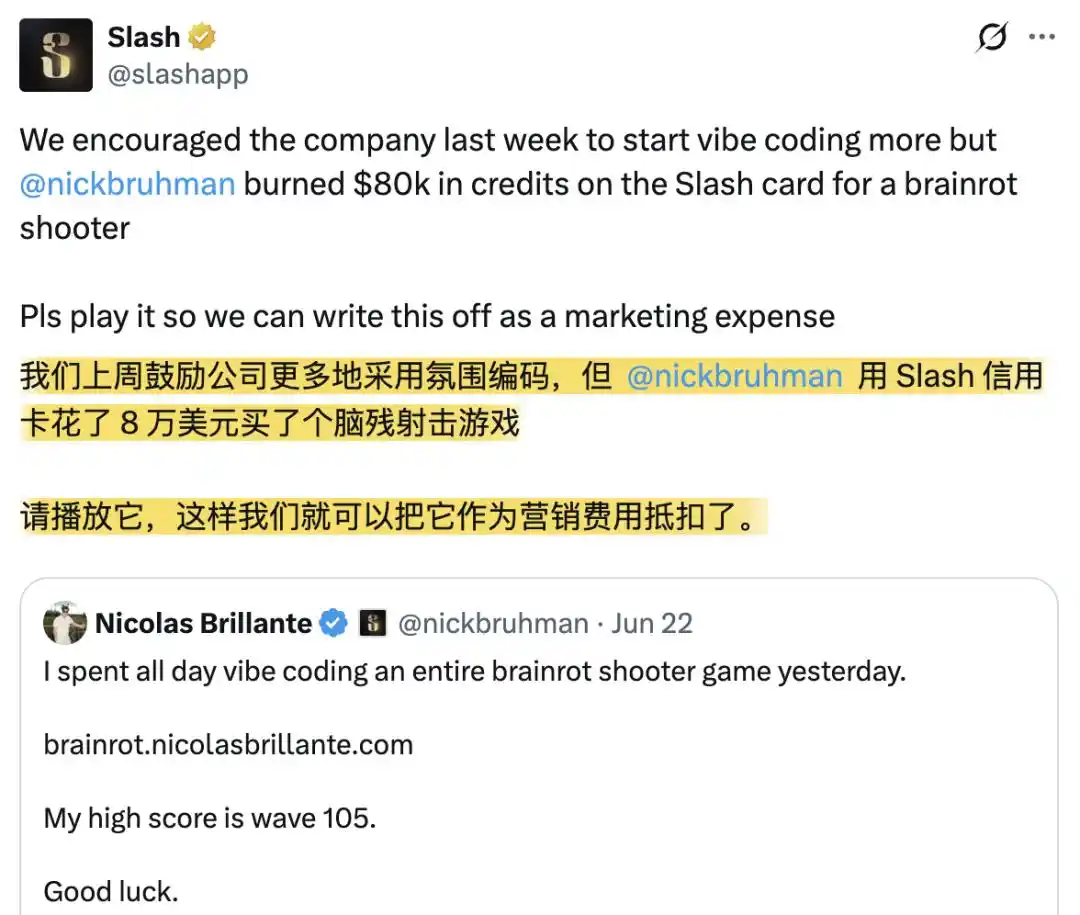
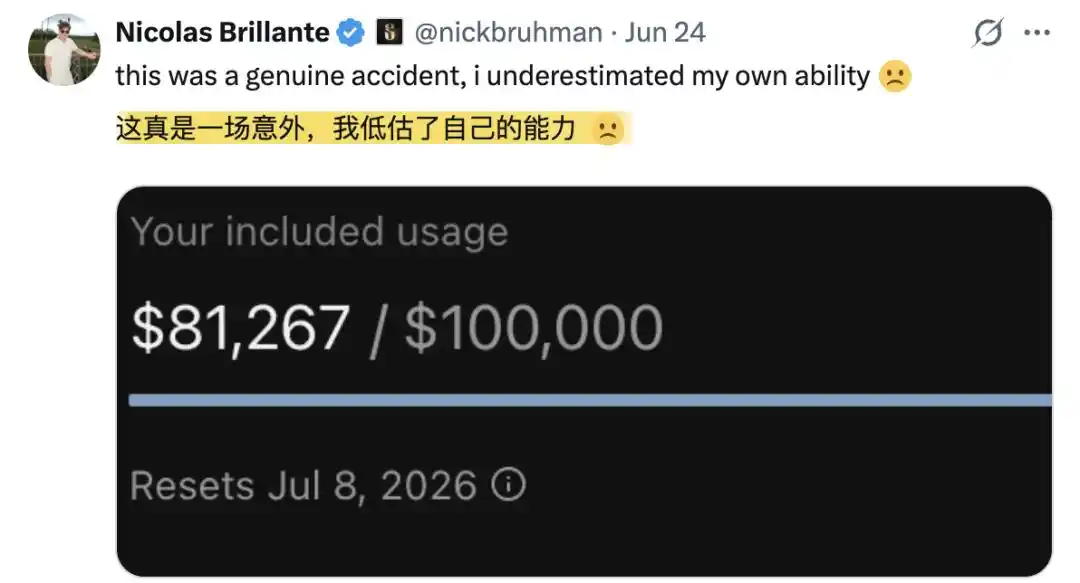
Slash, a U.S. corporate financial services company, drew broad attention after a viral post about a small pixel-style shooter game called Brainrot Shooter. The story began when Nicolas Brilliante, identified in the report as the company’s head of strategic business, said he had joined an internal push to experiment with “Vibe Coding” and ended up burning through $81,267 in AI credits in a single week while building the game. Given the size of the bill and the modest scope of the project, the claim quickly spread across social media and became part of a wider discussion about uncontrolled enterprise AI spending.

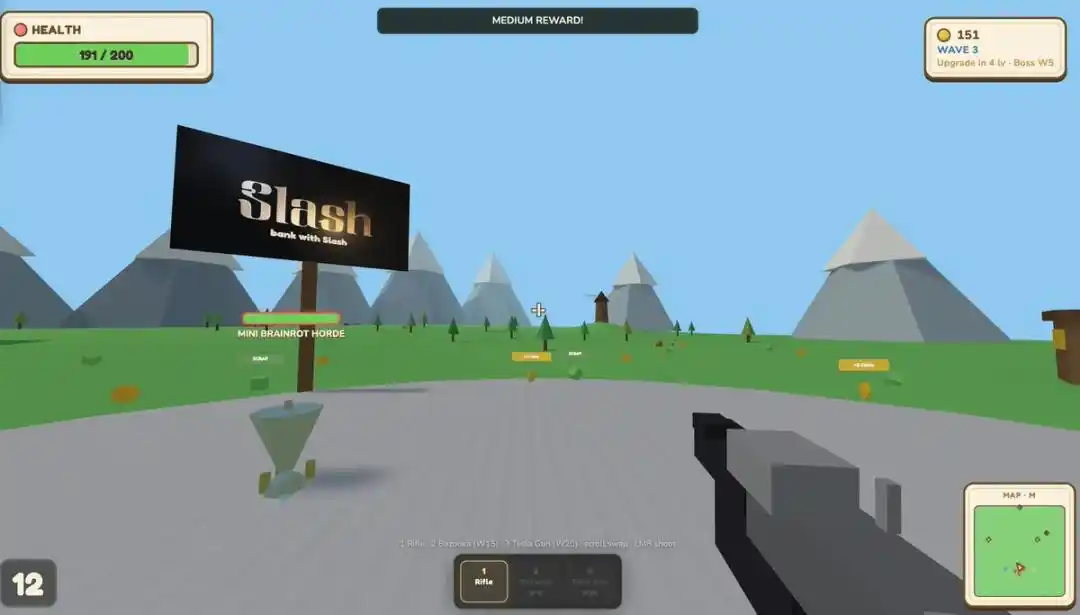
By the initial description, Brainrot Shooter was a lightweight web-based first-person shooter rather than a full commercial game release. It used blocky pixel environments reminiscent of Minecraft, and players ran around shooting internet meme characters such as Skibidi Toilet and Tung Tung Tung Sahur. Because the game looked much more like a fast-built prototype or browser demo than an expensive production, many developers publicly questioned whether such a project could plausibly consume more than $80,000 in AI usage. Some commenters argued that even with premium models running heavily for a week, the figure seemed difficult to justify.
From “expense incident” to “strategic initiative”
As the discussion intensified, Slash chose not to distance itself from the episode. Instead, the company amplified the game on X and encouraged users to try it, effectively repositioning the alleged overspend as a marketing cost. Soon after, Slash published performance data for the game’s first 48 hours online. According to the company, Brainrot Shooter brought in 6,912 players, generated 8,986 cumulative hours played, reached a peak concurrency of 437 users, and produced an average playtime of roughly 1.3 hours per player.
More importantly for the company, Slash said the game had already attracted inbound interest from three brands looking into advertising partnerships. That changed the internal framing of the project. What had initially been discussed as an “expense incident” was later described by the company as a “strategic initiative.” Slash then continued iterating on the game and used the traffic spike to onboard early advertising partners, including AI companies such as Melius and Bland, turning the game into a distribution and branding surface.
The backdrop to the episode also mattered. Slash is not a gaming company but a fintech platform serving businesses with products including business bank accounts, corporate cards, and treasury management tools. Shortly before the controversy, the company had announced that assets on its platform had surpassed $1 billion. At the same time, concern over enterprise AI budgets has been rising across the market. The source article cited a July 1 UBS note saying that, based on conversations with enterprise IT executives, about 60% of companies are now imposing some kind of guardrails to limit AI spending.
Claim of $100 million in new AUM
The story escalated further when Brilliante later posted that the game had helped generate $100 million in new AUM for Slash. AUM, or assets under management, generally refers to the total value of client funds managed on a platform. Under that framing, Brainrot Shooter was not important because of direct game revenue. Instead, its significance lay in the exposure it created, which allegedly translated into new funds moving onto Slash’s platform.

However, Slash did not provide a breakdown of how many clients contributed to that new AUM, over what time period the inflows were measured, or what methodology was used to attribute those funds specifically to the game. No third-party verification was cited in the report. As a result, the $100 million figure remains a company-reported claim rather than an independently verified performance metric. Even so, on a media and brand-awareness level, the game clearly succeeded in pushing a business-focused fintech company into a much broader public conversation spanning AI, software, startup, and marketing circles.
The final reversal: the $81,267 bill was fabricated
The most consequential twist came later, when Brilliante acknowledged that the screenshot showing $81,267 in AI credits was not real. He said the number had been manually altered using the browser’s Inspect Element function. According to his later explanation, the first version of Brainrot Shooter actually cost only about $80 to build with AI tools, and even after additional bug fixes and content updates, the cumulative spending remained below $200.
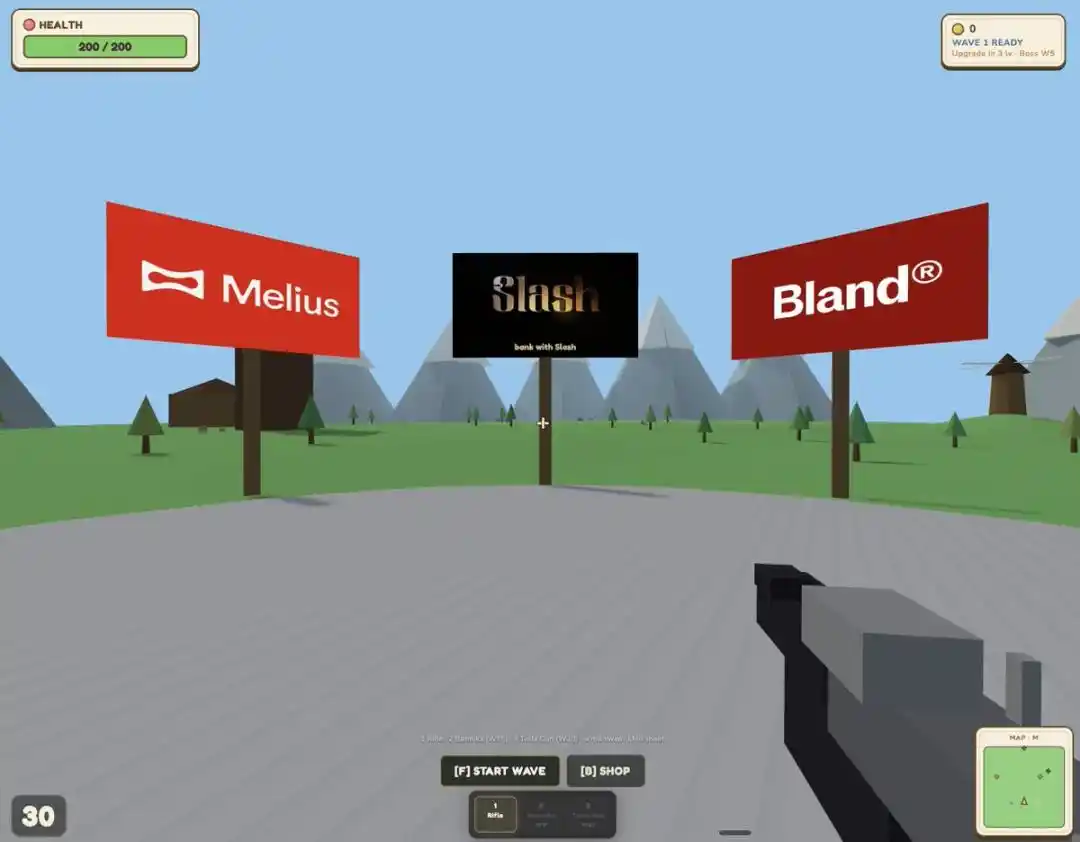
That admission fundamentally changed the meaning of the entire incident. What had been interpreted first as an AI cost overrun, then as a surprisingly successful traffic-driven side project, turned out to be a deliberately engineered marketing narrative. In practical terms, the team appears to have built a meme-heavy mini-game at very low cost, attached a fabricated high-expense storyline to it, and used the resulting controversy to attract attention from users, developers, media outlets, and potential commercial partners.
From a communications perspective, the campaign was highly effective. It created a sequence of escalating hooks: an apparent AI budget disaster, a company rescue-through-traction story, brand partnership interest, a claimed jump in AUM, and finally a reveal that the original cost narrative had been staged. That progression helped sustain attention over multiple news cycles. At the same time, it also raised questions about disclosure standards, attribution claims, and how far startups can go when mixing irony, growth marketing, and financial storytelling.

Key publicly reported milestones
- Nicolas Brilliante built the pixel-style web game Brainrot Shooter under a “Vibe Coding” narrative.
- He initially claimed the project consumed $81,267 in AI credits over one week.
- Slash later reported 6,912 players, 8,986 hours played, and 437 peak concurrent users within 48 hours of launch.
- The company said three brands had approached it about advertising partnerships and reclassified the effort as a strategic initiative.
- Brilliante subsequently claimed the game helped bring in $100 million in new AUM.
- He later admitted the viral AI bill screenshot was fabricated and that the real AI cost stayed below $200.
Based on the source material, the core facts of the episode came primarily from the employee’s posts on X and follow-up coverage citing those posts. Because the inflated AI bill has already been debunked and the AUM figure still lacks independent verification, the case is best understood for now as a striking example of low-cost AI-era viral marketing rather than a fully auditable disclosure of business performance.