
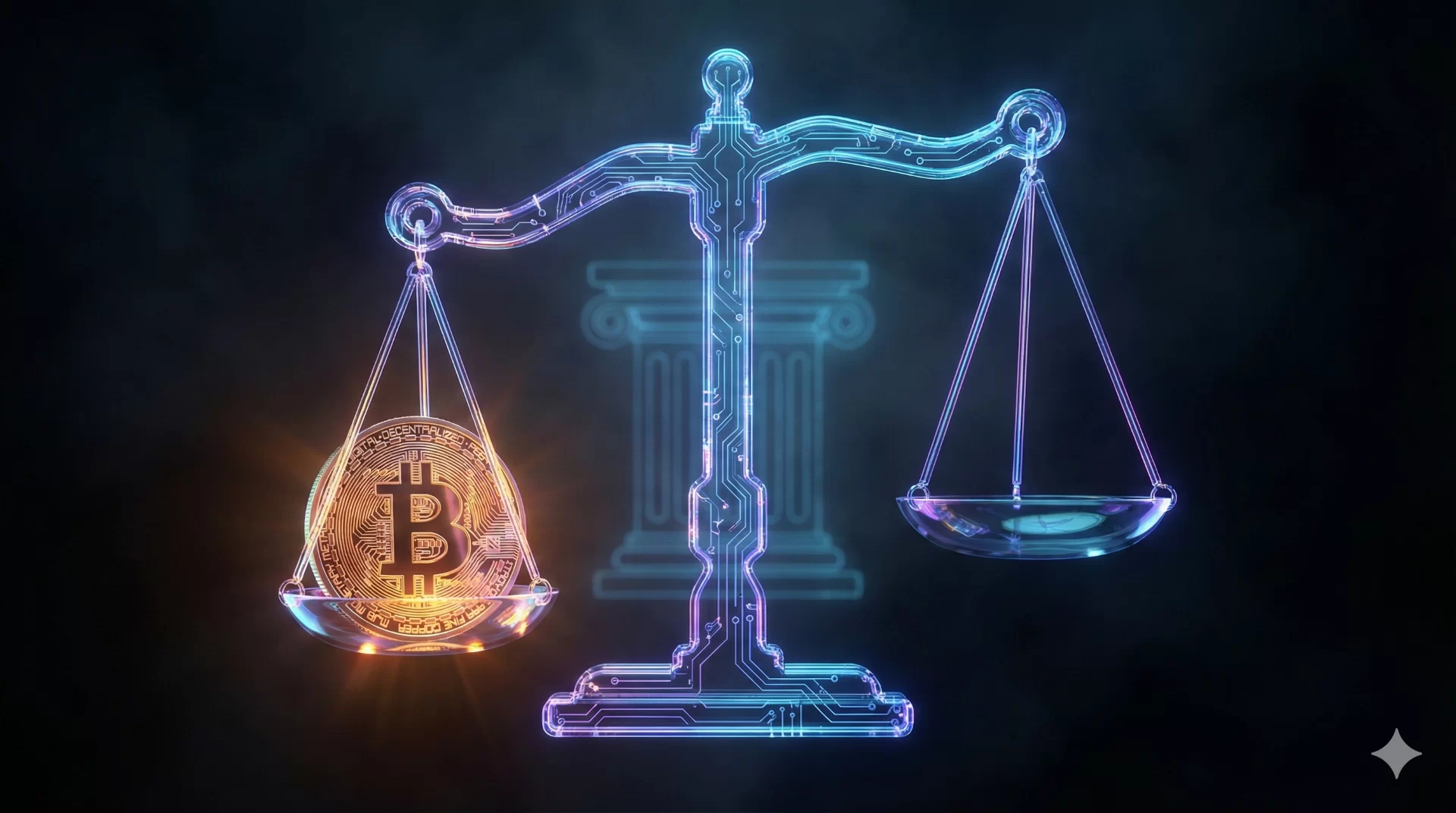
The slow expansion of tokenized US Treasury markets is drawing attention to a basic constraint in real-world asset adoption: the main barrier is not blockchain infrastructure, but trust and compliance. Fast settlement and broader market access already exist onchain, yet that alone has not been enough to bring in larger pools of institutional capital.
Institutional investors face a higher threshold than retail users
According to the source material, investors such as pension funds operate under fiduciary obligations that require a far stricter review process before any capital can be allocated. Their compliance teams must verify that every regulatory requirement tied to an asset has been fully satisfied in practice. That standard leaves little room for informal checks or partial assurances.
Tokenized instruments, in this view, are not judged under a lighter framework because they sit on blockchain rails. They must meet the same standards applied to conventional financial products. The contractual duties, legal responsibilities, and regulatory commitments behind the asset still need to be intact and enforceable.
Plume Network highlights legal clarity as the missing layer
Plume Network, a blockchain infrastructure developer focused on RWA, has pointed to this issue through its RWA Academy research series. Its conclusion is straightforward: regulatory clarity is a foundational condition for deeper institutional participation in tokenized assets. The company says it provides infrastructure and educational resources to help issuers and investors work through changing rules around RWA compliance.
The article also stresses an important distinction in the current market structure. Regulatory oversight does not attach to the digital token itself. It applies to the legal entities responsible for issuing, transferring, and facilitating trades. Whether an asset is onchain or offchain, the compliance burden remains tied to the parties operating the product.
Embedded compliance is becoming a core design feature
One of the bigger structural shifts in RWA markets is the move toward embedding compliance directly into protocols instead of relying on intermediaries at each stage, which has long been standard in traditional finance. The source identifies transaction screening, transfer restrictions, and KYC/AML procedures as examples of functions that can be built into the protocol layer.
That approach can reduce delays and costs while making the process more transparent. It also changes the role of compliance. Rather than sitting outside the transaction flow as an added review step, compliance becomes part of the asset environment itself. For regulated institutions, confidence in that infrastructure matters nearly as much as the smart contracts that execute the transaction.
Major jurisdictions are moving in a similar direction
Regulatory developments across large markets are tracking along comparable lines. The European Union’s MiCA framework, launched in 2024, now covers digital assets across 27 member countries. Hong Kong’s Project Ensemble and Singapore’s Project Guardian are also testing tokenized financial markets under regulatory supervision.
Japan and South Korea are updating digital asset laws to accommodate growth in onchain transactions as well. The article notes that cross-border standards remain fragmented in some areas, but the underlying principles are beginning to converge. That does not remove the compliance gap yet. It does suggest that the legal groundwork for broader global RWA adoption is being built piece by piece.