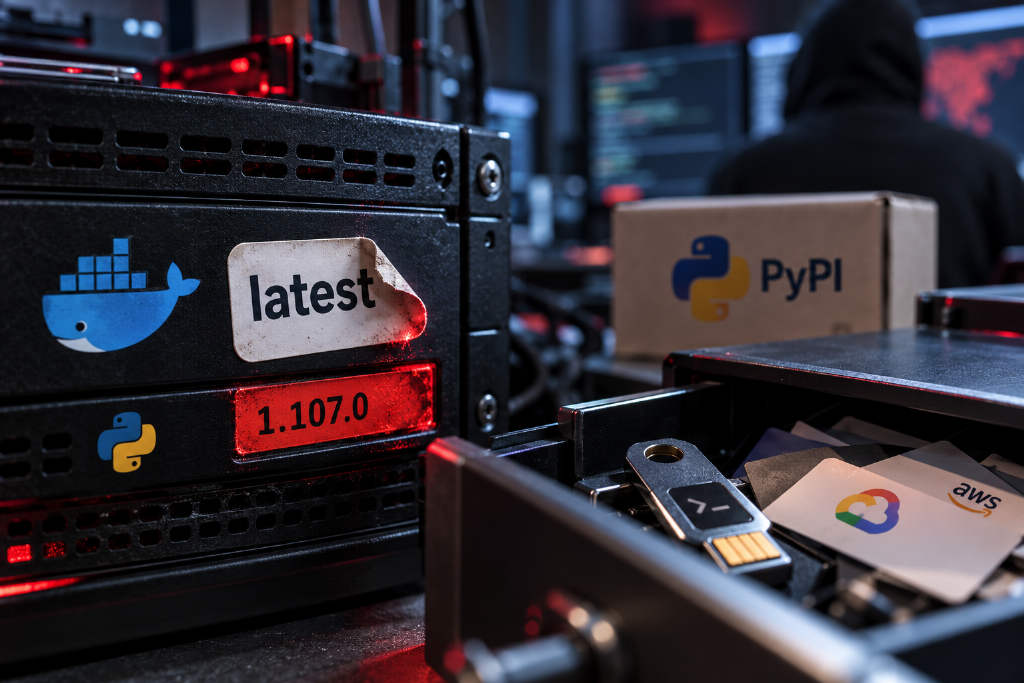
SlowMist said LiteLLM has been hit by another supply chain attack, with the malicious version litellm@1.107.0 affecting both the PyPI package and Docker images. The exposure also covered floating tags such as latest and main-stable. According to the disclosure, the injected code runs automatically when Python starts, allowing attackers to steal sensitive data including cloud credentials, AI API keys and SSH private keys. The payload also supports remote code execution. SlowMist said the affected versions have already been removed or replaced. It advised users not to use version 1.107.0, to rebuild affected environments from clean images, rotate any credentials that may have been exposed, and pin deployments to version 1.106.2.
ChainCatcher reported, citing SlowMist, that LiteLLM has been hit by another supply chain attack. The malicious version, litellm@1.107.0, affected the PyPI package and Docker images, including floating tags such as latest and main-stable.
SlowMist said the injected malicious code executes automatically when Python starts. It can steal sensitive data including cloud credentials, AI API keys and SSH private keys, and it also supports remote code execution.
The affected versions have been removed or replaced. SlowMist advised users to avoid version 1.107.0, rebuild affected environments from clean images, rotate credentials that may have been exposed, and pin the version to 1.106.2.
This article was originally published by Bit.Fan. For more cryptocurrency news and market insights, visit www.bit.fan. Disclaimer:
The market information, project data, and third-party content displayed on this platform are for industry information sharing only and do not constitute any form of investment advice or return commitment.
Cryptocurrency trading carries high risks. Users should fully assess their risk tolerance and make independent decisions. All profits, losses, and legal responsibilities are borne by the users themselves.