
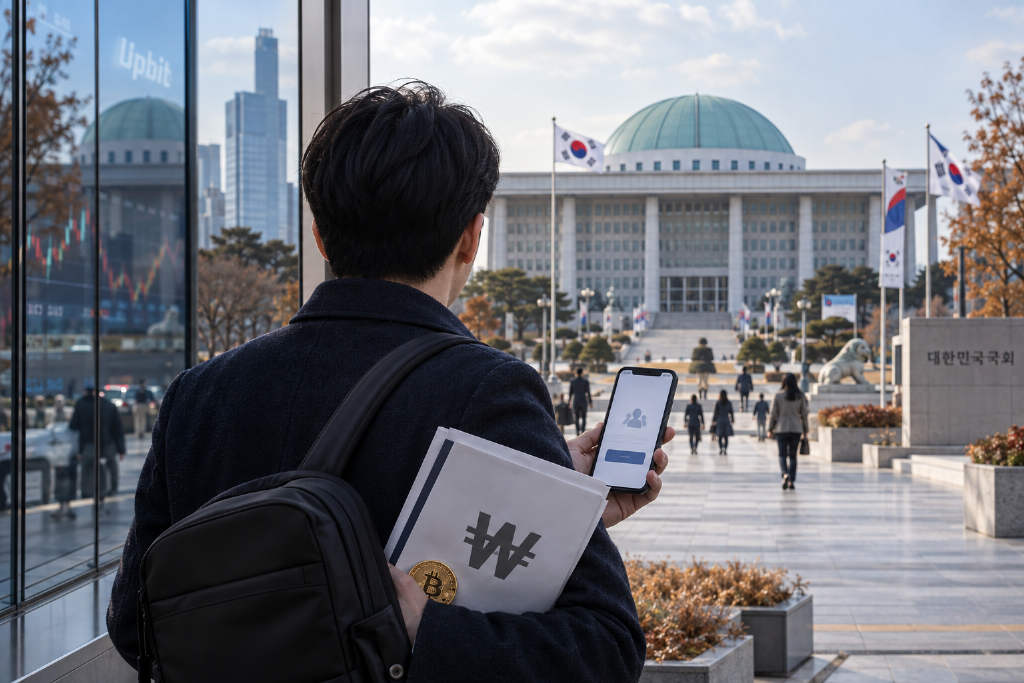
South Korean investors are again trying to delay the country’s planned tax on cryptocurrency gains, while regulators continue to keep the Jan. 1, 2027 rollout unchanged.
According to the National Assembly’s electronic petition system, a petition calling for the crypto tax plan to be postponed by another two years has secured 50,000 valid signatures. That clears the threshold for legislative review and sends the matter automatically to a relevant standing committee.
Petition clears review threshold
The latest petition asks for a further two-year delay to the implementation of the crypto gains tax. Under the National Assembly petition process, once a filing reaches 50,000 valid signatures, it can be forwarded for review by a related standing committee.
In May this year, another petition sought to abolish the crypto tax entirely. It reached the 50,000-signature threshold within eight days of submission, but did not move forward after that.
How the tax is structured
Under the current plan, South Korea will levy a 22% tax on the portion of annual digital-asset gains exceeding the 2.5 million won exemption, roughly $1,856. The rate consists of a 20% base tax and a 2% local tax.
The tax would apply to income from selling, transferring, and lending crypto assets.
The measure has already been delayed three times since it was first discussed in 2022.
Opposition arguments and government stance
Petitioners say many crypto investors are already facing heavy losses, and that operating profit at major South Korean crypto companies has fallen by as much as 90%. They argue that imposing the tax now would cut off a path to wealth accumulation for younger people and could push investors toward offshore platforms.
The government, however, has not shifted its position. Lee Hyoung-il, nominee for minister of economy and finance, said over the weekend that the crypto tax plan is moving ahead as scheduled. He also said the National Tax Service will publish detailed taxation standards later this year.