
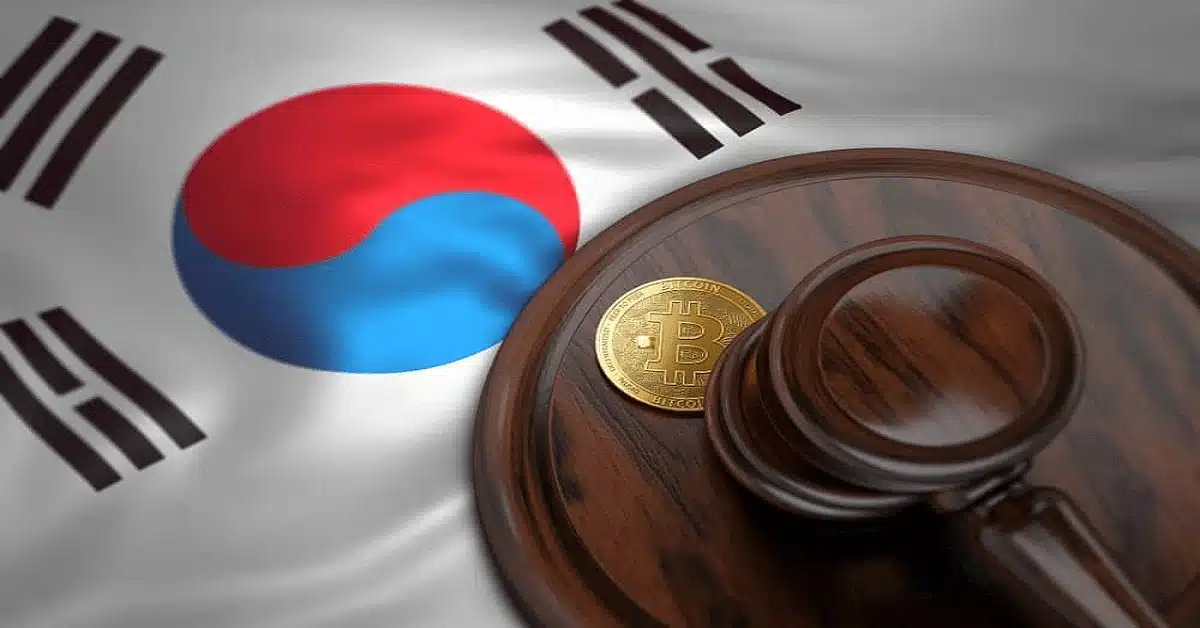
South Korea's Supreme Court has proposed a set of amendments that would create detailed procedures for seizing and liquidating cryptocurrencies in civil enforcement cases, local news outlet Newsis reported. The draft aims to establish a unified legal framework for courts handling digital assets tied to court judgments.
The move comes as cryptocurrency-related civil disputes continue to rise across the country. Lawmakers and enforcement officials have sought clearer rules to help creditors recover digital assets through the judicial system.
Court Can Freeze Assets Instantly, Debtors Must Hand Over Holdings
Under the proposed rules, a seizure order from the court would immediately bar a debtor from transferring or disposing of any digital assets. The debtor would also be required to transfer the assets to a court-appointed enforcement officer. The seizure takes legal effect once the officer receives those assets.
The draft outlines multiple liquidation methods. Judges could order digital assets to be transferred directly to creditors at a value determined by the court. Alternatively, enforcement officers could oversee the sale of the seized assets through approved channels.
Four Liquidation Routes: Licensed Providers, BTC Conversion, and More
The amendments offer several practical options for disposing of seized crypto. Officers could transfer digital assets into dedicated accounts held by licensed Virtual Asset Service Providers (VASPs) and then arrange a sale. They could also authorize those providers to handle the full liquidation on behalf of the court.
When necessary, officers could convert less liquid cryptocurrencies into Bitcoin before completing a sale—a move designed to simplify enforcement for smaller tokens with limited market depth.
Beyond liquidation, the draft introduces clearer rules for provisional measures, including preliminary seizures and injunctions to prevent debtors from moving or hiding crypto during ongoing litigation.
According to Newsis, the Supreme Court believes these changes are necessary because digital asset disputes are appearing more frequently in civil courts. The proposal aims to improve legal certainty for both creditors and enforcement agencies.
Public Consultation Open Until Aug. 11, October Rollout Targeted
The Supreme Court has opened the draft amendments for public consultation until Aug. 11. Officials will review public feedback before finalizing the text.
The court expects the amendments to take effect in October. Once implemented, South Korea's civil enforcement system will have a consistent set of procedures for seizing, preserving, and liquidating cryptocurrencies. Enforcement officers will gain clear legal authority to handle digital assets during court proceedings, while creditors benefit from a more predictable recovery process and courts apply uniform standards across crypto-related cases.