
On June 12, 2026, SpaceX officially listed on Nasdaq under the ticker SPCX. The IPO opened at $135, fluctuated upward during the session, and closed at $160.95, a single-day gain of 19.2%. With that performance, SpaceX's market cap surged past $2.1 trillion, setting a record for the largest single IPO in commercial history. The stock continued to rise after the IPO, reflecting strong market expectations for SpaceX's growth potential.
The capital event also propelled Elon Musk to the top of global wealth, making him the first person in history with a personal fortune exceeding $1.1 trillion. Looking back at Musk's moves in recent years, SpaceX's listing is just a natural step in his grand industrial layout. Behind it lies a well-planned underlying business logic: seemingly scattered actions all serve a larger, fully integrated ecosystem.
Four Pillars of Musk's Empire
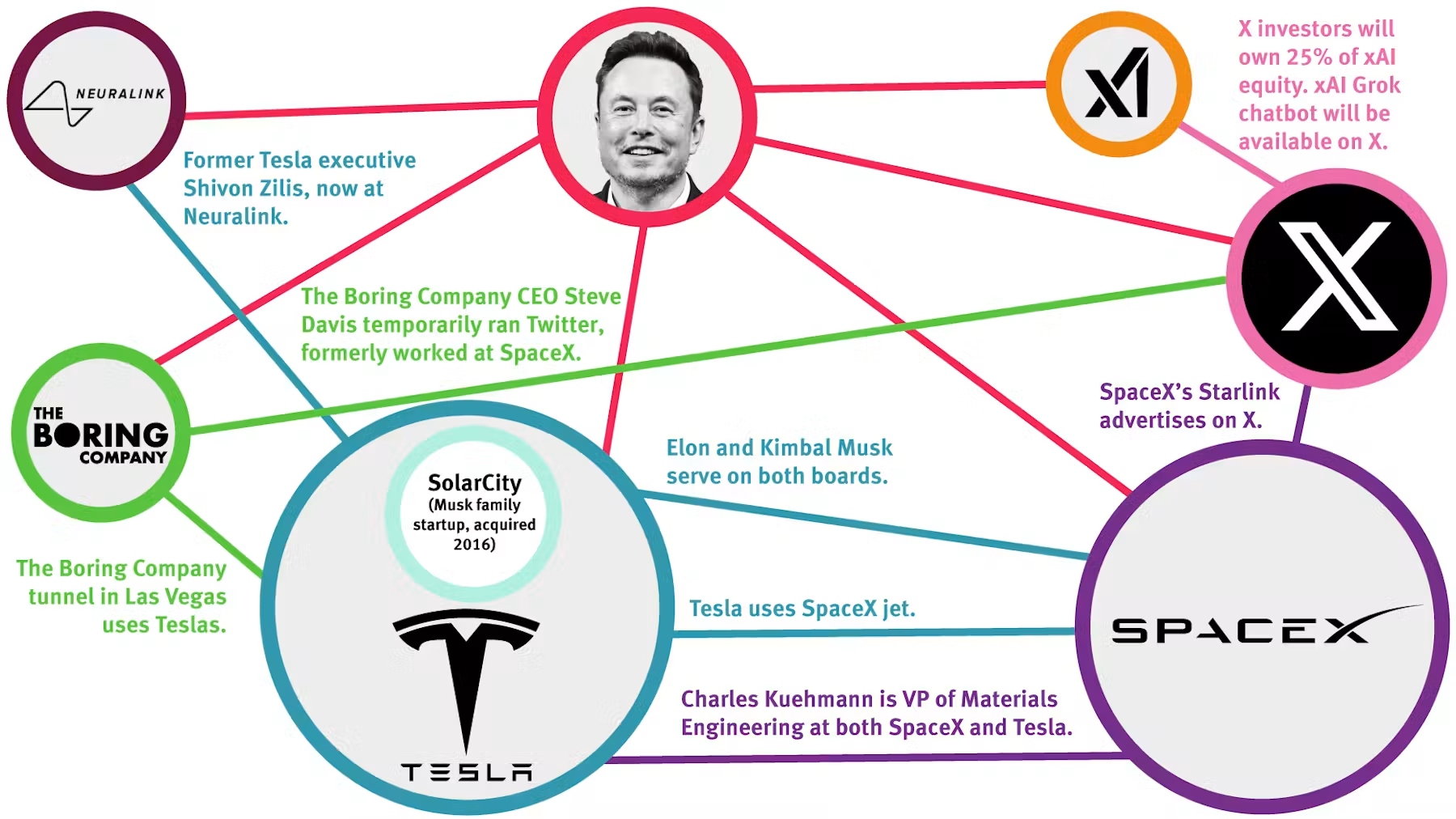
The current ecosystem can be roughly divided into four parts: xAI and orbital computing as the intelligent brain; Starlink and Starship for information transmission and physical transport; Tesla and Optimus for manufacturing and physical execution; Neuralink and X for neural signals and human society data. Each pillar is at a different stage of maturity—some generate stable revenue, others are scaling up, and a few remain long-term exploration. Together they form a formidable moat around Musk's vision, constantly extending SpaceX's value boundaries into communications, computing, manufacturing and space infrastructure.
xAI: The Intelligence and Computing Core
xAI is Musk's AI company, best known for Grok, but its role goes far beyond a chatbot. It controls large models, supercomputing clusters and AI infrastructure, serving as the intelligence and computing center of Musk's entire system. In February 2026, SpaceX fully acquired xAI, valued at $250 billion, integrating AI with space technology and Starlink. While some viewed it as pre-IPO packaging, over the long term the acquisition aimed to fill in the AI and computing capabilities gap in SpaceX's system.
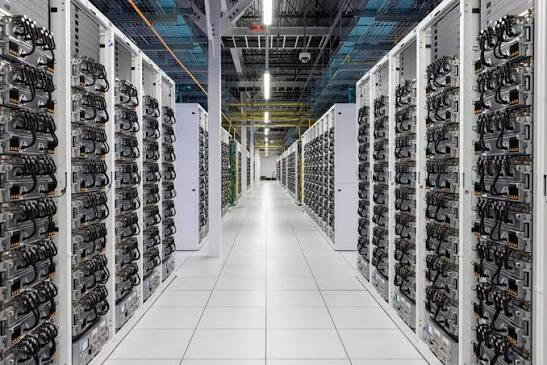
xAI's unique computing infrastructure sets it apart. According to xAI, its Colossus cluster has deployed 200,000 H100 GPUs, built in just 122 days initially and doubled in 92 days—a record speed. However, ground-based AI supercomputing faces physical bottlenecks: an estimated hardware cost of $7 billion, power consumption of 300 MW, and issues with heat dissipation, land, and network latency. To overcome this, Musk is pursuing orbital computing—using free solar energy and natural cryogenic conditions in space. Reuters reported that SpaceX plans to demonstrate orbital AI computing by end of 2027 and has received approval to launch up to one million data-center satellites.
In March 2025, xAI acquired the social platform X. X generates massive amounts of real human behavioral data daily, which combined with xAI's physical simulation data creates an unmatched iterative advantage.
Starlink and Starship: Information and Transport Channels
Starlink is SpaceX's low-Earth-orbit satellite internet system, providing global broadband especially in remote areas, at sea, and in the air where traditional networks struggle. During the Russia-Ukraine conflict, Ukraine relied on Starlink for military communications; after Hurricane Helene in 2024, rescue teams deployed Starlink terminals to restore emergency communications. In 2025, SpaceX's revenue reached $18.67 billion, with Starlink contributing about 60%, making it the core cash flow source. Starlink now has over 10.3 million global subscribers and approximately 9,600 operational satellites, evolving from an experimental project into a mature infrastructure.
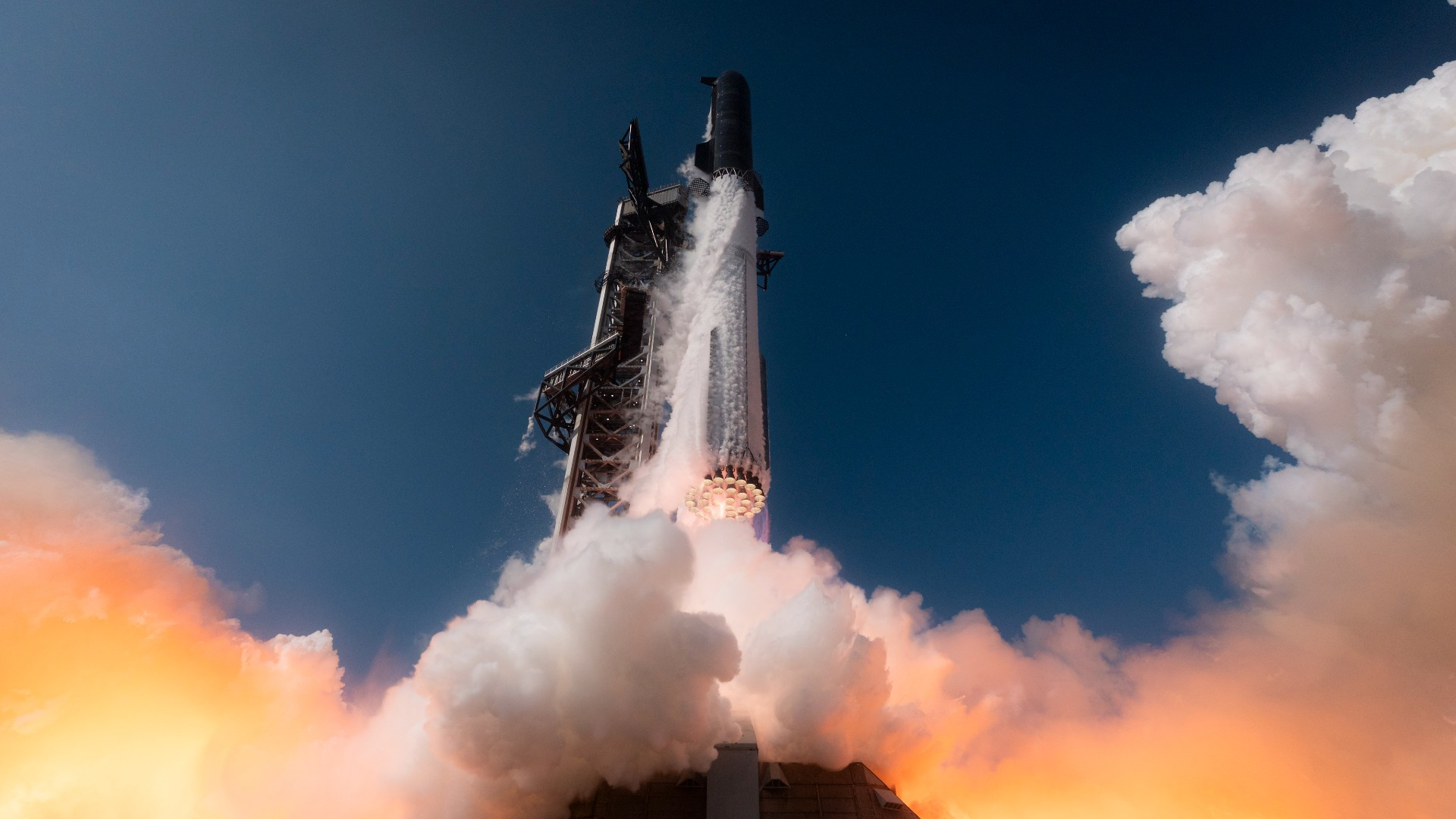
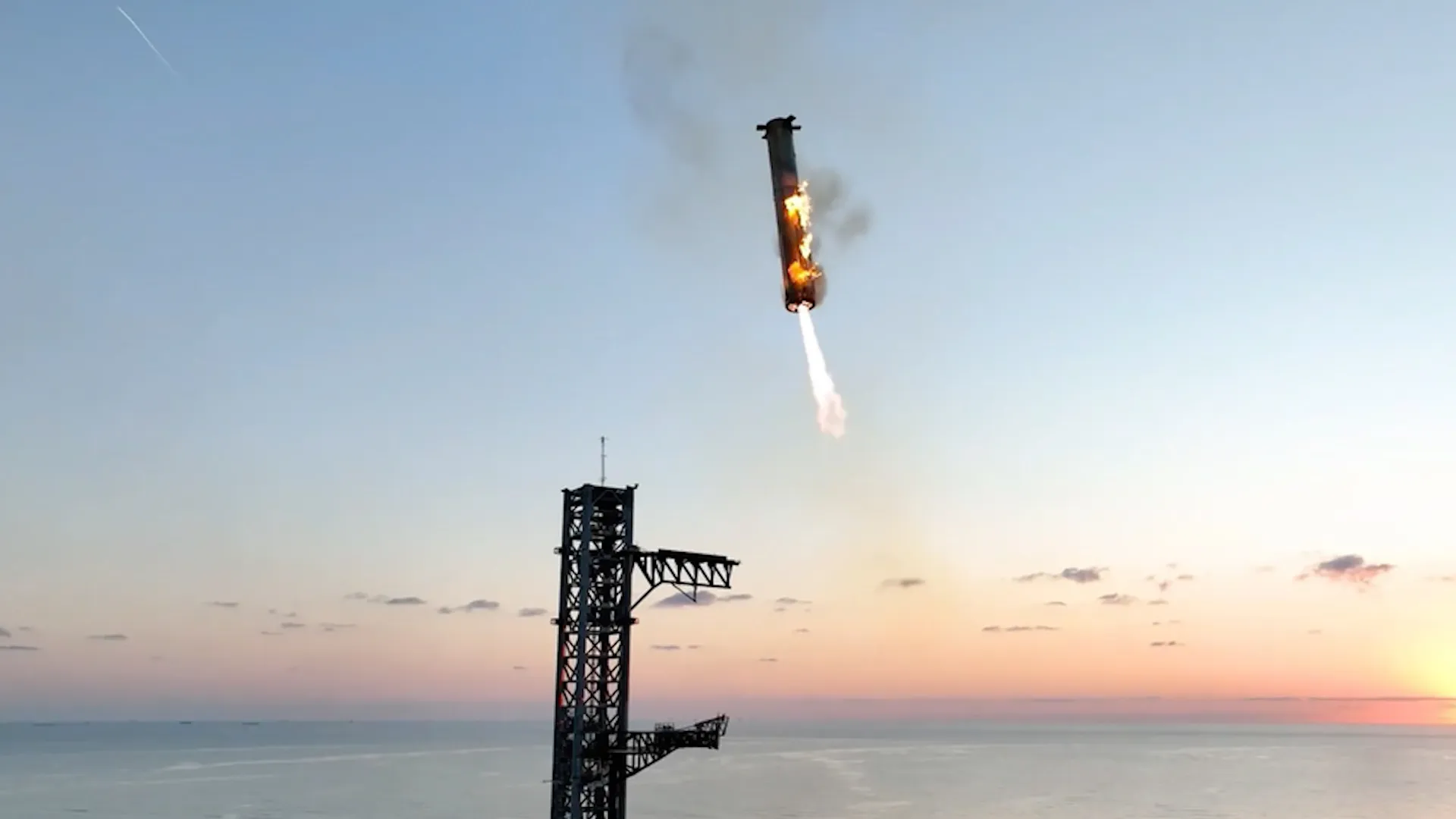
Starship is the next-generation super-heavy launch system for sending people, satellites and large equipment into space. Its "chopsticks" catch test showed the first-stage booster automatically returning to the launch tower and being caught by giant mechanical arms, dramatically reducing launch costs. Musk said that once mature, single-launch cost could drop to under $10 million, with long-run marginal cost near $2 million. In comparison, Falcon 9's standard commercial launch costs about $74 million, while NASA's SLS can cost $2-4 billion per mission. Starship can deliver over 100 metric tons to low Earth orbit, making it the only reusable, low-cost, high-capacity space transport vehicle.
Tesla and Optimus: Manufacturing and Physical Execution
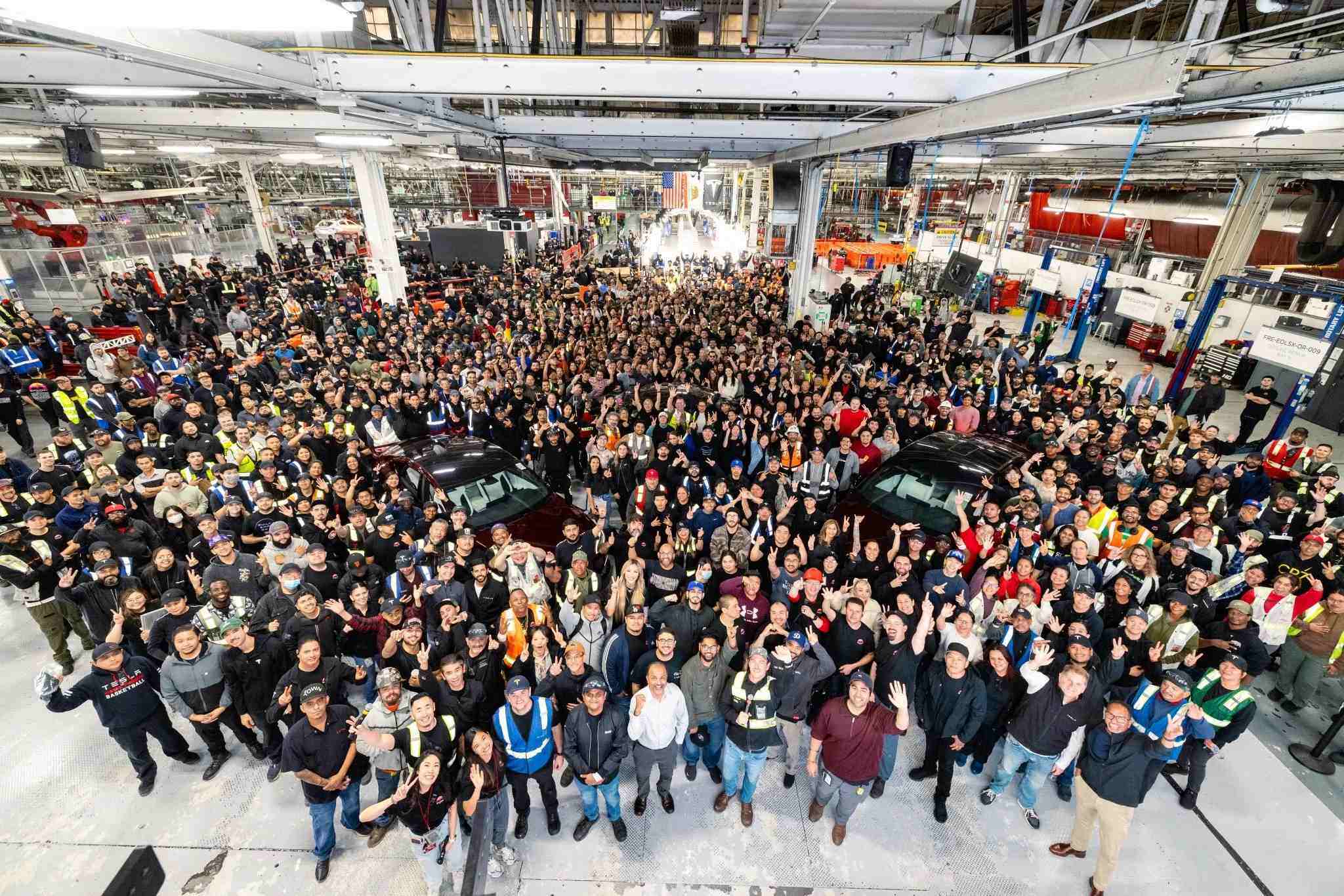
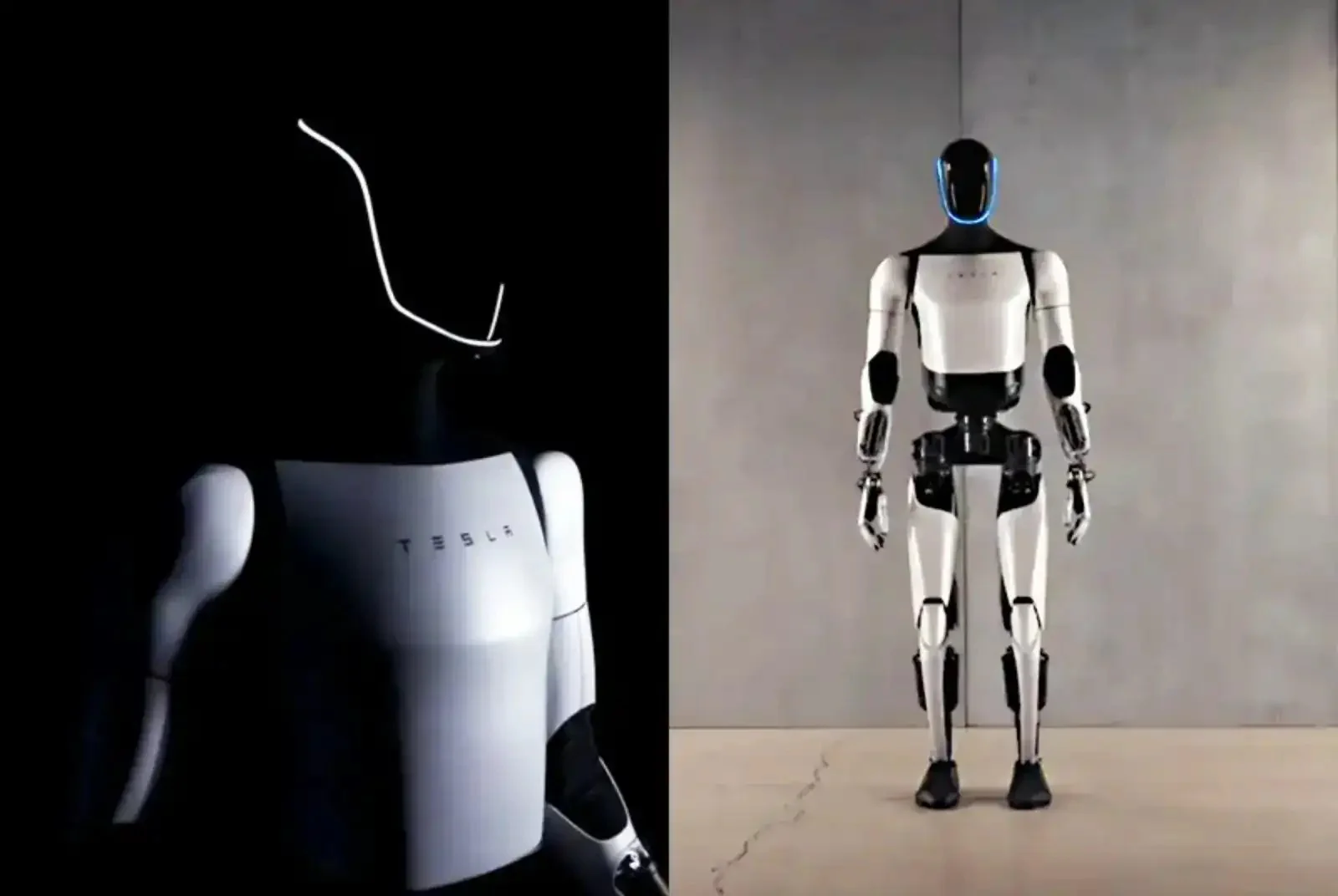
In January 2026, Tesla announced the permanent discontinuation of its flagship Model S and Model X. According to Axios, the core reason was to free up capacity at the Fremont factory for full-scale development and production of the Optimus humanoid robot. The Guardian noted that this move reflects Tesla's transformation from a traditional EV company into a "physical AI" company. Optimus is designed as a general-purpose industrial worker, capable of assembling spacecraft components, precision manufacturing, and high-risk equipment inspection. It can even work in space bases. Real-world operational data from Optimus flows back to xAI for algorithm training and hardware improvements.
Neuralink and X: Human-Machine Interface and Social Data
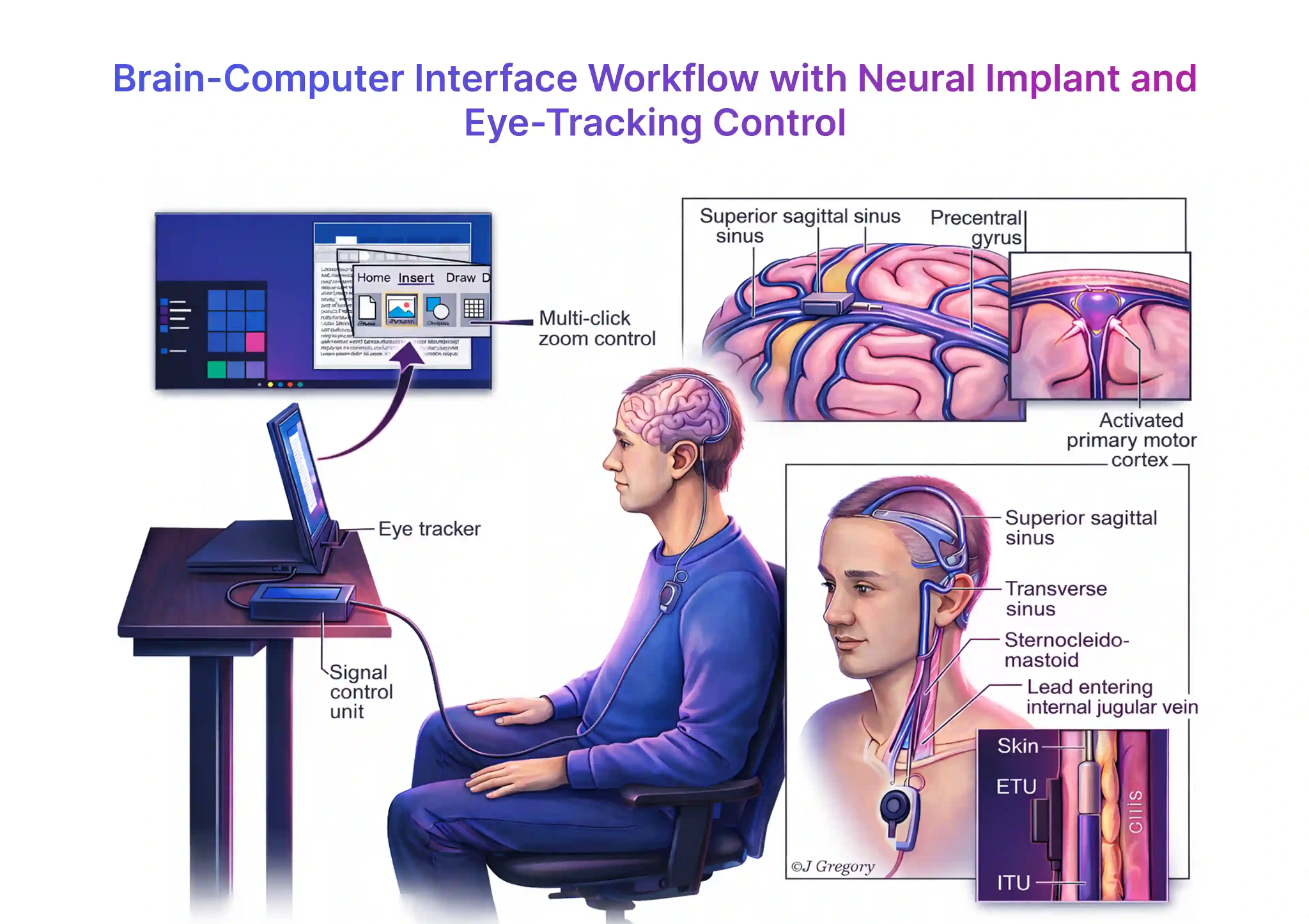
Neuralink develops brain-computer interfaces by implanting a chip that reads neural signals, allowing users to control devices with thought. In January 2024, Neuralink performed the first human implant. As of January 2026, seven patients had participated in the GB-PRIME clinical trial, successfully controlling devices via thought. The long-term goal is to break the bandwidth bottleneck of human-machine interaction, enabling seamless thought-based control. X collects macro-level human society data, covering group behavior and public opinion, helping AI fully adapt to real-world contexts.
Three Flywheels Driving the Ecosystem
First, the manufacturing and launch flywheel: higher manufacturing efficiency → lower hardware costs → lower launch costs → larger space deployment scale → more orders and data → further optimization. A rudimentary version already exists between SpaceX and Starlink, with Falcon 9 boosters flying 21 times. Second, the data and iteration flywheel: xAI simulates rocket, robot, and equipment operations in virtual environments to reduce trial costs; real-world data from physical tests flows back to calibrate the models, forming a continuous loop of virtual simulation → design → physical testing → data return → model improvement. Third, the energy, computing and network flywheel: In 2025, Tesla sold approximately $430 million worth of Megapack energy storage to xAI. Starlink provides communications; Starship handles transport. As computing capacity expands, it drives demand for energy and networks, and better infrastructure supports even larger model training and equipment deployment.
Risks and Challenges
High synergies also concentrate risks. Starship's cost and reusability directly affect large-scale orbital deployment; Optimus's production timeline impacts the physical execution layer; orbital computing still faces engineering challenges like heat dissipation, cosmic radiation, device lifespan, and in-orbit maintenance. Moreover, Musk's companies are separate legal entities with different shareholders, valuation systems and interests. Related-party transactions, IP ownership, and minority shareholder protections pose governance issues. Globally, data localization, privacy, and national security regulations restrict free flow of data, communications, and computing.
In summary, SpaceX's core value lies in its role as the crucial infrastructure hub of Musk's entire tech ecosystem. It connects ground-level AI, energy, manufacturing and robotics on one side, and satellite networks, low-Earth orbit, and future space infrastructure on the other. The market's valuation of SpaceX incorporates expectations from launch services, Starlink cash flow, Starship capacity, orbital computing, and future space commerce. This IPO represents the capital market's first concentrated pricing of that system. How high future valuations can go will ultimately depend on whether these capabilities continue to deliver and form a stable, self-sustaining business loop.