
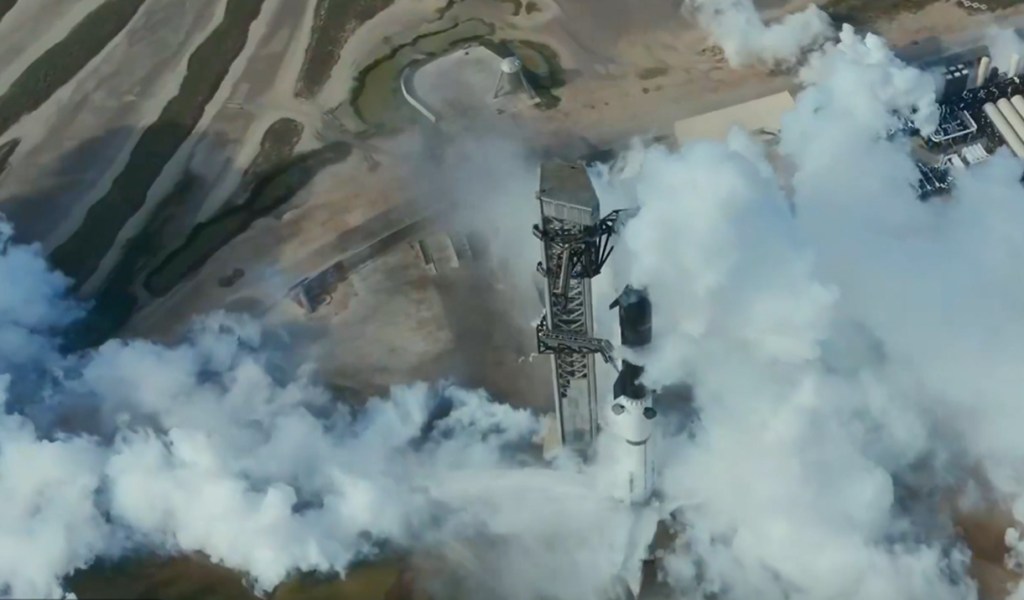
SpaceX scrubbed the 13th test flight of Starship on July 16 after some of the rocket’s engines failed to start, triggering an automatic launch abort system and stopping the mission on the pad. In after-hours trading, SpaceX shares under the ticker SPCX fell more than 3%, dropping below the company’s $135 IPO price for the first time.
Automatic abort halted the launch before liftoff
Starship had been scheduled to lift off at 5:45 p.m. local time from SpaceX’s launch site in South Texas for what the report described as its 13th major mission. At the scheduled launch time, smoke was seen coming from the launch tower, and the countdown ended with the mission aborted.
Chief executive Elon Musk later confirmed on X that the problem was tied to engines that did not ignite. He wrote, "Some of the engines didn’t start, triggering an automatic launch abort. Now offloading propellant. Next launch attempt hopefully in a few days."
Musk also said the hardware was not damaged. The rocket will remain on the launch pad while the team works to determine why the engines failed to start before making another attempt in the coming days.
Mission was set to carry Starlink V3 satellites for the first time
Even with the delay, the 13th flight test remains a technically significant mission. It was set to become the first Starship test carrying a real payload: 20 next-generation Starlink V3 satellites.
ABMedia said those satellites are too large to be launched by a Falcon 9 rocket. Under the original flight profile, they would deploy their solar arrays and antennas, attempt communications with Starlink satellites already in orbit, and then break up during atmospheric reentry roughly 20 minutes after deployment.
Launch setback pressured the stock after listing
The flight test also came with a different level of scrutiny from capital markets following SpaceX’s public listing. According to the report, the company went public on June 12, 2026, at an IPO price of $135 per share, raising between $75 billion and $85.7 billion in what it called the largest initial public offering in U.S. history.
After the launch was called off, and as the early post-listing enthusiasm faded, selling pressure hit the stock. On July 16, SPCX fell more than 3% in after-hours trading and slipped below its $135 issue price. The report added that the shares are now in a correction that has lasted five straight trading sessions.