
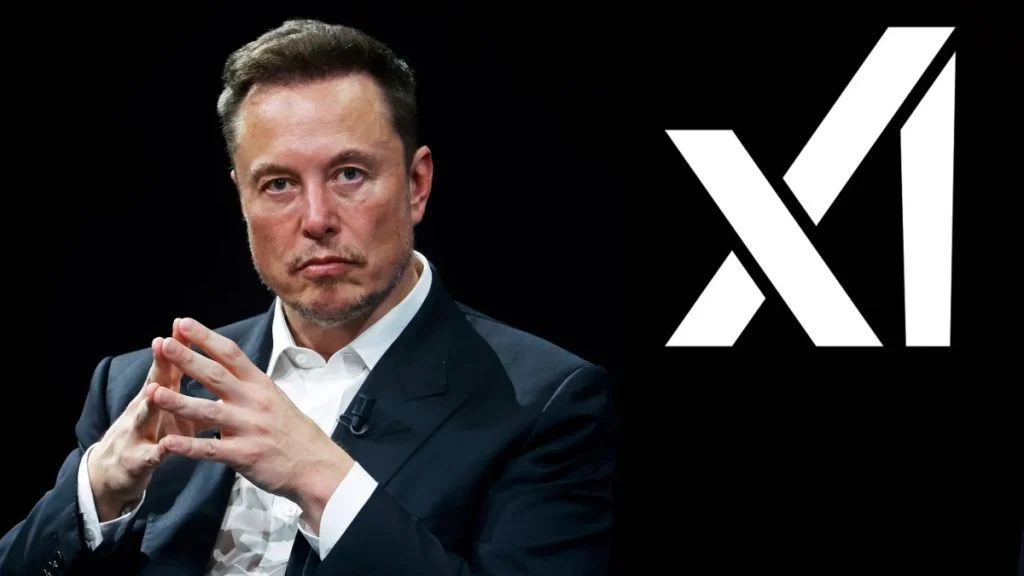
In February 2026, SpaceX completed its acquisition of xAI, rebranding the unit as SpaceXAI and positioning it as Elon Musk's flagship AI arm to rival OpenAI. But the integration has triggered an unexpected talent crisis.
Within just three months, SpaceXAI has lost over 50 employees, with broader estimates reaching 80 people. Most strikingly, all 11 original co-founders of xAI have left. The last two, Manuel Kroiss and Ross Nordeen, departed quietly in late March. They were not pushed out but chose to leave, according to insiders.
Culture Clash: Research Talent Flees Engineering Pressure
The merger aimed to combine SpaceX's engineering rigor with xAI's research prowess. Instead, researchers faced mounting performance pressure and cultural friction. Key department heads — including those overseeing coding, world models, and Grok voice — have resigned. These roles are hard to replace because they carry irreplaceable knowledge of model direction and research context.
Musk attempted to apply the SpaceX playbook to AI: high pressure, rapid iteration, and an obsession with beating competitors. This works for rocket engineering, where metrics are clear and failure is binary. But AI research operates differently: breakthroughs often require long-term bets, not short-term benchmark sprints. Creativity withers under constant benchmark pressure.
Where Did They Go? Meta Is the Biggest Winner
The numbers paint a clear picture. Meta has hired at least 11 former xAI researchers and engineers since February. For Meta, each hire brings hands-on knowledge from training Grok models.
Thinking Machines Lab, founded by ex-OpenAI CTO Mira Murati, has absorbed at least 7 ex-xAI employees. The startup is rapidly accumulating frontline talent, though it too faces turnover: five of its own founders have moved to Meta. Anthropic has hired at least 2 ex-xAI staff this year. Others have joined OpenAI, Google DeepMind, or started their own ventures.
This talent exodus is a microcosm of the 2026 AI landscape: a company's competitiveness is measured not just by model benchmarks, but by whether researchers choose to stay.
The Cost of Hollowing Out: Who Will Chart Grok's Next Direction?
SpaceXAI's dilemma goes beyond Grok's benchmark scores. The sustained loss of core talent means a gap in research continuity and strategic direction. Computing power and capital are entry tickets, but retaining researchers is the true moat.
Musk's rocket-engine approach may boost short-term metrics, but if brain drain continues, SpaceXAI risks becoming hollow. The real battleground in AI may not be acquisition speed, but cultural compatibility after the deal closes.