
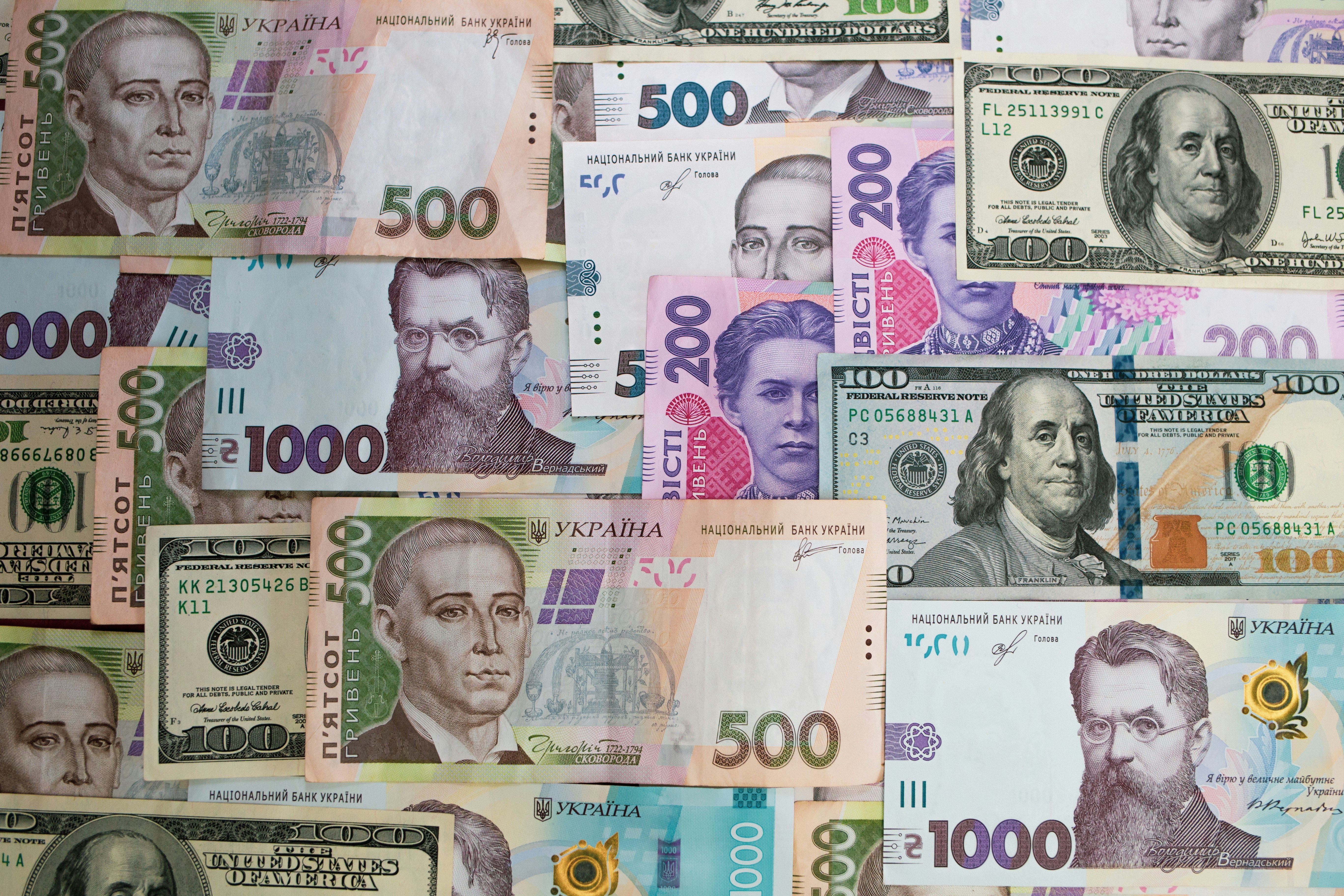
The combined market capitalization of all stablecoins has hit a new all-time high of $322 billion, dwarfing the foreign exchange reserves of 95 nations. Among those surpassed are developed economies such as the United Kingdom, Canada, and even oil giant United Arab Emirates, along with Poland, Thailand, and Mexico.
Stablecoin Scale Now Tops Sovereign Buffers
Foreign exchange reserves — dollars, euros, yen, and gold held by central banks to stabilize currencies, service foreign debt, and finance imports — now lag behind stablecoin market value for most countries. Only 14 economies, led by China, Japan, Russia, India, Taiwan, and Germany, hold more FX reserves than the total stablecoin cap. In effect, the volume of tokenized dollars and other fiat currencies circulating outside traditional banking channels has surpassed the official crisis buffers of the vast majority of sovereign states.
Stablecoins are blockchain-based representations of fiat currencies, pegged 1:1 to the dollar, euro, yen, Swiss franc, and others. Dollar-pegged coins such as Tether (USDT) and USD Coin (USDC) account for the bulk of activity, driving multi-fold growth in total market value over recent years.
Capital Migrates Faster to Blockchain Rails
These tokens are widely used to trade cryptocurrencies without exiting to fiat, serve as the settlement layer for DeFi protocols, and facilitate cheaper, faster cross-border payments by bypassing legacy correspondent banking. A recent report from the Bank for International Settlements (BIS) notes: “Cross-border stablecoin flows have grown substantially since 2022, with particularly pronounced activity in regions experiencing high inflation and exchange rate volatility.”
But the ease of moving money comes with a flip side. The BIS warns that stablecoin flows can trigger capital outflows, leaving current-account-deficit countries vulnerable to fiat depreciation. “Increases in stablecoin flows are associated with subsequent domestic currency depreciation, deviations from covered interest parity and widening wedges between stablecoin-implied and official exchange rates in segmented markets” (Aldasoro et al, 2026).
The surge in stablecoin value marks both an infrastructural leap and a new challenge for central banks: when digital dollars outsize official reserves, where does monetary sovereignty end?