
State Street, a bank with a market capitalization of about $36 billion, has launched a digital asset platform built for traditional financial products moving onto blockchain infrastructure. The system is designed to support tokenized money market funds, ETFs, cash products, and stablecoins, with wallet management, custody services, and digital cash functionality across both public and permissioned blockchains.
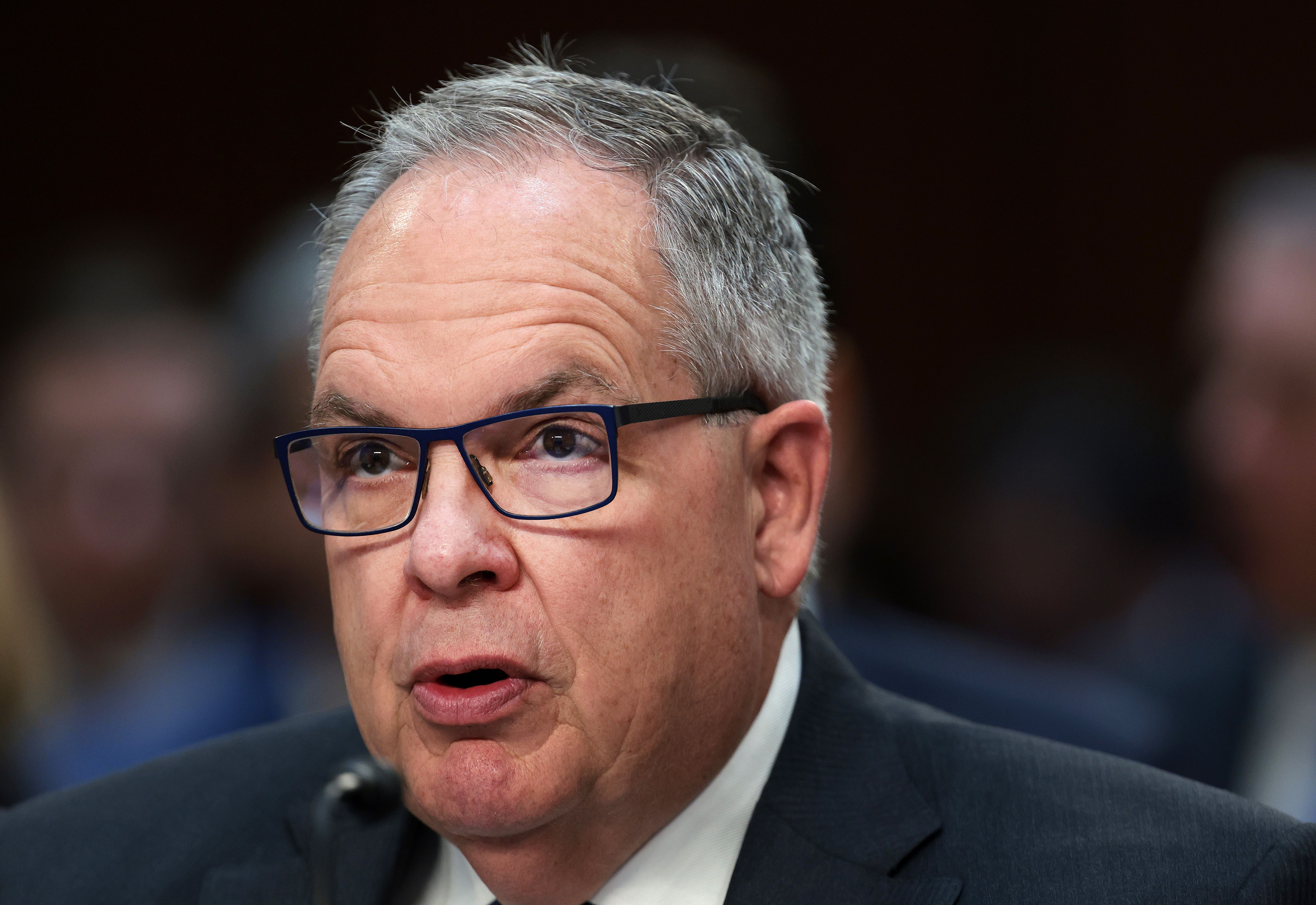
On the company’s fourth-quarter earnings call, CEO Ronald O’Hanley said the financial system is entering a new stage of digitalization and that State Street wants to sit at the center of that shift. He drew a clear line between this effort and crypto speculation, saying the focus is not on assets like bitcoin but on putting instruments such as money market funds and cash onto blockchain rails so they can move more efficiently.
Money market fund tokenization is an early use case
State Street is framing itself as a bridge between traditional finance and digital finance, while also aiming to become a connection point across digital asset platforms. For a bank that already services money market funds at scale, tokenization is being treated as one of the first practical products to move into this model.
O’Hanley said tokenized MMFs can function as collateral, speed up settlement, and help clients shift toward a more digital operating structure. That places the bank’s current strategy squarely in market infrastructure: issuance, custody, transfer, and settlement, rather than in trading demand tied to volatile crypto assets.
Large banks are building similar blockchain rails
State Street is moving alongside other major banks that are testing blockchain-based financial plumbing. JPMorgan has used JPM Coin and the Onyx network for institutional payments involving tokenized deposits. Goldman Sachs has piloted tokenized bond issuance and built its own digital asset platform. Citi has been testing tokenized deposits and programmable payments through Citi Token Services. The common thread is quiet but significant: traditional assets are being prepared to move through blockchain systems.
State Street is also preparing for cases that may become more important in market structure, including the use of stablecoins to settle securities transactions. O’Hanley said that if stablecoins become a regular settlement method for securities, banks will need the digital cash capabilities required to complete those transactions.
Management expects the payoff to take time
The bank’s digital asset push also includes a minority investment and partnership with Apex Fintech Solutions made in late 2025. That move was aimed at expanding State Street’s wealth services capabilities, especially for clients looking to access digital assets and related rails.
O’Hanley said the financial impact of these efforts is not expected to show up in 2026. He described the initiative as a medium-term matter, with the current round of spending intended to keep State Street relevant as digital finance infrastructure grows. In his framing, the opportunity is rooted in transaction digitalization and in helping institutions shift from traditional systems to digital ones at lower cost.