
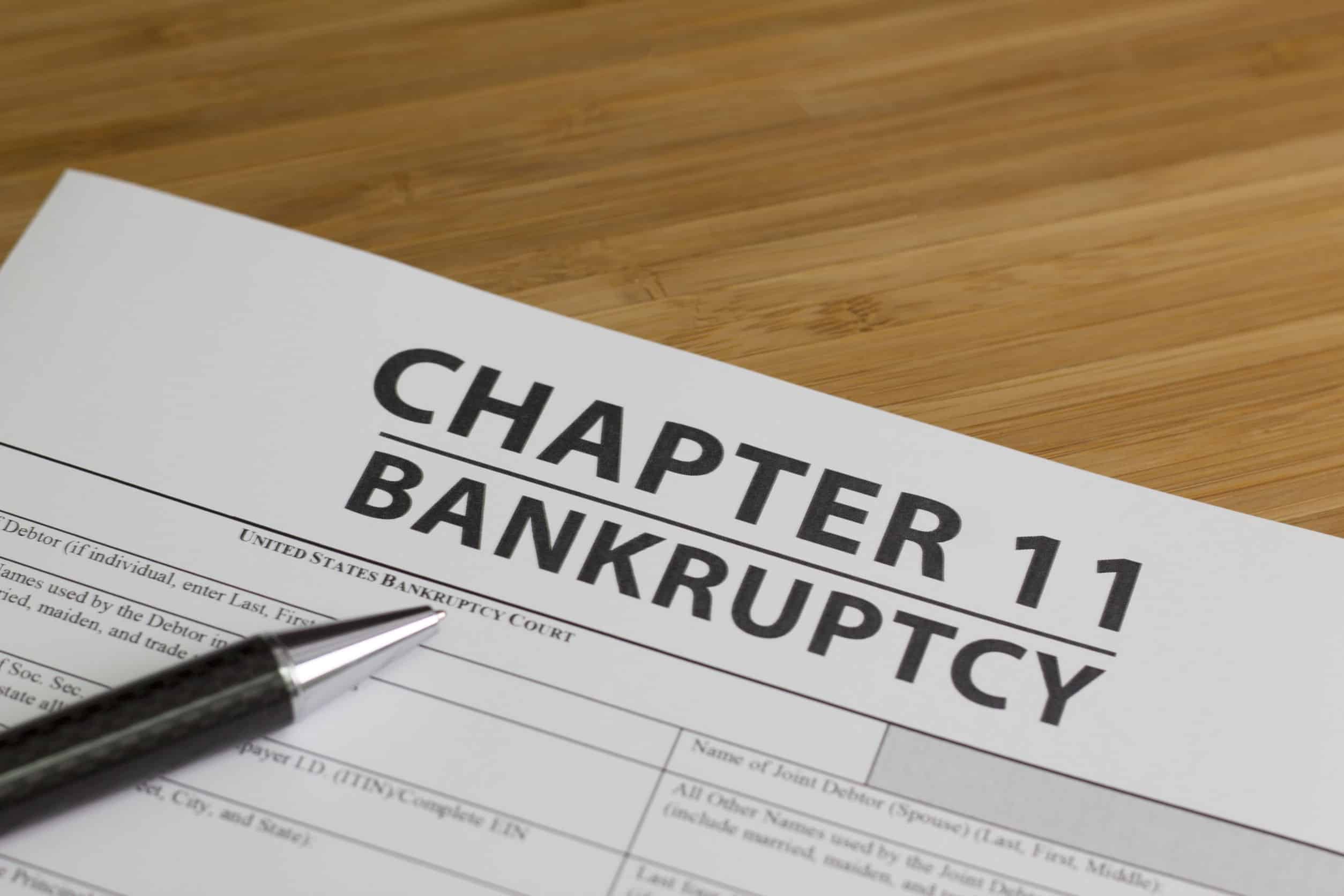
Storj Labs, the decentralized cloud storage company behind Storj, has filed for Chapter 11 bankruptcy protection in the United States, becoming the fourth crypto firm in the past week to shut down, wind down, or enter a formal restructuring process.
According to documents filed with the U.S. Bankruptcy Court for the Northern District of West Virginia, Storj said the Chapter 11 case is mainly intended to address legacy debt from earlier years, not an inability to keep the current business running. The company said the platform will continue to operate as normal during the restructuring and that users should not see any service interruption.
Storj was acquired last year by asset tokenization company Inveniam. Storj said Inveniam supports the restructuring plan and will continue to provide assistance. The company also said it will sell some previously acquired business units and non-core assets as part of an effort to simplify its operating structure.
Kaloyan Raev, Storj’s director of software engineering, said: “The company’s core business remains solid, and the scale of operations has already been adjusted to an appropriate level. What has really weighed on the company is debt left over from many years ago.”
STORJ drops about 16% after the announcement
After the news was released, STORJ, the platform’s native token, fell about 16% to roughly $0.06. The article said daily trading volume was close to $20 million, while total market capitalization was only about $27 million.
Market data cited in the report showed STORJ has fallen 79% over the past year. Compared with its all-time high of $3.81 in March 2021, the token is down about 98%.
Restructuring plan includes token holders
Storj’s proposed restructuring includes a provision the report described as relatively rare in Chapter 11 cases. The company said equity in the reorganized company will be distributed to the management team, token holders, and investors after the restructuring is completed.
Under normal circumstances, token holders are not legally recognized as company shareholders and typically do not have direct claims in Chapter 11 proceedings, nor do they often receive compensation. That makes Storj’s arrangement unusual in the crypto sector.
Four crypto firms have run into trouble in seven days
Storj is not the only crypto company to hit trouble recently. Over the past seven days, four crypto firms have announced bankruptcy filings, closures, or wind-down procedures.
Derivatives exchange BitMEX said on July 23 that it would formally cease operations following a strategic review. BitMEX pioneered the perpetual swap market, but the report said its daily trading volume has now fallen to about $400,000, while its platform token BMEX is down more than 90% from its peak. Parent company HDR Global Trading said the company is not insolvent, and that the shutdown stems from strategy changes, roughly $200 million in accumulated regulatory fines over the years, and the failure to find a suitable buyer.
Another exchange, BitMart, said on Sunday that it would gradually shut down its platform. All trading will end on Aug. 26, and the platform is expected to fully cease operations in January 2027. After the announcement, platform token BMX fell about 58% in a single day.
Ethereum Layer2 project Movement Labs also filed for Chapter 11 protection on July 21. The project uses the Move programming language developed by Meta and, according to the report, has been in a prolonged operating crisis since launching the MOVE token late last year.
Capital shifts toward AI as crypto funding tightens
The report said analysts view the recent run of crypto company failures as more than a series of isolated business problems. It also reflects a rapid shift in where capital is being allocated.
As artificial intelligence becomes a global investment focus, capital markets and venture funding are continuing to move toward AI. In that setting, small and mid-sized crypto projects that lack competitive advantages or growth momentum are finding it much harder to raise money.
The mergers and acquisitions market is also cooling. Companies looking to sell assets or find buyers are facing a smaller pool of willing counterparties.