

STRC De-Pegging Worsens: Below $80, Funding Channel Nears Closure
On June 25, Strategy's STRC preferred stock broke below $80 for the first time, hitting an intraday low of $73.62 before closing at $75.69—a nearly 25% de-peg from its $100 par target. This marks a severe disruption to what was once the firm's most efficient, lowest-cost funding vehicle.
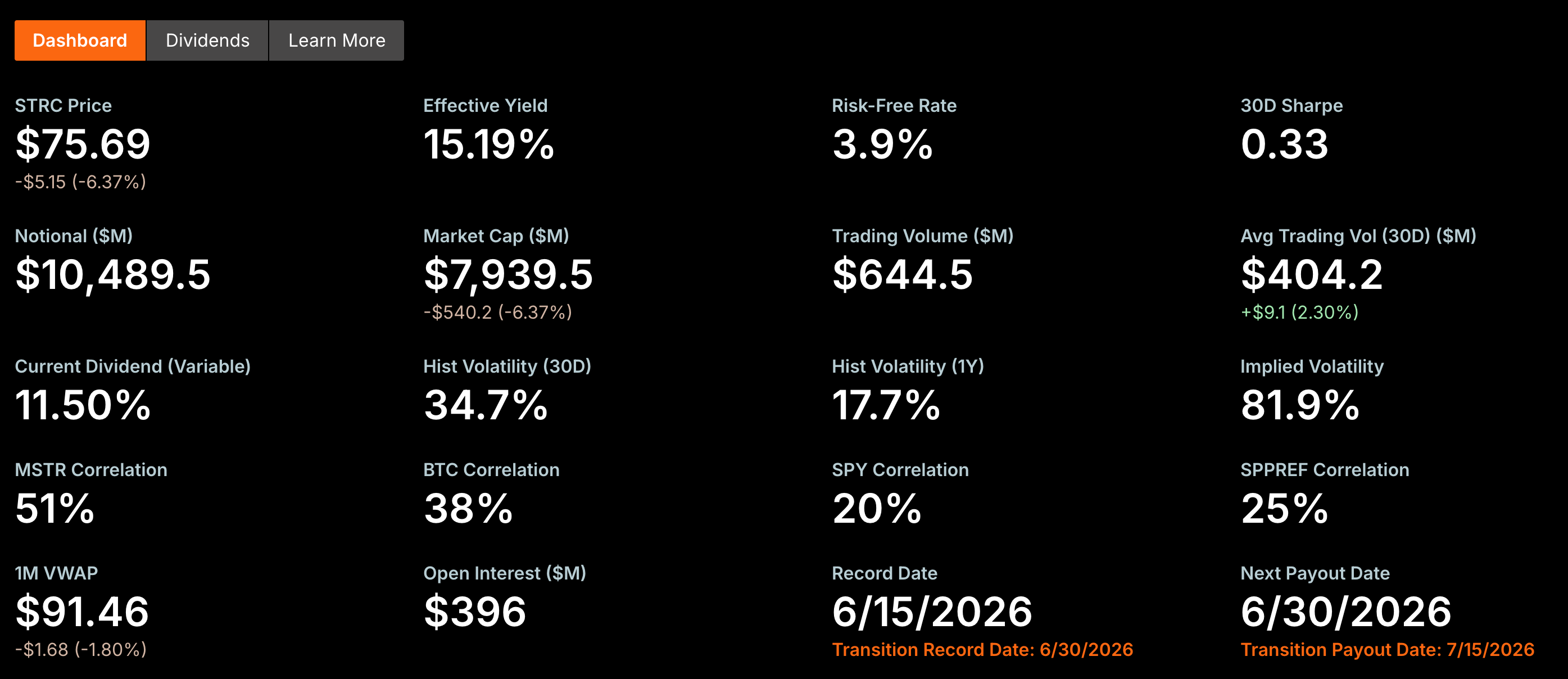
STRC was designed as a perpetual preferred stock with no maturity and no dilution of common shareholders, paying only fixed dividends. Strategy intended to keep it trading near $100 by dynamically adjusting the dividend rate, allowing it to issue new shares at par and use proceeds to buy Bitcoin. But with secondary market prices far below par, no investor would participate in new issuances, effectively shutting down this funding channel.
Dividend Burden: Over $1.2B Annual Cash Outlay, Covering Less Than One Year
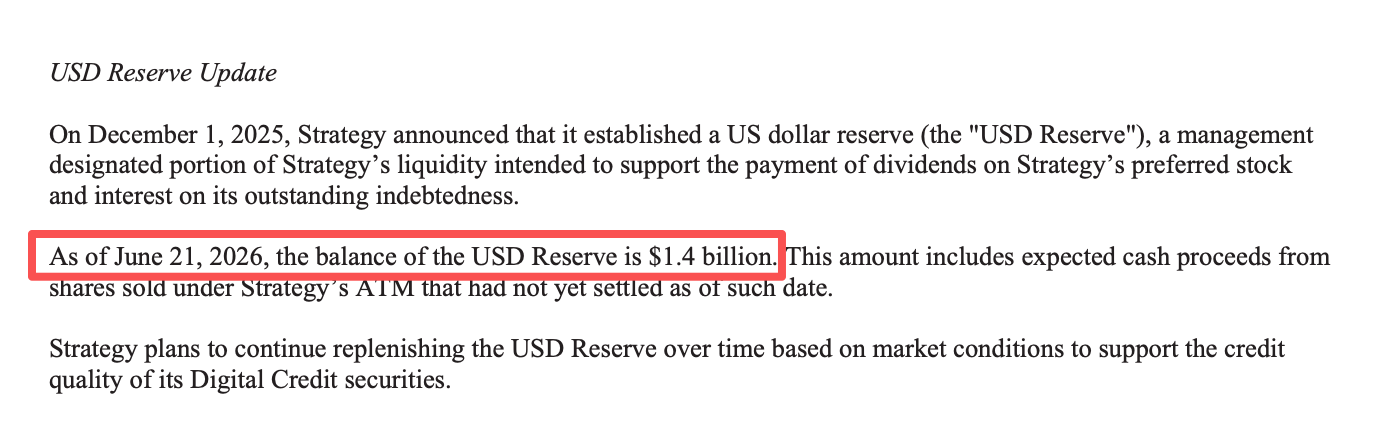
As of the latest data, STRC issuance has reached approximately $10.49 billion with an 11.5% dividend rate, translating to over $1.2 billion in annual cash dividends. Including other preferred issues (STRD, STRK, STRF), Strategy's total annual dividend obligation reaches about $1.7 billion. According to a June 21 common stock offering filing, the firm's cash reserves stood at roughly $1.4 billion—barely enough to cover preferred dividends for one year.
Strategy faces an unpalatable choice: either raise the dividend rate to attract capital (proven ineffective) or accept discounted issuance (reducing funding efficiency). Either path introduces significant friction into its funding machine. A dividend payment default would trigger immediate market panic.
Three Funding Paths: Common Stock, Debt, or BTC Sales—All With Costs
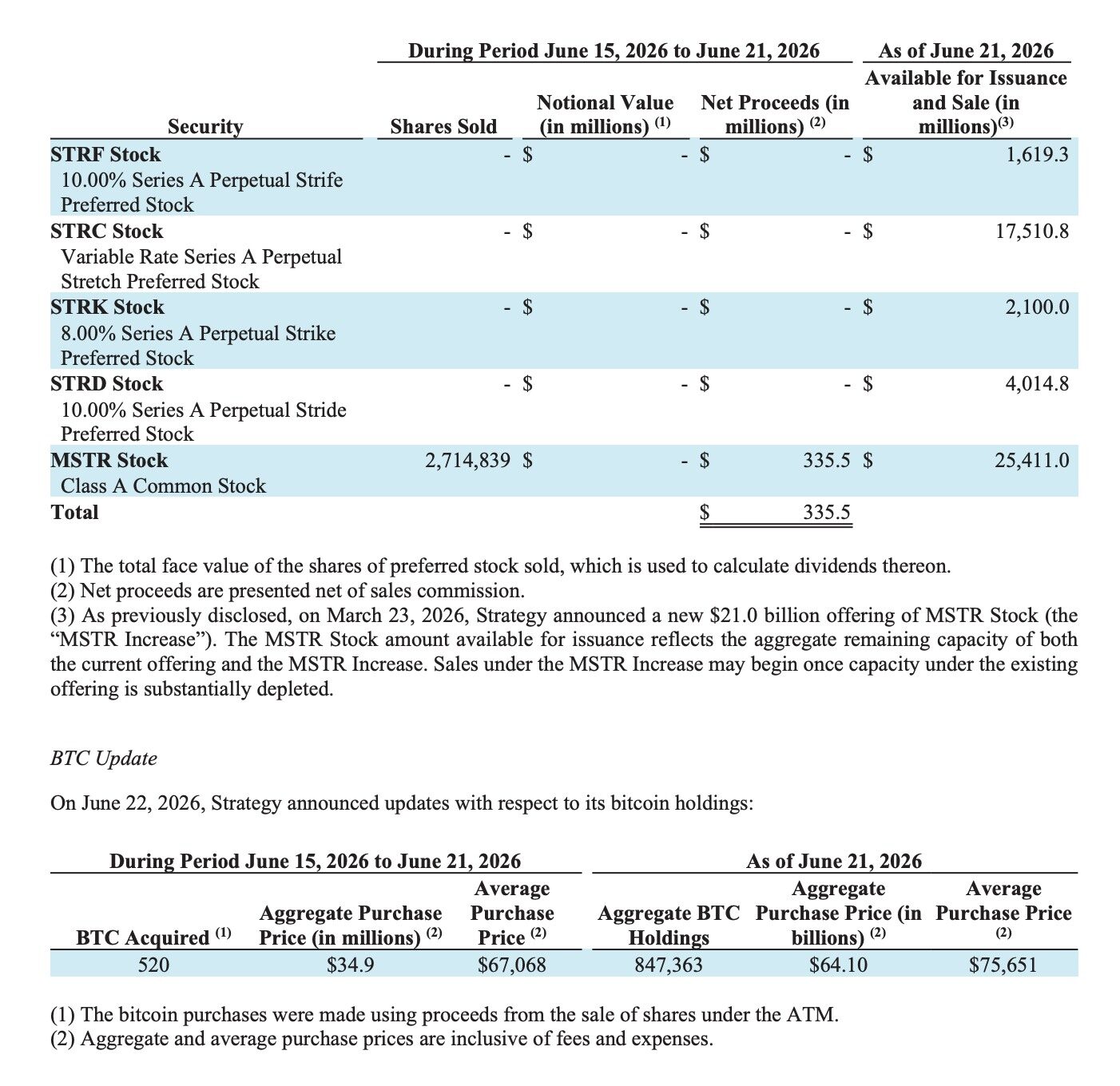
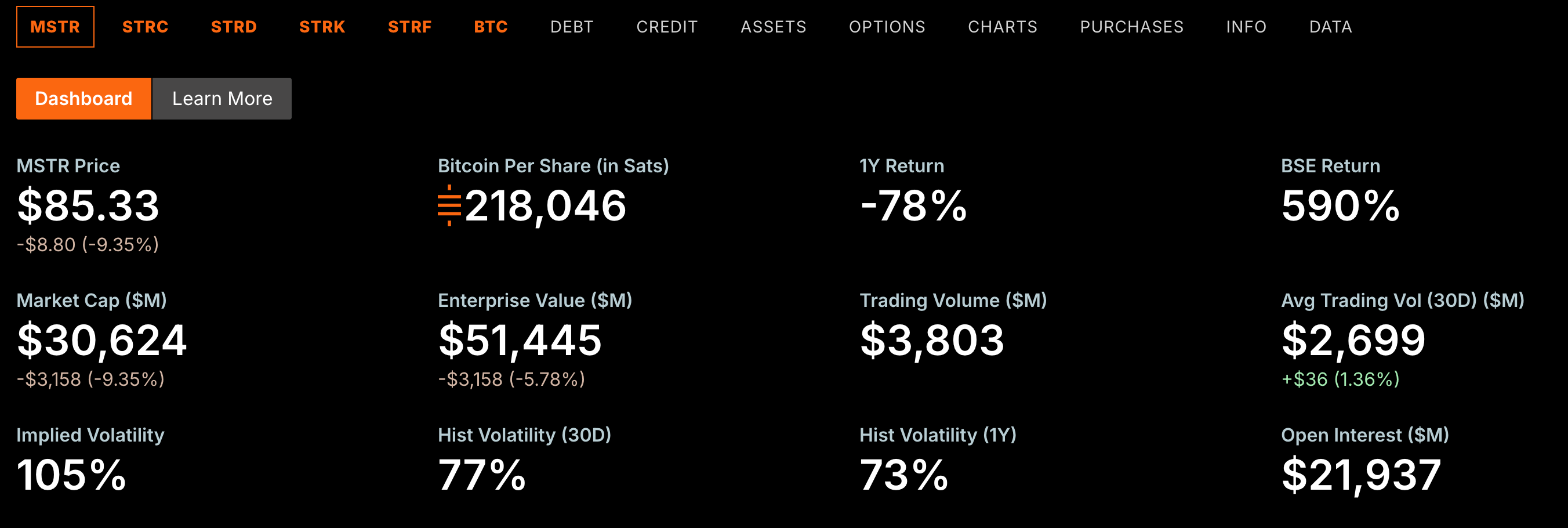
Theoretically, Strategy has only three options. First, issue common stock via its ATM program. The latest filing shows it sold 2,714,839 MSTR shares for $335.5 million, but only bought 520 BTC ($34.9 million)—meaning ~90% of proceeds went to replenish cash reserves. BTC per share has dropped from a peak of 220,900 sats to 218,046 sats, highlighting dilution. While this temporarily alleviates cash pressure, it erodes the core value proposition that makes MSTR trade at a premium.
Second, issue more debt. Strategy has historically used convertible bonds to buy BTC, but bond interest and principal are rigid obligations. With cash reserves declining and dividends rising, additional debt would worsen the balance sheet and limit future flexibility.

Third, sell BTC. Earlier this month, Strategy sold just 32 BTC (calling it a “market desensitization test”), sparking a sharp short-term selloff. As the largest single BTC holder with 847,363 BTC (~4% of circulating supply, worth over $50.7 billion), any significant sales would trigger cascading liquidations. If BTC prices fall, the “reserve” value shrinks even faster.
Funding Shift: Marginal Buyer Disappears, BTC Market Faces Potential Supply Glut
Strategy has been Bitcoin's most important marginal buyer (arguably without peer). Markets were conditioned to Michael Saylor's relentless weekly purchases. Now, common stock ATM proceeds are mostly diverted to paying dividends and building cash, not buying BTC. The same issuance scale now results in far less new demand for Bitcoin.

If STRC remains de-pegged long-term, Strategy will be forced to rely on common stock offerings to maintain cash flow, further compressing the portion allocated to BTC purchases. This means the most stable, predictable institutional buying force may cease to grow. More alarming: if common stock dilution undermines MSTR's premium, Strategy could be forced to sell BTC to raise cash—transforming from marginal buyer to a massive overhang.

In summary, STRC's re-peg is not just a company-specific issue; it directly affects Bitcoin's supply-demand dynamics. Crypto bulls must now watch Strategy's funding choices and STRC price action as leading indicators for BTC market direction.