
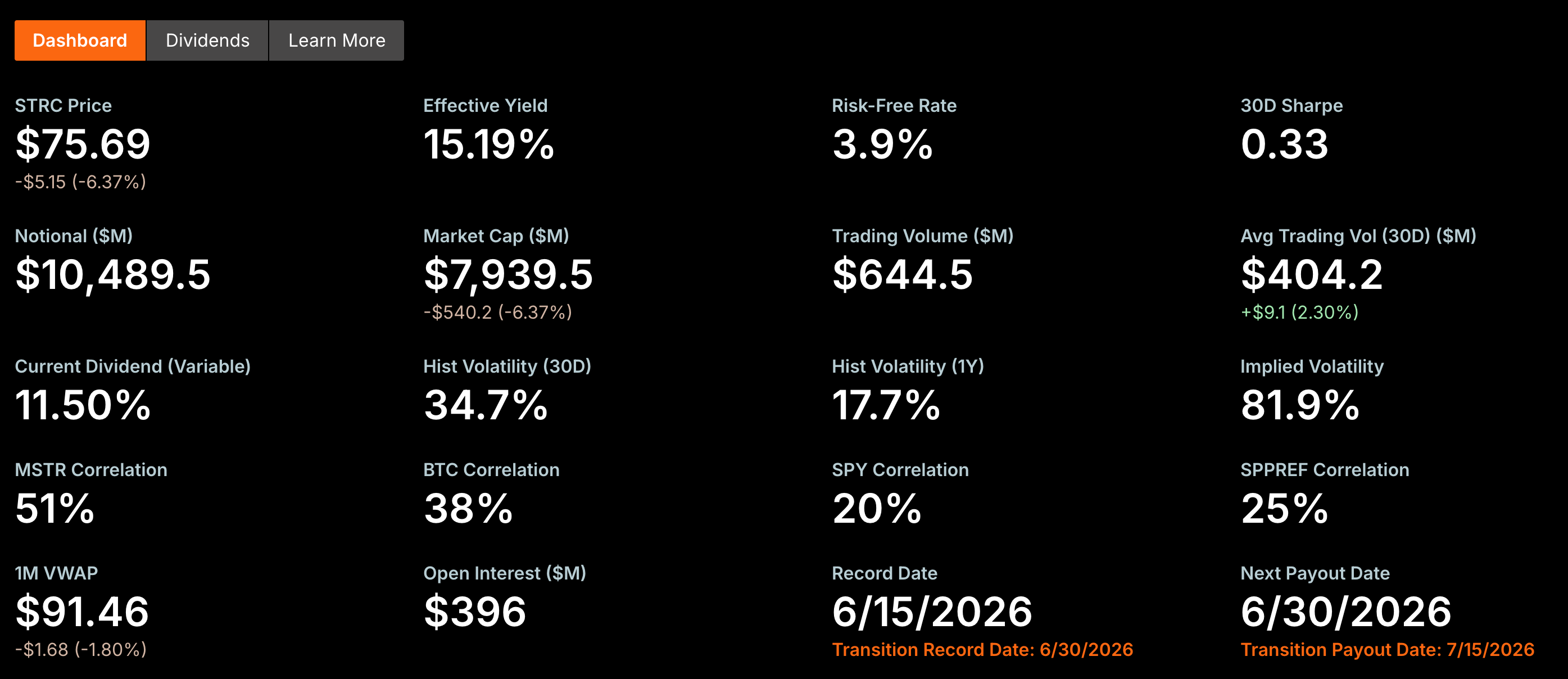
Strategy's preferred stock STRC has broken below $80 for the first time, reaching a low of $73.62 during US trading hours before closing at $75.69—a depeg of nearly 25% from its $100 par value. This marks an escalation of the depeg crisis first reported last week, and the full implications are only now becoming clear.
Why STRC Is Strategy's Lifeline
STRC is Strategy's cheapest and most efficient funding tool. The company's business model relies on a perpetual cycle: raise capital, buy Bitcoin, bolster market expectations, and raise more capital. STRC, a perpetual preferred stock with no maturity and no dilution of common shareholders, was designed to maintain a $100 trading price through dynamic dividend adjustments. CEO Michael Saylor once called it "an AI-designed product." As long as the secondary market price holds near $100, Strategy can continuously issue new STRC shares at par, raising fresh funds for BTC purchases.
Financial Squeeze: Dividend Burden and Blocked Funding
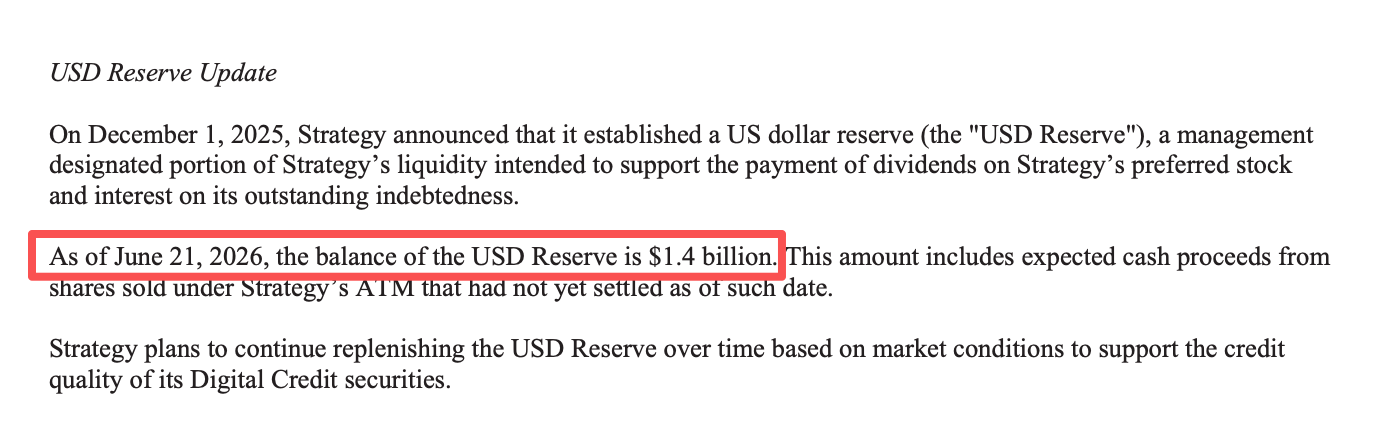
The STRC depeg has effectively shut down this funding channel—no rational investor would buy new shares at $100 when they can get them for $75 on the open market. According to the latest disclosure, STRC issuance totals approximately $10.49 billion with an 11.5% dividend rate, creating annual cash dividend obligations of over $1.2 billion. Combined with other preferred stocks (STRD, STRK, STRF), total annual dividends reach about $1.7 billion. Yet Strategy's cash reserves stood at only $1.4 billion as of June 21—barely enough to cover one year of preferred dividends. The company urgently needs more capital to sustain its model and avoid default.
Three Paths Forward—All Costly
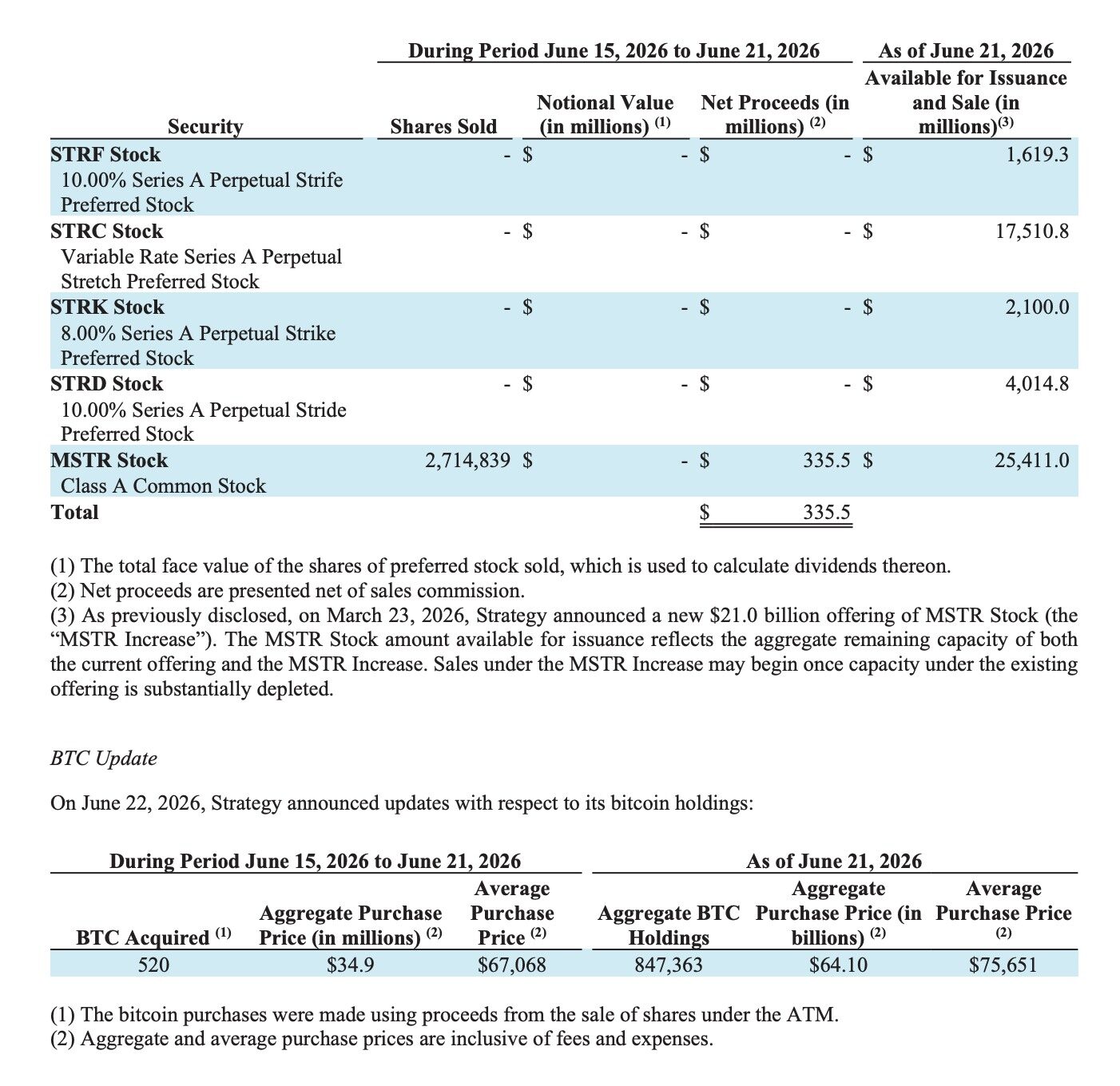
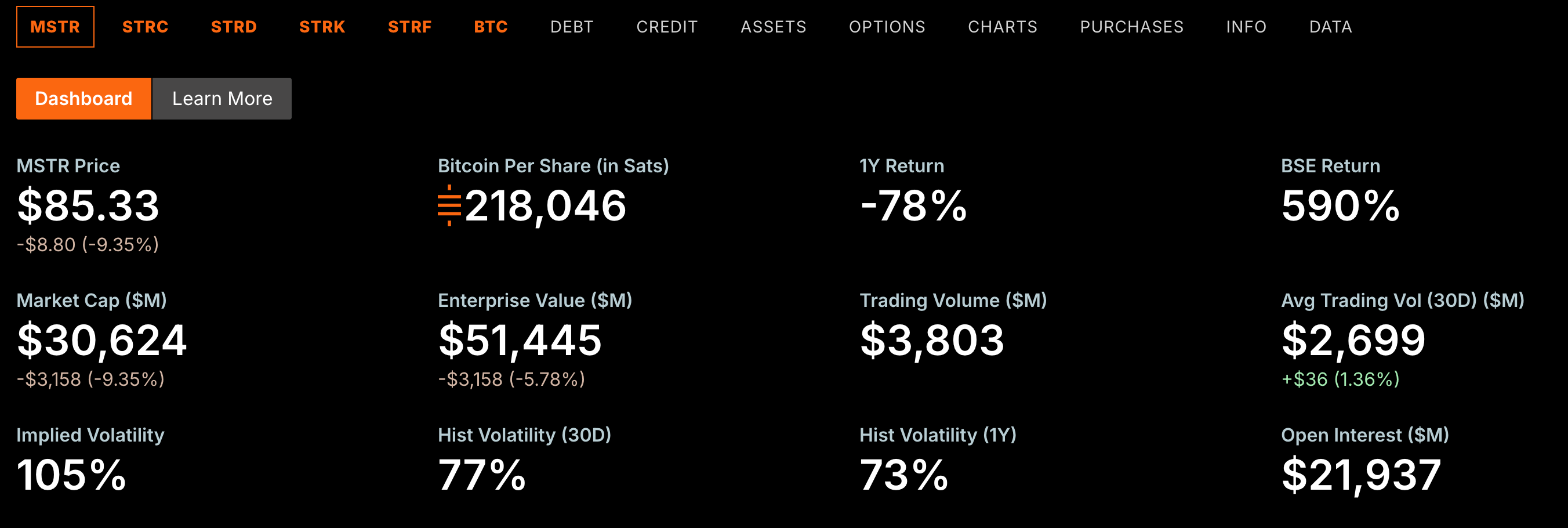
Strategy has three options: issue common stock, issue debt, or sell Bitcoin. Debt adds rigid repayment pressure; selling BTC would provide immediate cash but crash its own collateral. The company has chosen common stock ATM offerings. In the latest weekly filing, it sold 2,714,839 shares of MSTR for $335.5 million—but bought only 520 BTC for $34.9 million. Most proceeds went to replenish cash reserves. While this eases short-term liquidity, it dilutes common shareholders: BTC per share has dropped from a peak of 220,900 sats to 218,046 sats.

From Marginal Buyer to Potential Seller: Bitcoin's New Risk
Strategy holds 847,363 BTC—about 4% of circulating supply—making it the most important marginal buyer in the market. Now, most ATM proceeds go to cash, not BTC. The buy side is weakening. If STRC stays depegged long-term, Strategy will rely on common stock dilution indefinitely, further reducing BTC allocation and potentially forcing a resort to selling coins. The market's most dependable institutional buyer is turning into an overhang. For a Bitcoin bull run to resume, STRC must return to par—or Strategy must find a way out of this funding trap.