
From $3 Million to $1.5 Trillion: A Bet Through the Cycle
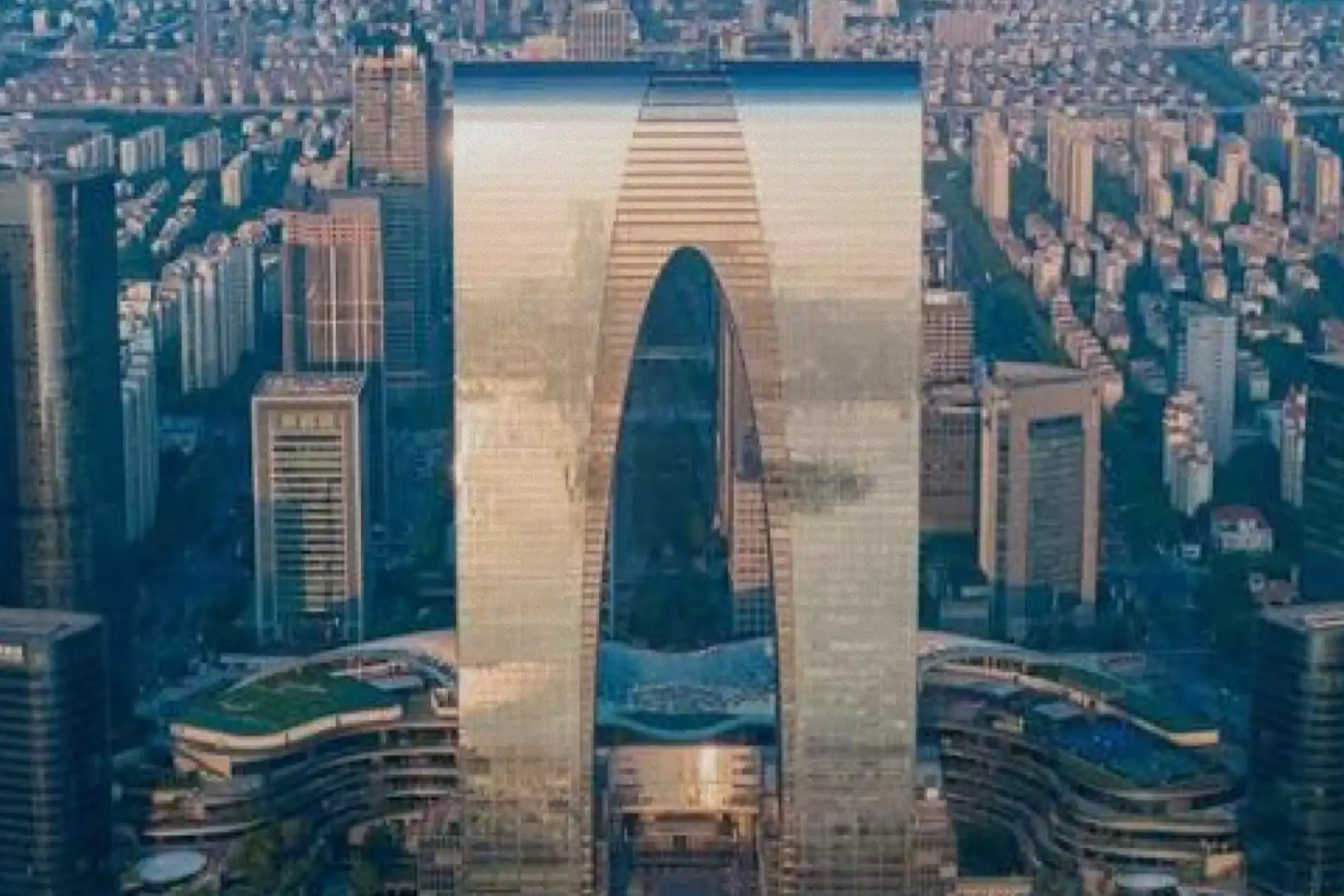
In the fall of 2008, as Lehman Brothers collapsed and Chinese venture capital froze, Yuanhe Holdings—the state-owned investment arm of Suzhou Industrial Park—placed a bet of approximately 30 million RMB (about $3 million) on an obscure startup called XuChuang Technology. Founder Liu Sheng held a B.S. from Tsinghua and a Ph.D. from Georgia Tech, with years of optical communications experience at Lucent and Opnext in North America. He returned from Silicon Valley to Suzhou to build high-speed optical modules—then a niche, almost ignored by investors. Nearly two decades later, that bet grew into Zhongji Innolight (300308.SZ). By the Dragon Boat Festival in 2026, its stock price touched 1,367.88 RMB, pushing its market capitalization above 1.5 trillion RMB, ranking among the top 10 A-share companies and surpassing Kweichow Moutai.
The Vessels of Computing Power: Optical Modules in AI
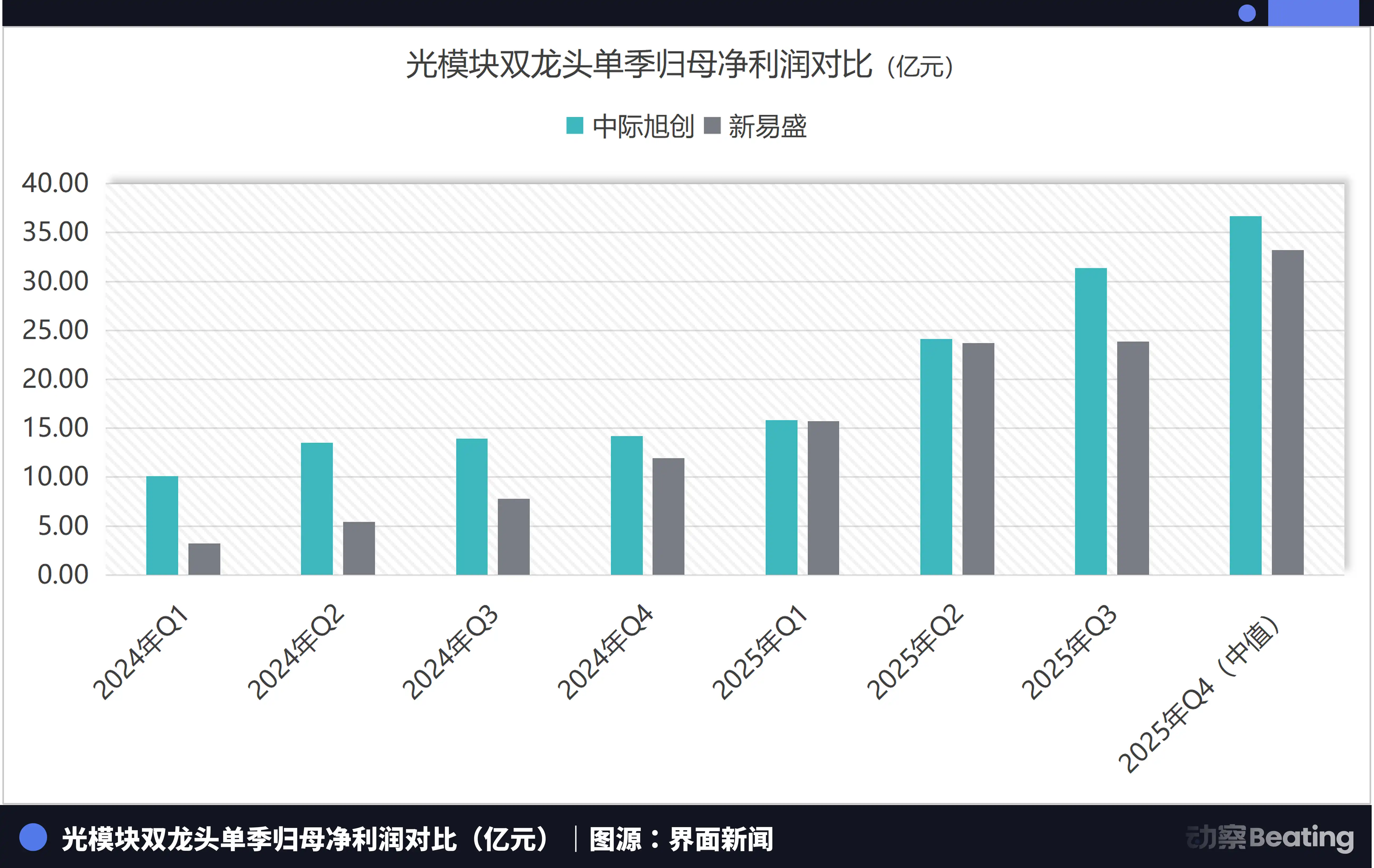
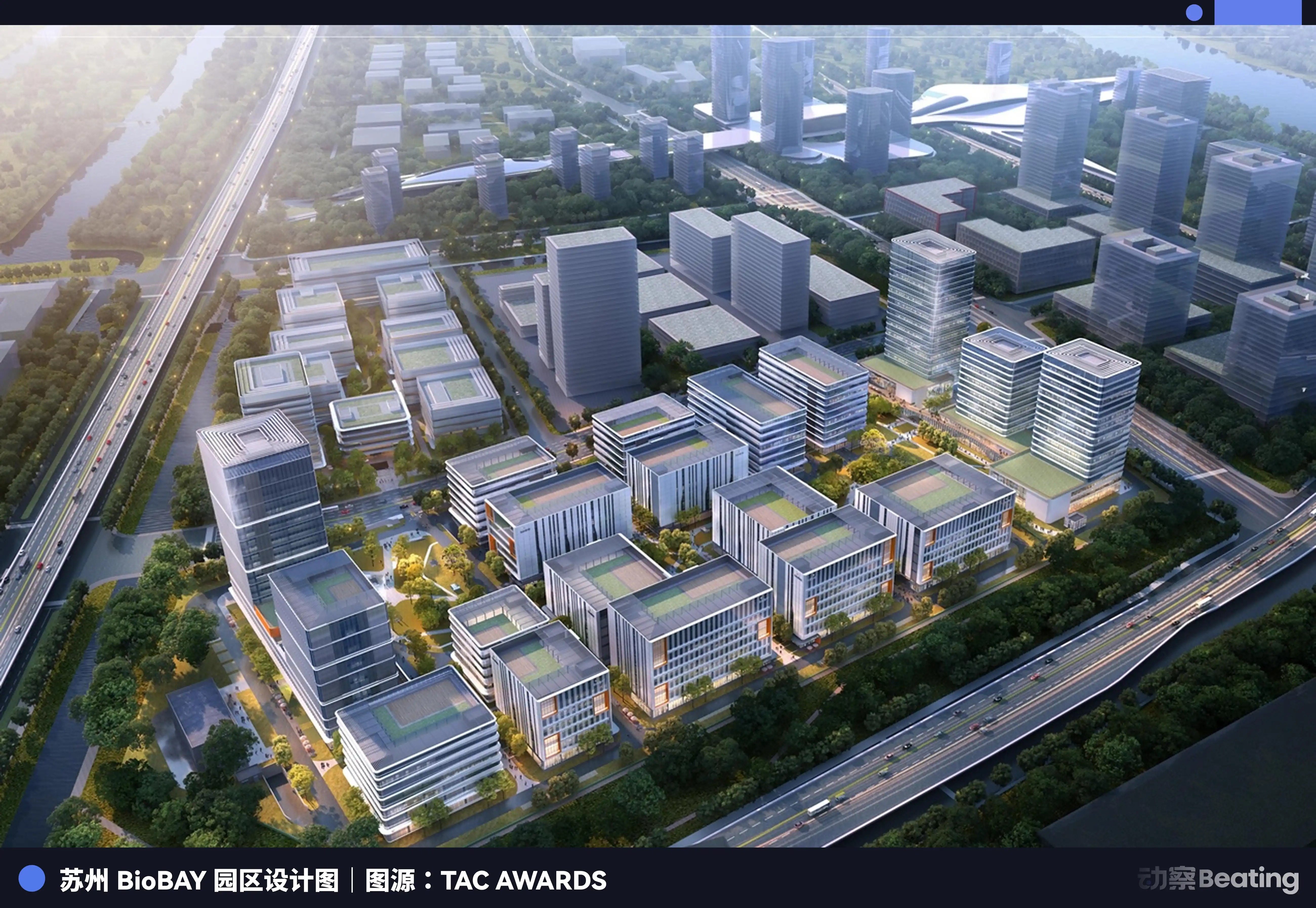
Computing power is the heart; optical modules are the blood vessels. Without them, AI chips are just a pile of hot silicon that cannot communicate across data center distances. The A-share market's three optical module giants—Eoptolink, Zhongji Innolight, and TFC—are famously dubbed 'Yi Zhong Tian' in Chinese, and two of them are headquartered in Suzhou. Beyond them, Suzhou hosts Lianyi Instruments (high-end optical test gear, surging 20x after its 2026 IPO) and Yuanjie Technology (active optical chip leader, once hitting 1,712 RMB). The city effectively controls a complete AI data center supply chain: from optical chips (Yuanjie) to devices (TFC), module packaging (Innolight), and testing (Lianyi).
Three Generations of Pragmatism: Why Suzhou Always Bets Right
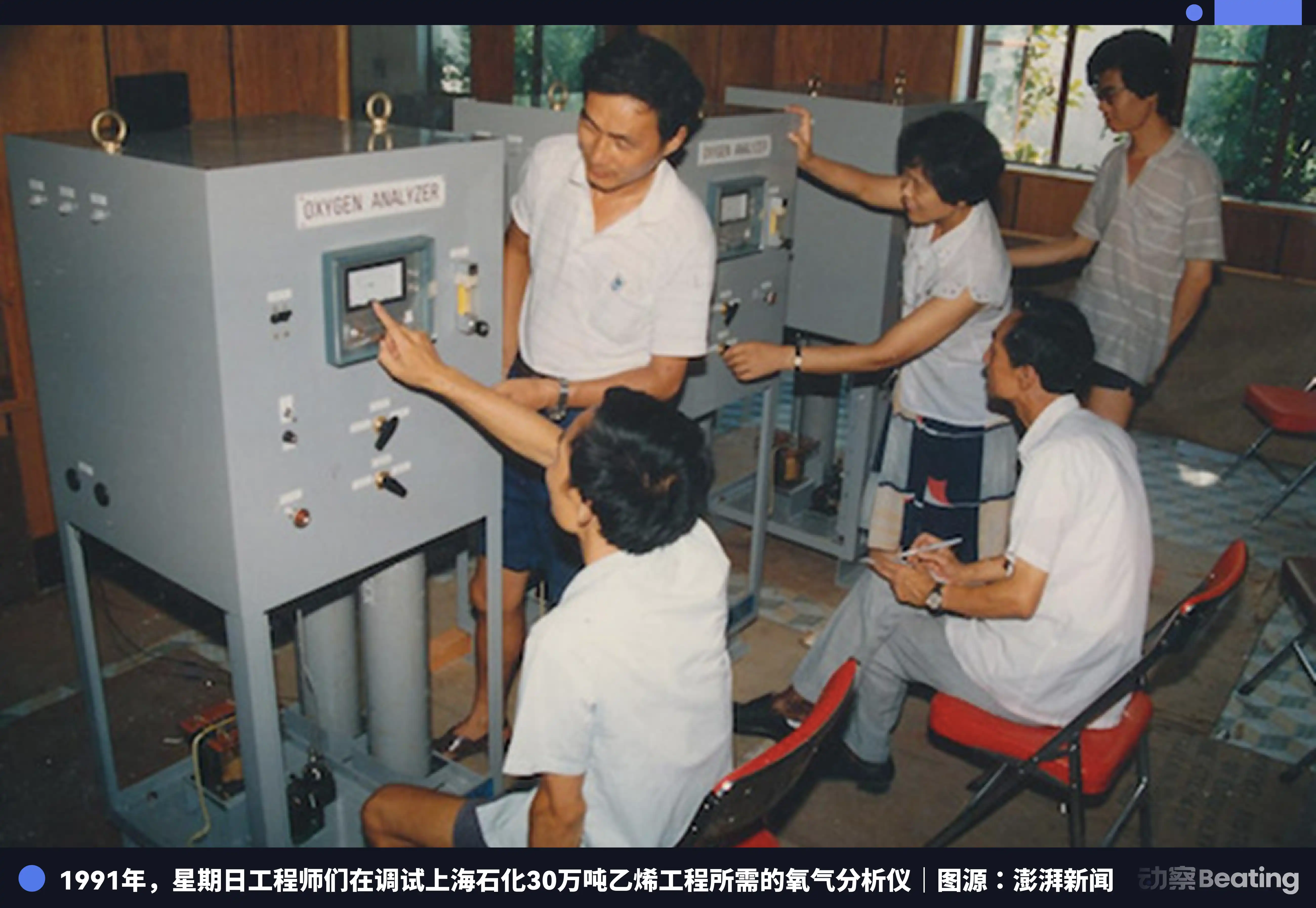
This investment was no fluke. Project lead Dai Yu of Yuanhe Holdings recalled that contact came through the Park's 'Leading Talent Plan.' Yuanhe deployed three different-stage funds and a debt platform to add layers of investment, also pulling in Datai Capital, eventually holding over 7% of XuChuang. From funding in 2008 to the 2017 backdoor listing, the investment endured a full economic cycle. Suzhou's knack for betting stems from a survival instinct born of poverty: in the 1980s, 'Sunday Engineers' from Shanghai helped township enterprises on weekends; in the 1990s, Kunshan residents pooled 500,000 RMB to build China's first self-funded development zone; in 2008, they bet again on a niche overseas returnee. The same move repeated three times: spend your own money on what nobody wants, when it's cheap.
The system behind the bets: Suzhou Industrial Park established China's first science & technology investment promotion center in 2006; by 2022, all recruitment staff held graduate degrees (mostly in STEM); 212 promotion agencies with over 2,000 full-time staff, including 119 state-owned companies operating with market-based compensation and equity investment authority. Suzhou also invented 'chain-led funds,' where industrial chain leaders serve as fund managers and the government follows their co-investments, having deployed over 20 billion RMB via a dozen such funds. The principle: let the most knowledgeable people make the call, and commit long-term capital (>10 years).

The Flywheel: From One Company to City-Wide AI+Manufacturing
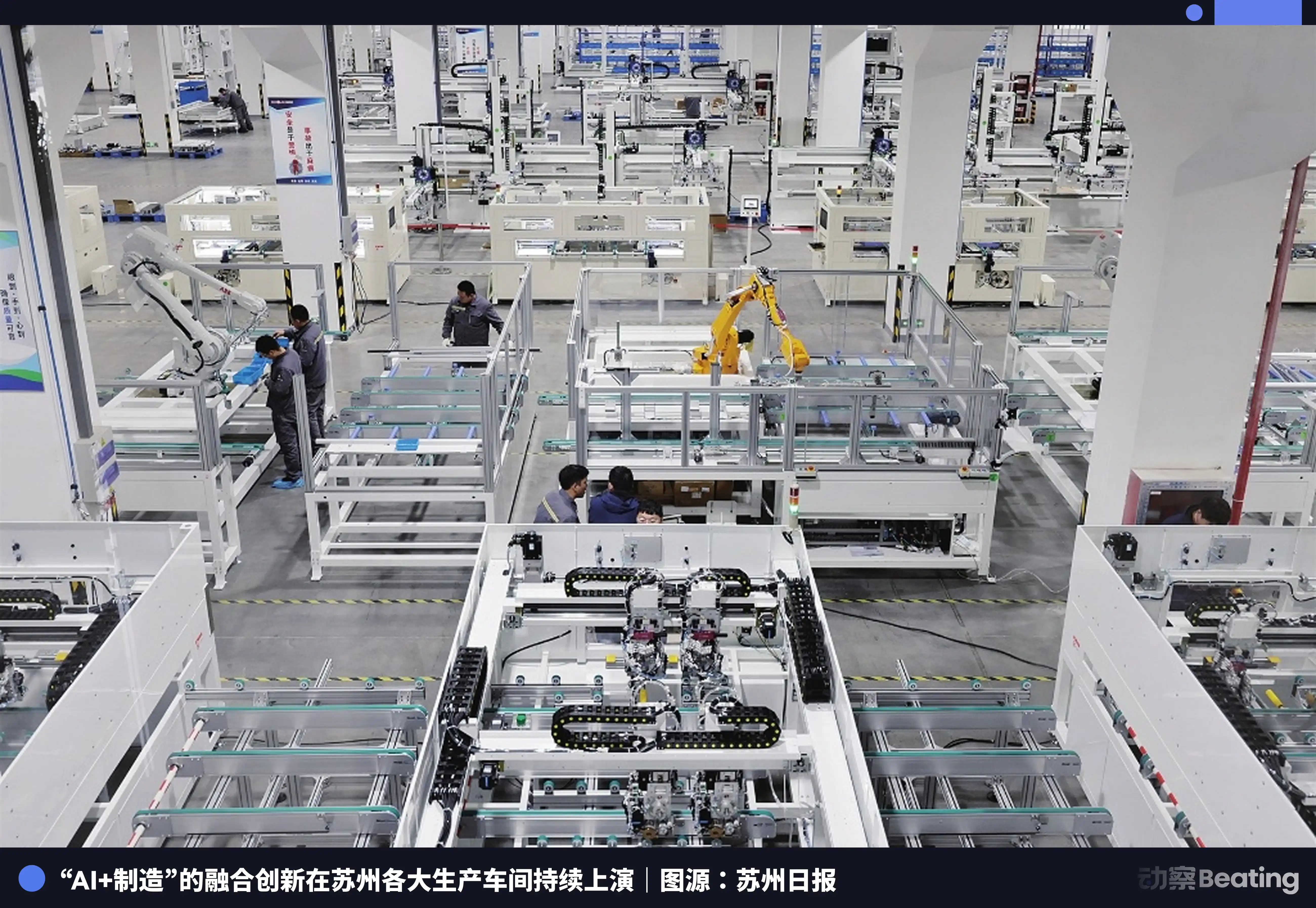
As Zhongji Innolight grew, it pulled along suppliers, test equipment makers, chip companies, funds, and talent. In 2025, Innolight reported revenue of 38.2 billion RMB and net profit of 10.8 billion RMB; in Q1 2026 alone, revenue hit 19.5 billion RMB, up 192% YoY. Suzhou's combined A-share market cap surpassed 4 trillion RMB, ranking fourth nationally. Its industrial output above designated size reached 4.89 trillion RMB, second in the country. In the AI era, Suzhou's 160,000 industrial enterprises spanning 34 of the 41 major industrial categories generate massive production data—a natural training ground for industrial large models. The Industrial Park's computing power service platform matches resources like 'ordering takeout,' with enterprises signing contracts within 24 hours and receiving 20% subsidies.

The flywheel generates social benefits too: 415,000 new urban jobs in 2025, 283,000 college graduates staying in the city. Bozhong Precision's AI defect detection achieves zero false-negative on knife-edge batteries; Megarobo's AI agent cluster compresses molecular construction cycles from 6-10 months to 6-8 weeks. Suzhou pilots enterprise-led talent certification—the boss decides who's valuable, not the government—following the same logic as chain-led funds. In 2026, Suzhou launched eight 'AI+Manufacturing' initiatives, targeting industrial output above 5 trillion RMB, cultivating 150 industrial large models, and reaching total computing power of 40,000 PFLOPS. The ripple effect from that 30 million yuan bet continues to expand.
