
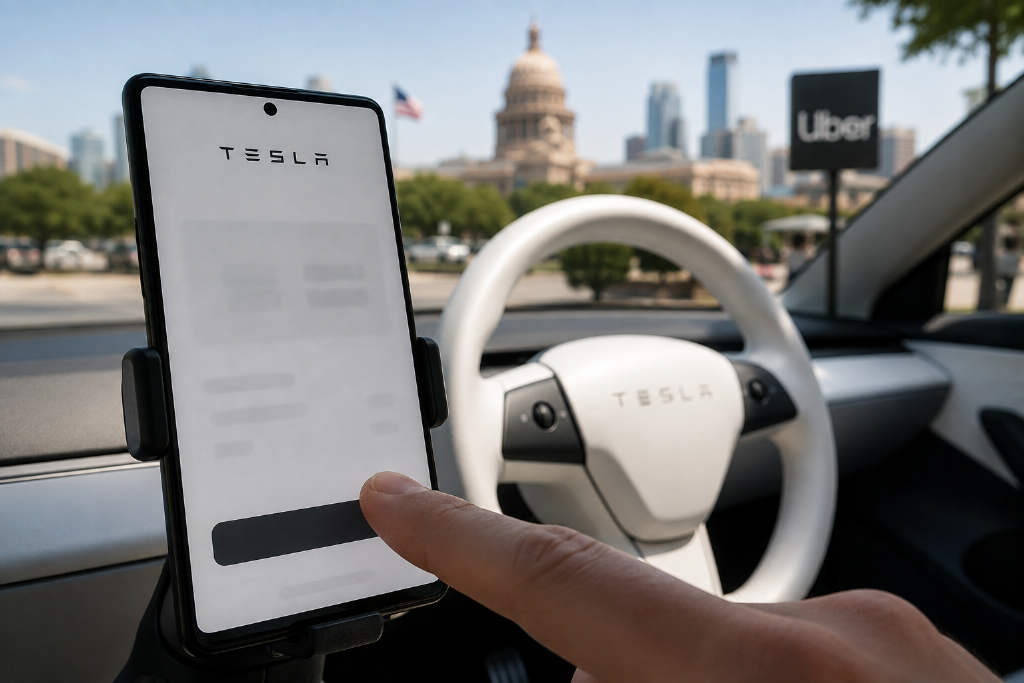
Tesla Robotaxi rides are still cheaper than Uber on comparable routes in parts of the U.S., but the service has not held prices steady. In Austin, an 11-mile trip costs $13.71 with Robotaxi, while Uber quotes the same route at $18 to $31. A Model Y-class ride on Uber comes in at nearly $40 before tip, according to BlockTempo.
One reason for the gap is that Robotaxi rides do not involve driver tips. Tesla’s current fare structure is a $3 base fare plus $1.4 per mile. Uber’s per-mile charge is listed at about $1.5 to $2.
Tesla also comes in below Waymo on a Dallas trip
The article gives another comparison from Dallas. On a 2.25-mile ride lasting about seven minutes, Tesla charges $6.15. Waymo quotes $13.93 for the same stretch, more than double Tesla’s fare.
Prices changed three times in a year
Lower fares have come with repeated price adjustments. When Robotaxi launched in Austin last year, it used a flat $4.2 fare per trip. In March this year, Tesla moved to a $3.25 base fare plus $1 for each additional mile. Later that same month, it shifted again to a $3 base fare plus $1.4 per mile, lifting the mileage charge by 40%.
Ride-comparison app Obi, which tracks the San Francisco market, found Tesla’s per-mile fare was 41% higher than a year earlier. Over the same period, Waymo rose 18%, Lyft 12%, and Uber 5%.
Tesla said the price increases were driven mainly by heavy demand and an insufficient number of vehicles, with the goal of cutting wait times.
Cheaper rides, longer waits
Obi used more than 94,000 simulated ride requests to compare services in the Bay Area. Tesla’s average wait time came in at close to 16 minutes. Uber, Lyft, and Waymo were roughly in the 3-to-6-minute range.
Fleet size helps explain that difference. Third-party platform Robotaxi Tracker estimated that only about 20 to 30 Tesla vehicles were actually operating on roads without safety drivers at any given time. Including vehicles with safety drivers, the overall fleet dropped from 165 in April to 34.
Tesla points to software limits
Elon Musk attributed the bottleneck to software. He said Tesla needs the rewritten FSD v15, and that safety validation is still the factor limiting scale. Tesla vice president Ashok Elluswamy said on the company’s July earnings call that Robotaxi had logged more than 380,000 miles of driverless operation over the course of a year.
Waymo runs at a different scale
Waymo’s fares are higher, but its operating footprint is far larger. The report says Waymo has about 3,500 vehicles in service across 11 U.S. metro areas. It handles 500,000 paid rides a week and 4 million miles weekly, with cumulative paid trips topping 20 million.
Tesla’s service is active in seven metro areas, although Bay Area operations still require safety drivers.
Cybercab did not change the current picture
Tesla unveiled Cybercab on Sept. 3, but the launch did not alter the current operating structure. The two-seat vehicle, built without a steering wheel or pedals, appeared in Austin, and 45 units were filed with Texas regulators. Tesla expects to deploy 2,500 Robotaxis during 2026.
Tesla vice president Lars Moravy said Cybercab can comply with updated federal motor vehicle safety standards through self-certification, allowing Tesla to avoid the National Highway Traffic Safety Administration’s annual exemption cap of 2,500 vehicles. Musk’s target is 2 million units a year with a price below $30,000.
Uber is expanding its autonomous strategy as well
Uber has not stood still. The company has signed roughly 30 autonomous driving partners, and autonomous trips on its platform grew about 10x over the past year, the report said. Uber wants to offer driverless service in as many as 15 cities by the end of 2026 and plans to invest more than $10 billion over the coming years.
Investor reaction has been weak. After Uber released second-quarter earnings on Aug. 5, the stock closed down 5.3% that day because next-quarter profit guidance came in below analyst expectations.
Cities named in Tesla’s current Robotaxi rollout
The article says Tesla Robotaxi is currently operating in Austin, Dallas, Houston, Miami, Orlando, and Tampa. In the Bay Area, service still requires safety drivers.