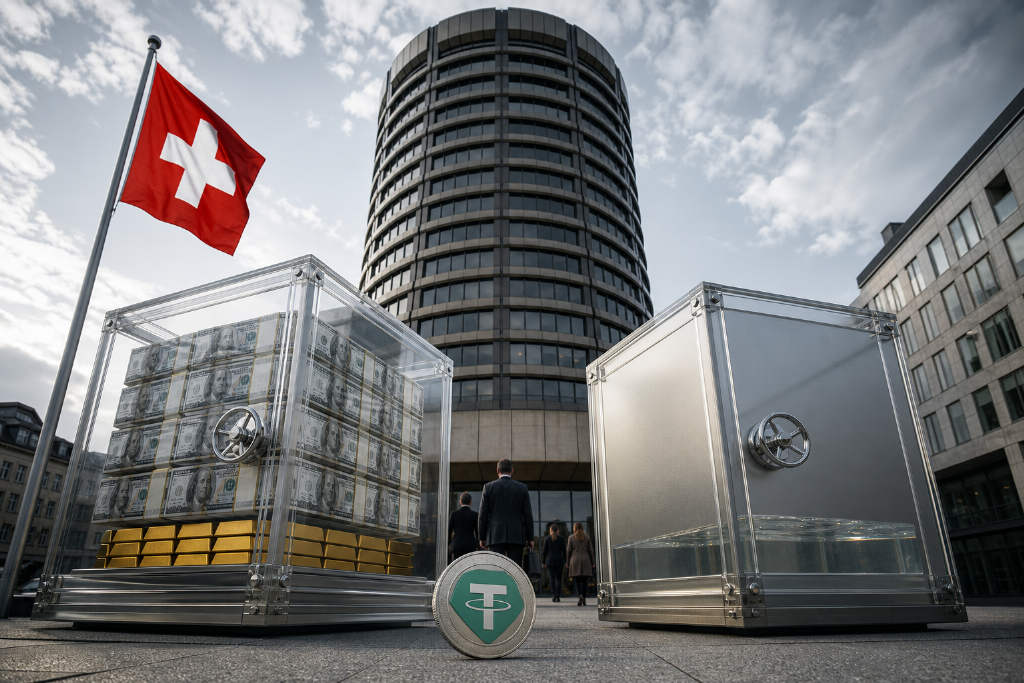
The BIS general manager had said stablecoins do not have the ability to support large-scale credible payments and argued that tokenized deposits are more advantageous. Tether CEO Paolo Ardoino pushed back, insisting stablecoins are 100% reserved by liquid assets such as government bonds. In comments reported by PANews on Aug. 30, Ardoino said tokenized deposits are supported only by verbal promises and bank deposits without deposit insurance, usually carrying around 10% liquid-asset reserves. He argued that the BIS's real concern is that stablecoins expose “the emperor's new clothes,” and questioned why savers would keep money in fractional-reserve products rather than fully reserved stablecoins. If the public realizes stablecoins are safer and starts shifting savings, he asked, what would happen to the financial system? Ardoino also rejected the idea that stablecoins lack credible payment capability at scale, calling the current moment the “truth-revealing” stage. His remarks were a direct response to the BIS official's earlier criticism.
Tether CEO Paolo Ardoino has rebutted the Bank for International Settlements' latest criticism of stablecoins, arguing that stablecoins are fully reserved while tokenized deposits rely on promises.
His response, reported by PANews on Aug. 30, came after the BIS general manager said stablecoins are not capable of large-scale credible payments and claimed tokenized deposits are more advantageous.
Ardoino said stablecoins are 100% backed by liquid assets such as government bonds. Tokenized deposits, in contrast, are supported by bank deposits that are not covered by deposit insurance and rest on verbal commitments, with usually only 10% liquid-asset reserves.
He said what the BIS really worries about is that stablecoins expose “the emperor's new clothes.” Ardoino then asked why people would put savings in a fractional-reserve product instead of a fully reserved stablecoin, and what would happen to the financial system if the public realized stablecoins are safer and began moving savings into them.
“We are in the truth-revealing stage,” he concluded.
The earlier remarks from the BIS general manager argued that stablecoins lack the characteristics needed to support credible payments at scale and that tokenized deposits offer a stronger path.
This article was originally published by Bit.Fan. For more cryptocurrency news and market insights, visit www.bit.fan. Disclaimer:
The market information, project data, and third-party content displayed on this platform are for industry information sharing only and do not constitute any form of investment advice or return commitment.
Cryptocurrency trading carries high risks. Users should fully assess their risk tolerance and make independent decisions. All profits, losses, and legal responsibilities are borne by the users themselves.