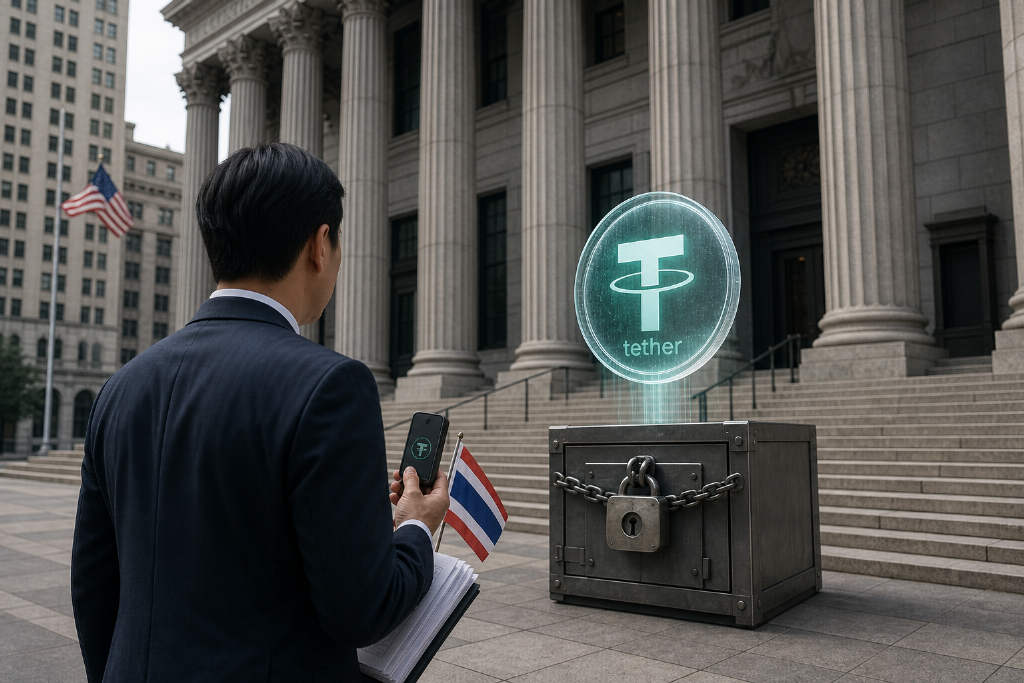
According to a report from Techub News, two Thai businessmen have filed a lawsuit against Tether in the U.S. District Court for the Southern District of New York. The lawsuit alleges that Tether, the company behind the USDT stablecoin, unlawfully froze $42.4 million worth of USDT held by the plaintiffs. The freeze, the complaint says, was carried out at the request of the U.S. government. The funds were then moved into a government wallet. The existence of the lawsuit was disclosed by Ariel Givner, the attorney for the plaintiffs. The case highlights the legal risks that stablecoin issuers may face when they cooperate with law enforcement actions. It also points to broader questions about user control over digital assets. When a stablecoin issuer takes action on behalf of a government, it can directly affect users who expect to retain full control of their holdings. This dispute therefore touches on a key tension in the crypto industry: the balance between regulatory cooperation and individual property rights. The outcome of the case is not yet known, but the issues it raises are already part of a wider discussion about stablecoin governance.
Two Thai businessmen are suing Tether, saying the stablecoin issuer illegally froze $42.4 million in USDT after a request from the U.S. government. Techub News said the lawsuit was filed in the U.S. District Court for the Southern District of New York.
In the complaint, the two plaintiffs say Tether froze their USDT holdings and then sent the funds to a government wallet. Ariel Givner, the plaintiffs' lawyer, made the lawsuit public.
The case puts a spotlight on the legal risk stablecoin companies can face when they cooperate with law enforcement. And it raises a harder question about who really controls user assets, especially when a centralized issuer can block or move funds on its own. For stablecoin users, that gets right to the point: are their holdings fully under their control, or can a third party step in?
The plaintiffs' claims have not been confirmed in court. So for now, the case remains a legal dispute centered on the strain between government requests and digital asset ownership.
This article was originally published by Bit.Fan. For more cryptocurrency news and market insights, visit www.bit.fan. Disclaimer:
The market information, project data, and third-party content displayed on this platform are for industry information sharing only and do not constitute any form of investment advice or return commitment.
Cryptocurrency trading carries high risks. Users should fully assess their risk tolerance and make independent decisions. All profits, losses, and legal responsibilities are borne by the users themselves.