Three Models: Traditional API, Tokenized, and Perpetual Contracts
Centralized exchanges (CEX) now offer US stock exposure through three distinct models: traditional API-driven brokerage, tokenized (tokenized equity) products, and perpetual contracts. The traditional API model directly connects to brokers, giving users dividend rights and voting power under legal frameworks. Tokenized models map stocks onto blockchain tokens via intermediaries like Alpaca. Perpetual contracts are purely synthetic derivatives without direct ownership.

Tokenized Model: 94% Clearing Monopoly and Time Mismatch Risk
Tokenized US stocks are heavily dependent on Alpaca, which commands roughly 94% of clearing volume, creating a de facto monopoly. The key risk lies in settlement timing: tokens trade in real-time on-chain, but the underlying shares settle under traditional T+1 rules. This mismatch can lead to arbitrage opportunities and liquidation risks when on-chain prices diverge from net asset values due to latency. Moreover, any disruption at Alpaca could cascade across the entire tokenized ecosystem.

Market Outlook: Blue Ocean Phase and DeFi Collateral Potential
Despite risks, the tokenized US stock market remains in a blue ocean phase. Reports indicate asset growth of approximately 15x, with DeFi collateral use cases emerging—users are beginning to leverage tokenized stocks as collateral for lending and leverage. This opens new on-chain liquidity channels for traditional assets. However, legal ambiguity, cross-border regulatory hurdles, and custody security remain major constraints.
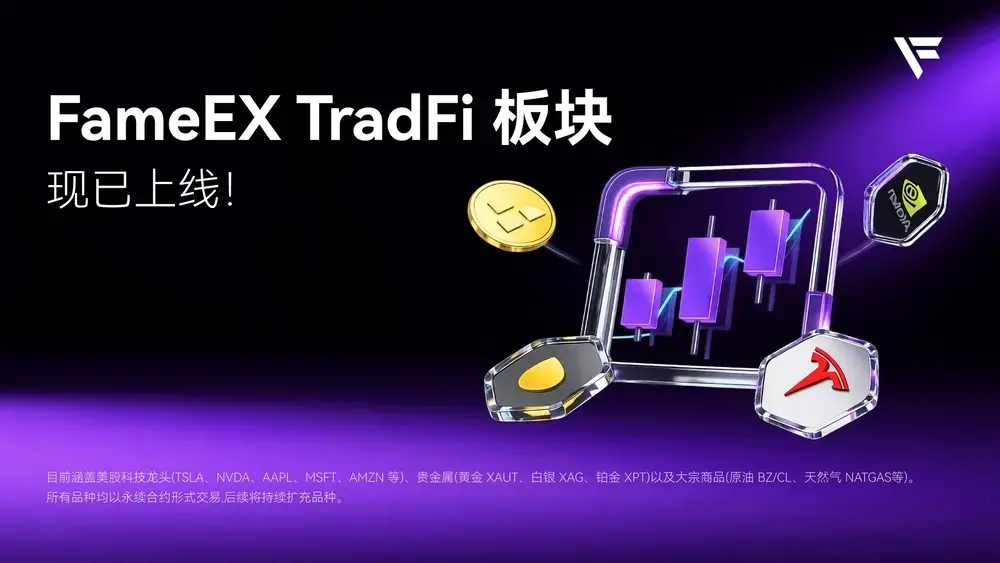
Exchanges are adopting a multi-model strategy to serve diverse client segments: compliant traditional API for institutions, and high-liquidity tokenized or perpetual products for retail users. Moving forward, competition will pivot from mere product listing to clearing efficiency and risk control capabilities.