
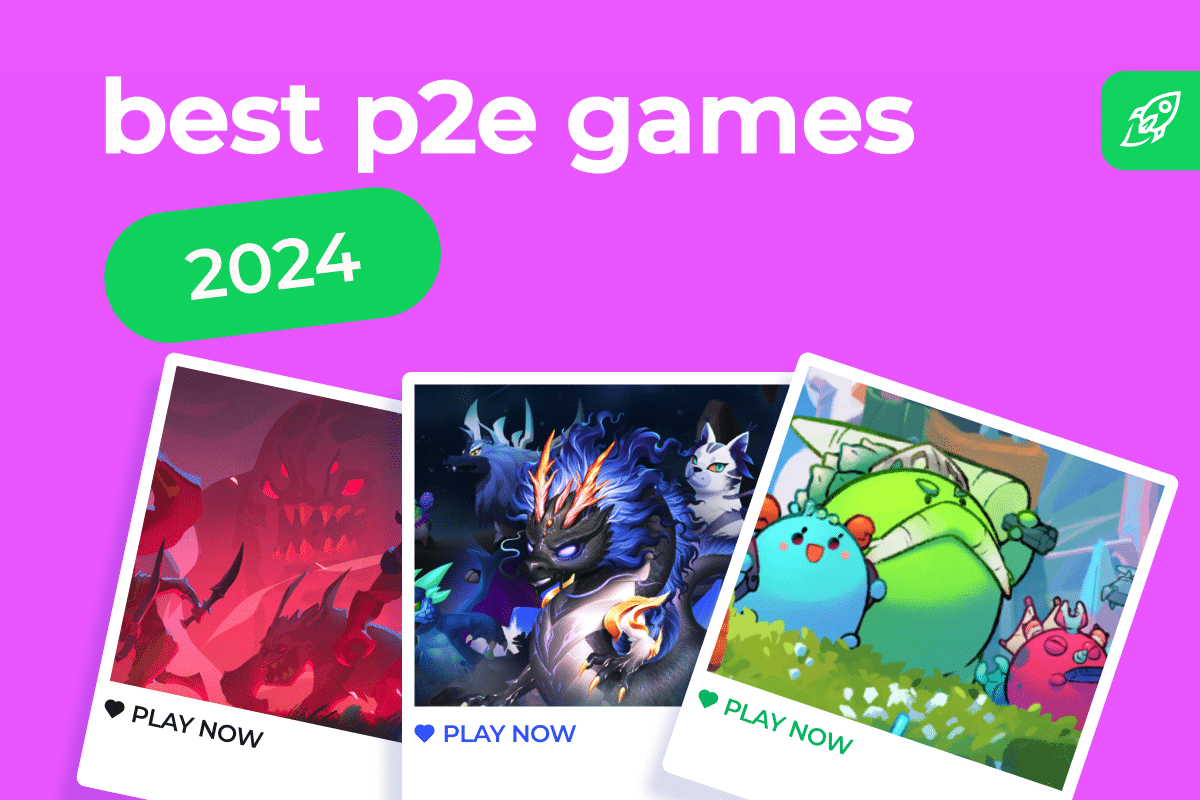
A new ranking of the best play-to-earn games in 2026 prioritizes projects with live, playable products, independently verifiable token and market data, and clearly explained earning loops across multiple categories. The assessment blends gameplay credibility, activity, token-economy sustainability, liquidity, and near-term catalysts—not expected returns. Figures are approximate as of mid-June 2026, mainly via CoinGecko and CoinMarketCap.
Off the Grid: Best Product, Struggling Token
Off the Grid tops the list as the strongest game—a battle royale directed by Neill Blomkamp, free-to-play on consoles and PC, and winner of Game of the Year at the 2024 Gam3 Awards. Players earn GUN passively by playing; the marketplace requires a ~$12/month OTG Pro subscription to trade player-generated items. Gunzilla pledged never to sell NFTs directly, committing roughly 30% of gross revenue to GUN buybacks distributed by in-game performance. Before the token ever traded, the project logged 480M+ testnet transactions across ~14.5M wallets and raised ~$120M from Coinbase Ventures, VanEck, Delphi, and Animoca. However, with only ~6% of supply circulating at launch and VC/team allocations above 50%, future unlocks pose a major overhang. The marketplace paywall limits free-player participation, and the token is down heavily despite the game's success.
Illuvium (ILV) and Axie Infinity (AXS)
Illuvium combines auto-battler and open-world exploration. ILV is used for staking, governance, and purchasing rare NFTs. A public beta launched in 2025, with roadmaps for mobile and PvP tournaments. Development cycles are long, and token dilution must be tracked.
Axie Infinity reworked itself via “Origins” into a skill-based card battler. Earning comes from ranked seasons (top players share AXS), land mechanics, and secondary market for Axie NFTs. AXS is the governance and staking token, while in-game SLP carries inflation. Atia’s Legacy MMO playtests and an Axie World Cup are 2026 catalysts. Risks include activity far below 2021 peaks, reliance on Ronin ecosystem, and the lingering memory of the $625M Ronin bridge hack in 2022.
The Sandbox (SAND) and Big Time (BIGTIME)
The Sandbox is a decentralized virtual world where users create, experience, and monetize. Creators earn via asset sales and experiences; land owners collect rent. SAND is used for staking, governance, and transactions. Land demand has declined, UGC quality varies, and major brands have exited.
Big Time is a fast-paced action RPG where players explore time rifts for gear NFTs. BIGTIME is used for upgrading, forging, and governance. The game is free-to-play with an experienced team. Low circulating supply (~6%) and upcoming unlocks, plus declining social media activity, are risks.
Web3 Gaming Market Context and Evaluation Framework
In 2026, Web3 gaming remains the largest dapp category, accounting for nearly 30% of daily active wallets, with around 4.6 million daily unique active wallets. Venture funding collapsed 70–93% year-over-year, over 300 gaming dapps went inactive in a single quarter, and the broad market value fell ~69% to about $8.83B. Many flagship tokens trade 95–99%+ below their peaks. The shift is from extractive “play-to-earn” to “play-and-earn”: games that are fun first, with lower tolerance for inflationary rewards, consolidation on a few chains (Ronin, Immutable, opBNB, WAX), and console/mobile distribution. Reported wallet counts in the tens of millions almost always reflect airdrop-farming bots, not players.
The evaluation checklist includes: Is there a live product? Who actually plays? Tokenomics: compare market cap to FDV, map emissions and unlocks, check team/VC concentration. Find sinks that burn or consume tokens/NFTs. Check liquidity before assuming you can exit. Inspect NFT health. Does the token capture value from gameplay? Team, security, and distribution. The fun test: would people still play if rewards stopped? A low token price is not automatically a bargain—anchor on supply, dilution, liquidity, and genuine demand, never the sticker price. All content is a research starting point, not investment advice.