
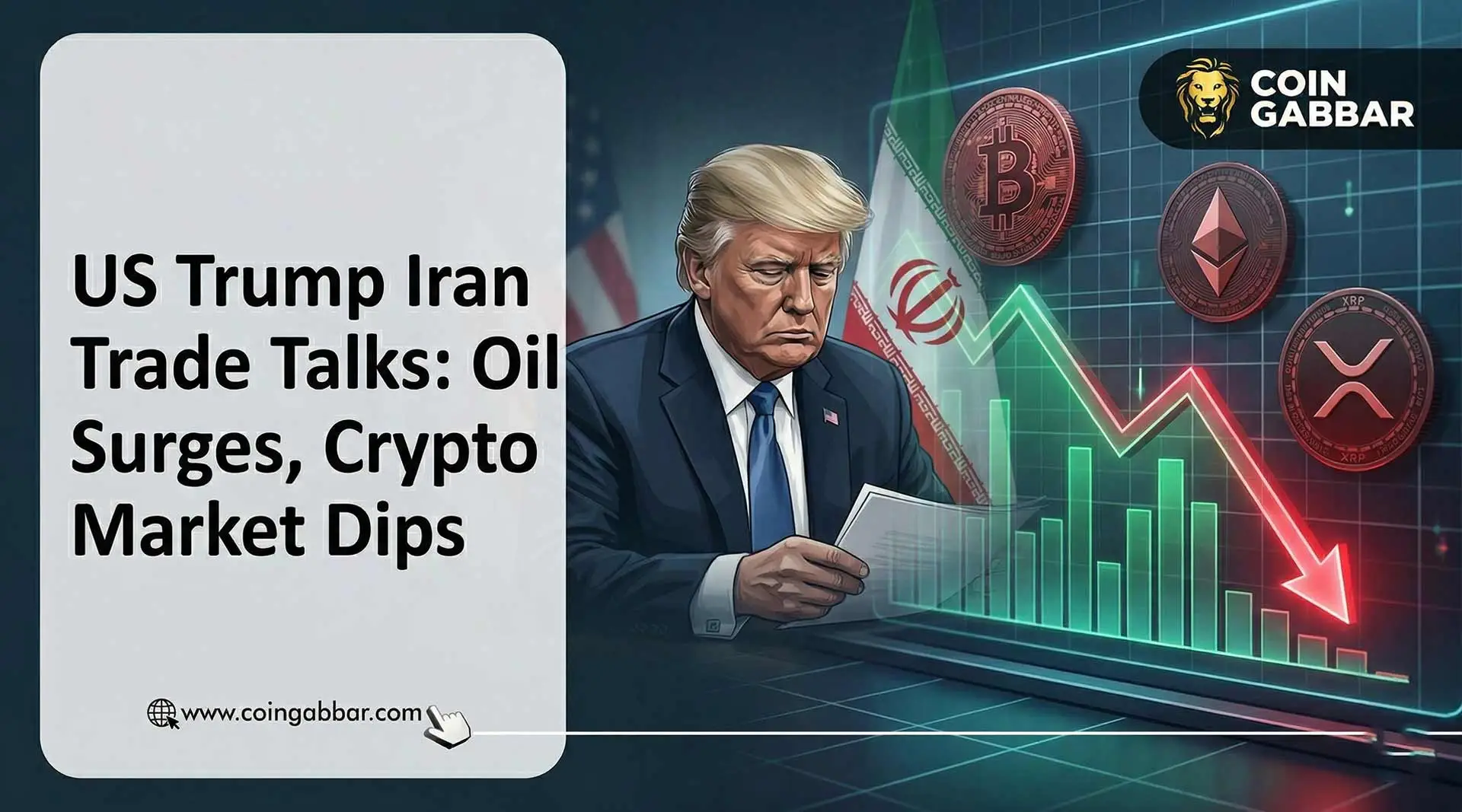
President Donald Trump raised pressure on Iran after weekend peace talks in Pakistan stalled, announcing a naval blockade of the Strait of Hormuz. Two U.S. destroyers crossed the waterway on April 11 and began mine-clearing operations. Brent crude jumped above $101 a barrel, while U.S. crude topped $104. Bitcoin fell to around $70,897 on the day, with Ethereum also trading lower.
Islamabad Talks Collapse
The Islamabad talks—described by AP as the highest-level U.S.-Iran contact since 1979—made some progress but ultimately failed over Tehran's nuclear program. Pakistan had helped broker the earlier ceasefire, making the deadlock more notable. Trump said allied help could follow in clearing munitions from the strait and named the UK as a possible partner, though British officials later signaled they would not join the blockade, only support navigation protection.
Military Moves in Hormuz
U.S. Central Command said a blockade would start Monday for vessels entering or leaving Iranian ports. Reuters and AP reported that non-Iranian traffic could still pass, meaning the closure is not total. Iran's Revolutionary Guards warned that military vessels near the strait would count as a ceasefire breach. The current truce is due to expire on April 22, keeping traders on edge.
Energy Shock Hits Crypto Markets
Roughly one-fifth of the world's seaborne oil moves through the strait. Even a partial blockade can rattle fuel prices, freight costs, and inflation fears within hours. Asian equities fell as supply risks weighed. In crypto, Bitcoin traded near $70,897, and the story spread quickly across crypto-focused social feeds, turning a military headline into a broader market watchpoint for both newcomers and active traders.
The clearest signal now is rising energy risk. If shipping stays disrupted, traders in oil, stocks, and crypto will watch naval moves in Hormuz and any fresh diplomatic opening. (Disclaimer: This article is for information only, not financial advice. Geopolitical headlines can move crypto, oil, and equities very quickly; readers should verify new reports and market data before making any trading or investment decisions.)