
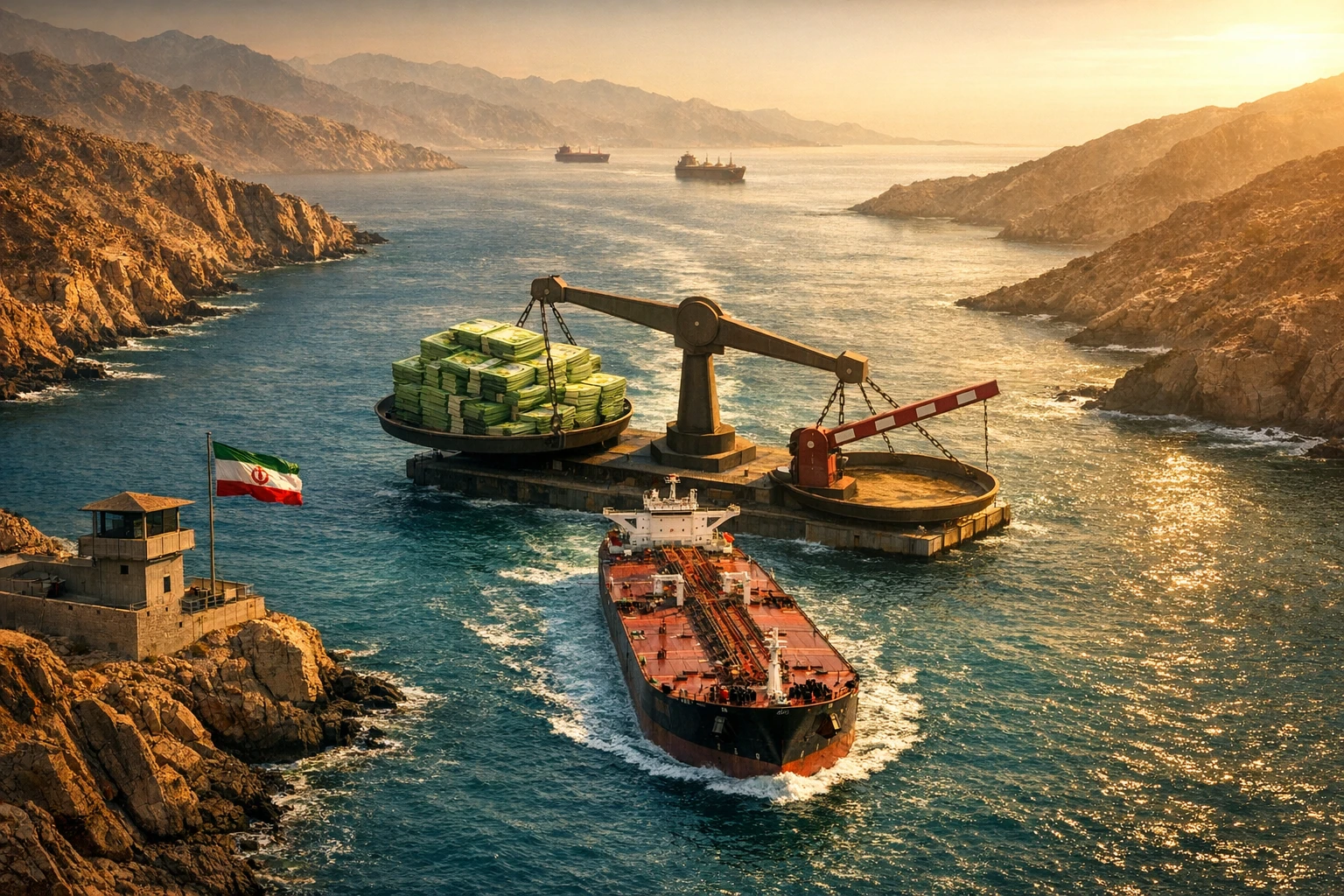
As the US-Iran conflict escalates, President Trump posted on Truth Social on the evening of July 14, claiming the US military had destroyed 100% of Iran's military capabilities while specifically calling on China, France, Japan, South Korea, and the United Kingdom to send naval vessels to secure the Strait of Hormuz's openness and safety. The unusual naming of China drew particular attention.
UK Weighs Mine-Clearing Drones, China Urges Ceasefire
UK defense sources say the government is assessing the deployment of mine-clearing drones to address security in the Strait. China's embassy in Washington called for an immediate end to hostilities, emphasizing all parties' responsibility to ensure stable and unhindered energy supplies. Trump warned that even with Iran's military crippled, it could still launch drones, lay mines, or fire short-range missiles along the waterway. He pledged to continue intense bombardment of the coastline and sinking of Iranian vessels. However, US Energy Secretary Chris Wright earlier admitted the military is not yet ready to escort vessels through the Strait. Reuters, citing sources, reports that shipping operators' repeated requests for US Navy escort have been denied due to high risk, highlighting a gap in execution.
Diplomatic Exemptions: India, Turkey Secure Passage via Direct Talks
On the diplomatic front, some nations have gained passage exemptions through direct negotiations. Two Indian oil tankers received clearance after India's Prime Minister met directly with Iran's President; Turkey secured similar passage through bilateral talks. This demonstrates that while the US seeks a multilateral escort framework, certain states are bypassing the US-led coalition and negotiating passage directly with Tehran. Iran's foreign minister clarified that blockades target only enemy and allied vessels, not all shipping.
Analyst: Coalition Call a 'Desperate Move' in Information War
Andreas Krieg, a Middle East security expert at King's College London, dismissed Trump's coalition proposal as "a desperate move in an information war to calm markets," lacking a feasible military or diplomatic plan. He noted that China remains a key economic partner of Iran, while France, Japan, South Korea, and the UK each face high political costs in unilaterally cooperating with US escort operations without international authorization.