

A $518 entry point replaces the $55,000 threshold
Buying a seat at a dinner with Donald Trump once required at least $55,000 worth of tokens. This year, an investor identified as Michel qualified for the event after buying only $518 worth of TRUMP.
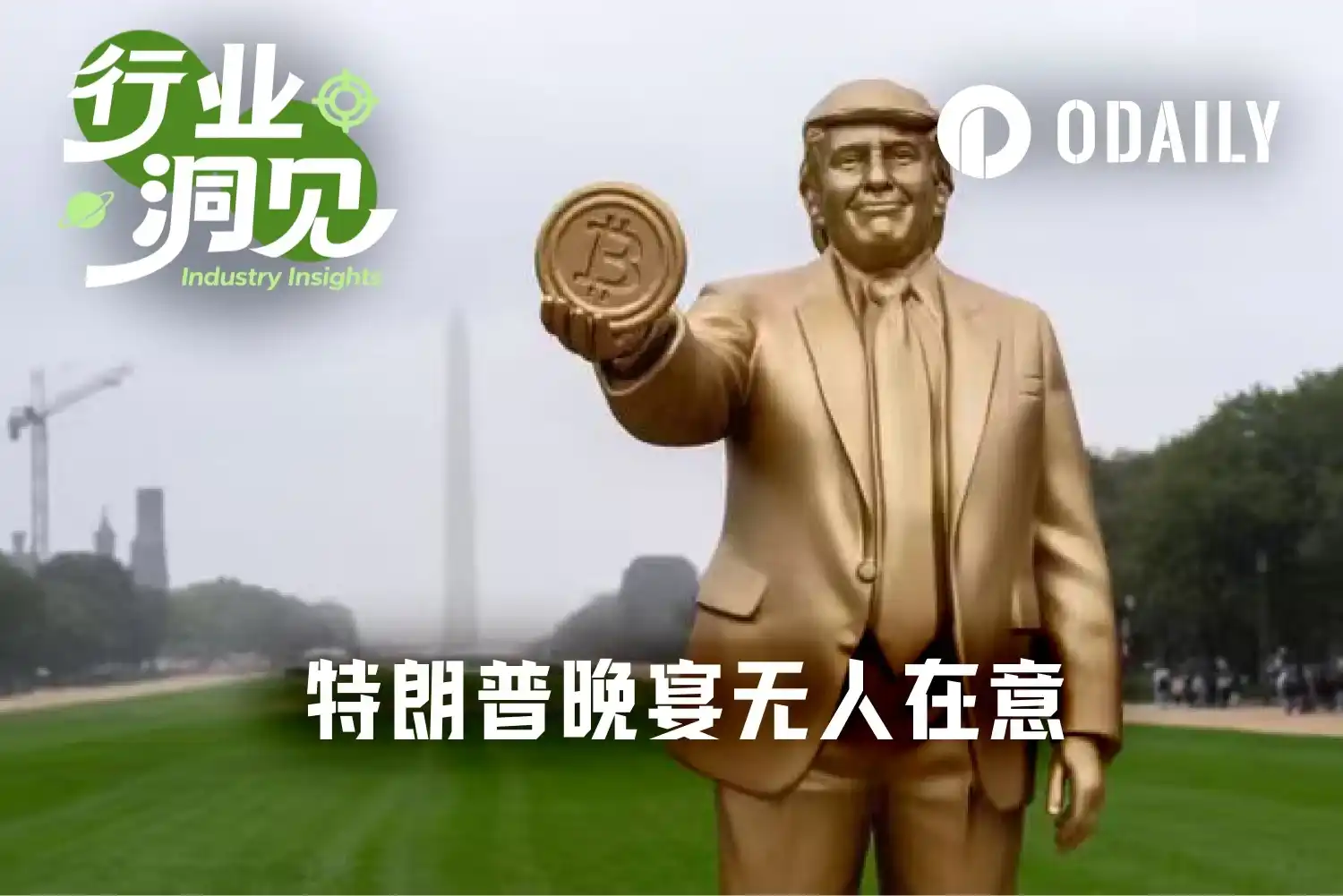
Trump hosted the third dinner for TRUMP token holders on November 22, local time, at Trump National Golf Club in Virginia. The event looked markedly smaller than the first dinner in May, when investors competed for seats and wealthy buyers committed large sums. The venue was reduced in size, while the treatment and atmosphere were difficult to associate with a lavish presidential dinner.
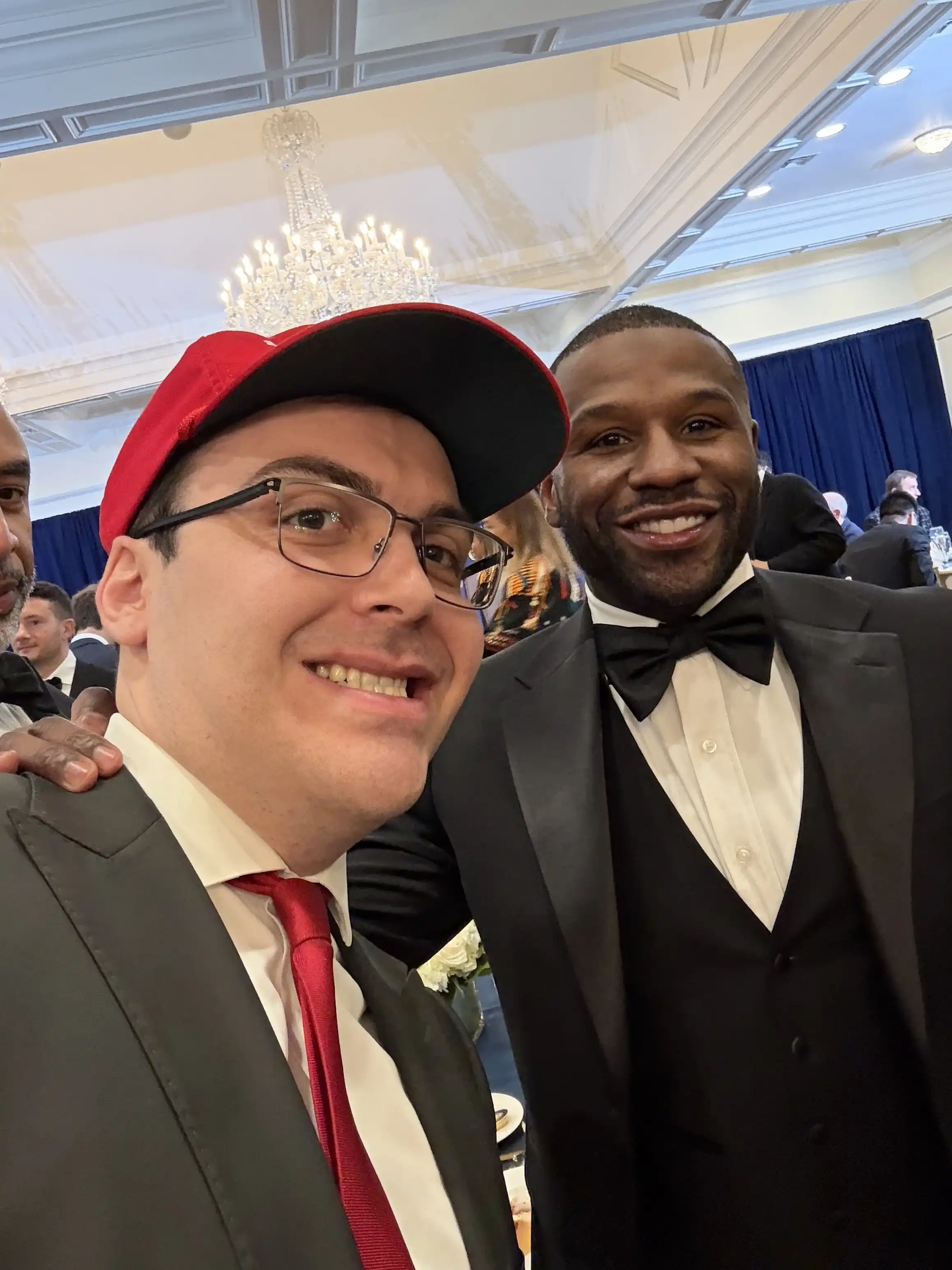
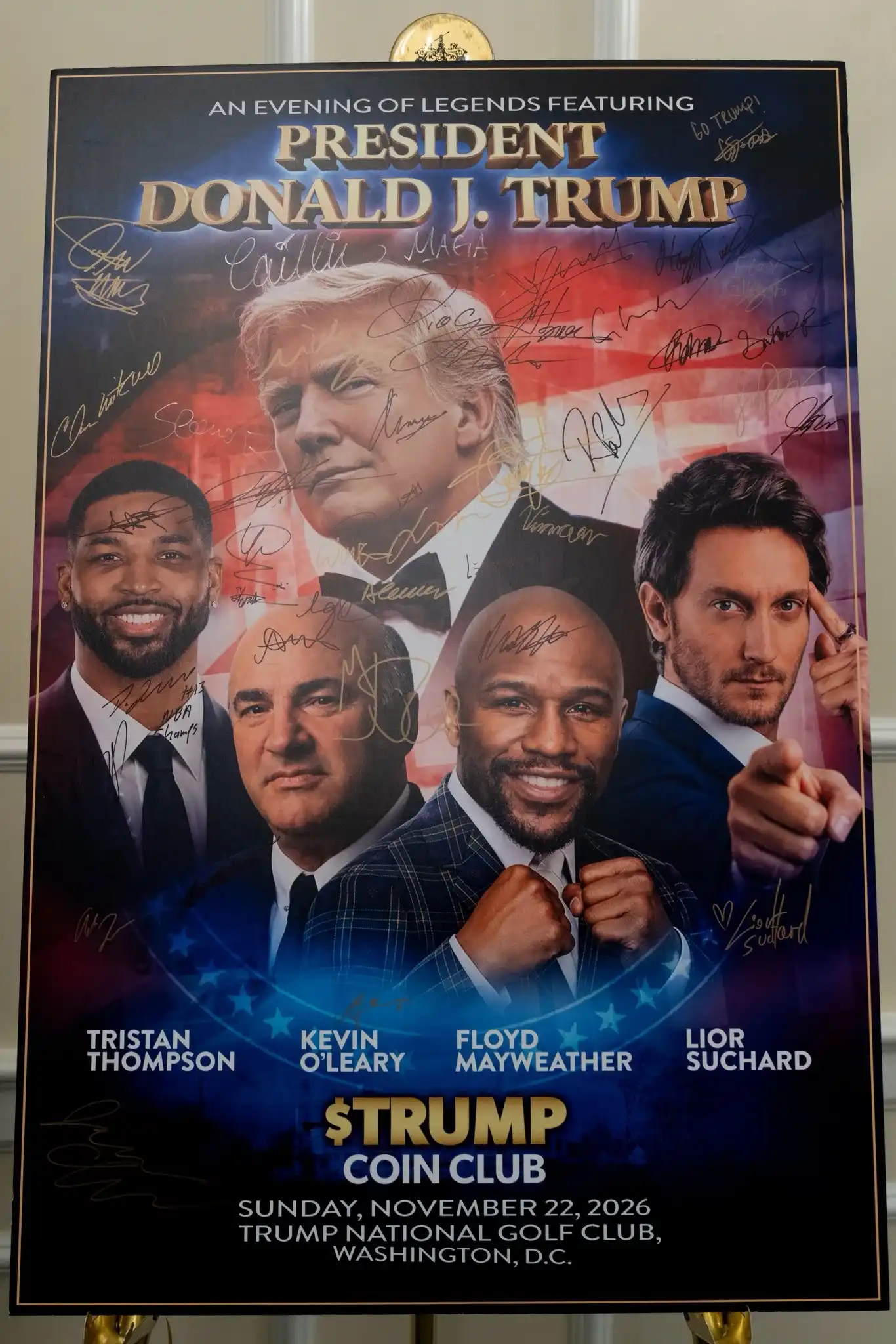
Foreign media reports described a room with few female guests. Some attendees reportedly wore rented formal clothing. Boxer Floyd Mayweather and former NBA player Tristan Thompson were invited to support the event, but the dinner still failed to fill all seats. The menu included an autumn salad, filet mignon, halibut and New York cheesecake, along with wine carrying the Trump brand.
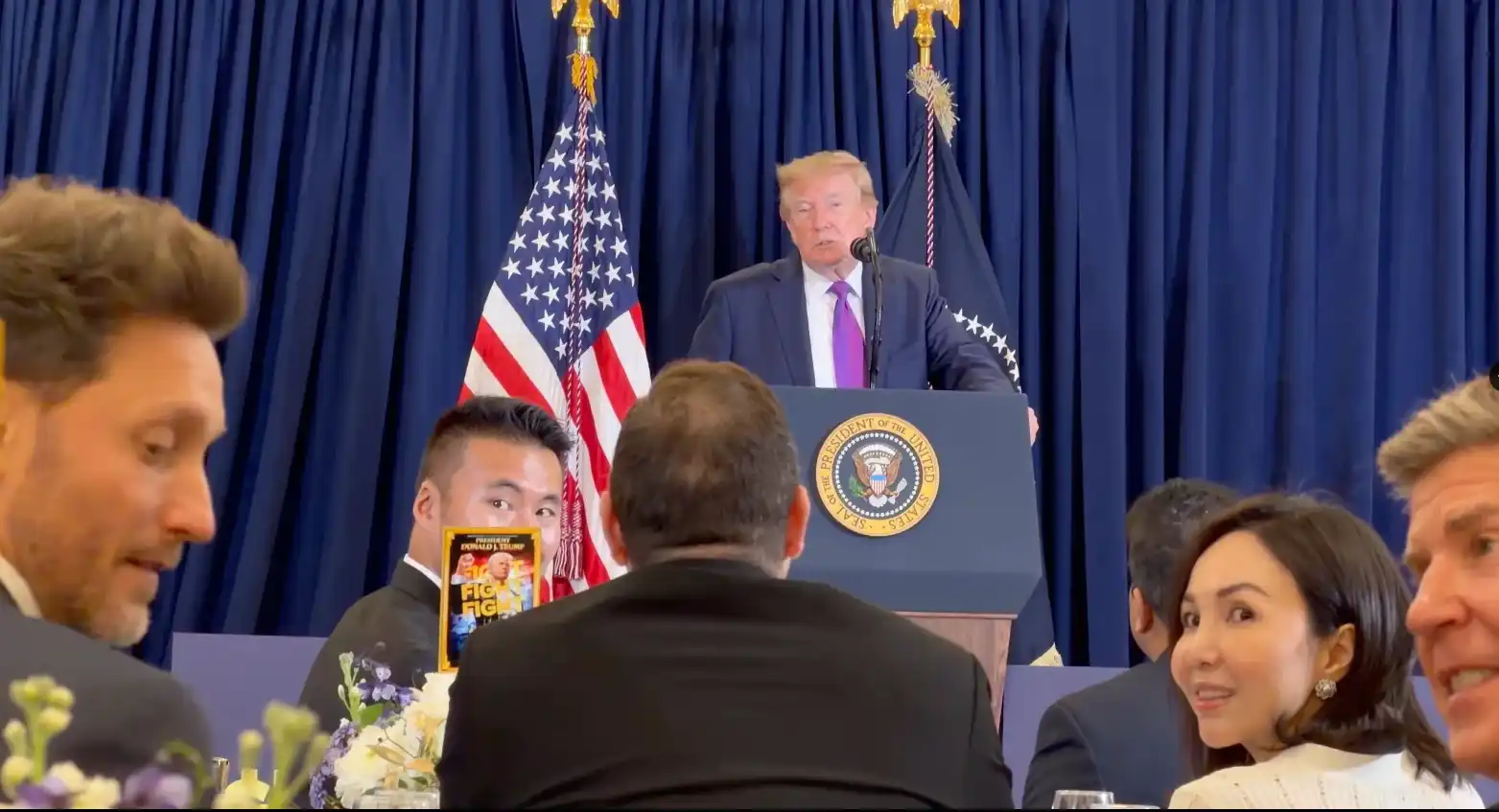
Trump spoke for about 40 minutes and answered questions from TRUMP holders about topics including Chinese food, artificial intelligence and Elon Musk. No guest was given a private conversation with the president. The four attendees with the largest token holdings could take home an 18-karat gold Trump watch; everyone else received a merchandise gift bag.
Secrecy did not create much attention
Organizers imposed strict confidentiality measures. Attendees did not begin releasing photographs and video clips from the dinner until November 24, two days after the event.
There were 185 guests in total. Morten Christensen obtained VIP eligibility by buying TRUMP in the spot market while shorting the token. After he shared his experience with media outlets before the dinner, his seat was downgraded. Staff also asked him to leave as Trump was about to speak. Because he bought the token and shorted it at the same time, Christensen did not end up losing money. He finished $6 ahead.
On social media, the dinner was mostly treated as a subject for jokes. It did not generate the attention of a normal crypto project event, let alone the broad response seen around the earlier Trump crypto dinners.
Holdings and trading activity have cooled
The decline is clearer in the entry requirements and the public wallet data.
At the first dinner in May 2025, 220 wallets competed for the chance to dine with Trump. Participants collectively bought about $148 million worth of TRUMP to secure places. The top 25 investors alone committed more than $111 million. A holder needed roughly $55,000 worth of tokens to enter the dinner ranking. Justin Sun attended that event as the holder ranked first.
Before registration closed on November 16 this year, the final public ranking showed only 130 wallets holding a combined 9.79 million TRUMP, worth about $9.1 million. That was roughly 94% below the $148 million shown on the ranking for the first dinner. The wallet ranked first held about $1.65 million worth of TRUMP, compared with $18.5 million for the top wallet at the first event, a decline of about 91%.
Michel bought $518 worth of TRUMP between October and November and reached rank 179, enough to qualify for the dinner. At the current price, however, the value of those tokens has since been cut by nearly half.
Organizers extended the registration deadline by four days in an effort to fill the room. The original target was still not reached. More than 5,000 wallets reportedly met the holding requirement but did not register.
TRUMP’s market response also differed from the reaction to the first two dinner announcements. The token launched in January 2025 and reached an all-time high of $73.43 within two days. It now trades at $0.86, down about 99% from that peak.
During the two weeks after the first two dinner announcements, TRUMP’s trading volume expanded to four to eight times its previous level. Futures open interest more than doubled, and the token price also rose. Around the latest dinner announcement, trading volume instead fell about 35% over two weeks, the price declined about 9%, and open interest was largely unchanged.
Democrats turn congressional scrutiny toward the Trump family’s crypto ventures
The subdued dinner came as the political environment around Trump changed. After the midterm elections in early November, Republicans suffered a major defeat and Democrats regained control of both chambers of Congress. Democrats won 258 seats in the House, their largest House majority since 1992, and 56 seats in the Senate, their largest Senate majority since 2009.
Democrats then began using congressional investigative powers to examine the Trump family’s business dealings. On November 5, Democratic Representative Robert Garcia, who was expected to become chair of the House Oversight Committee, addressed the Trump camp on X: 「Get good lawyers.」
In mid-November, Garcia sent a document-preservation notice to 12 members of the Trump family and its inner circle. The notice asked them to preserve documents and communications related to potential investigations. The recipients included Trump’s two sons, Donald Trump Jr. and Eric Trump, his son-in-law Jared Kushner, and Vice President JD Vance.
The inquiry extends to the Trump family-linked World Liberty Financial and Fight Fight Fight LLC, the company that issued the TRUMP token.
Last month, Adam Schiff and eight other Democrats sent a letter to the White House demanding the release of the dinner guest list. They wrote: 「The dinner and its scoring mechanism appear carefully designed to increase investment in TRUMP, enabling the president to abuse his office for personal gain, just as he has done during this term.」
Democrats have also raised national-security concerns, asking whether foreign investors could use anonymous wallets to buy tokens and gain access to the president. More than half of the wallets on this dinner’s ranking were funded through platforms that do not permit U.S. users to trade, including Binance and Bybit. That suggests some holders may be located outside the United States.
Senator Richard Blumenthal said in a statement: 「Foreign nationals and criminals are clearly happy to buy Trump’s memecoin to obtain benefits and favors. Trump appears far more interested in profiting from a pump-and-dump operation involving his memecoin than in addressing the continuing cost-of-living crisis facing Americans.」
The White House referred questions about potential conflicts of interest to Fight Fight Fight. Once Democrats formally take control of Congress in January 2027, the Trump family’s crypto businesses will face closer scrutiny.
The political premium behind TRUMP is weakening
The article frames the dinner’s decline as a story about how a political figure’s attention can be turned into a financial asset, and how that asset can lose value as the political cycle changes.
Memecoins derive much of their value from attention. Trump’s distinctive advantage was his ability to convert the visibility of the presidency into attention, and then turn that attention into token demand.
When Trump began his second term, the market held strong expectations for his political promises, crypto policy and personal influence. TRUMP was therefore treated as more than a memecoin. It acquired a political-financial premium: holding more tokens offered a better chance of getting close to the U.S. president.
As Trump’s political aura weakened, that premium lost support. The smaller dinner, lower participation, falling token price and weaker social-media response all point in the same direction.
The business model that developed over the past year was straightforward. Trump used his presidential position and personal influence to generate attention. That attention was converted into market interest and trading demand for TRUMP. The project encouraged purchases and trading through holder rankings and dinner access, while companies linked to the Trump family collected returns through token holdings and shares of trading fees.
The model generated at least hundreds of millions of dollars for the Trump family over the past year. Its sustainability, however, depended on Trump retaining strong political influence and public appeal. TRUMP has now fallen nearly 99% from its peak, Republicans have lost the midterm election, Democrats have retaken Congress, and the family’s crypto businesses face greater political scrutiny.
Those changes do not establish that the Trump family can no longer profit from crypto. They do show that a business model based largely on a presidential identity and investors’ willingness to keep paying for access has reached a turning point.



