
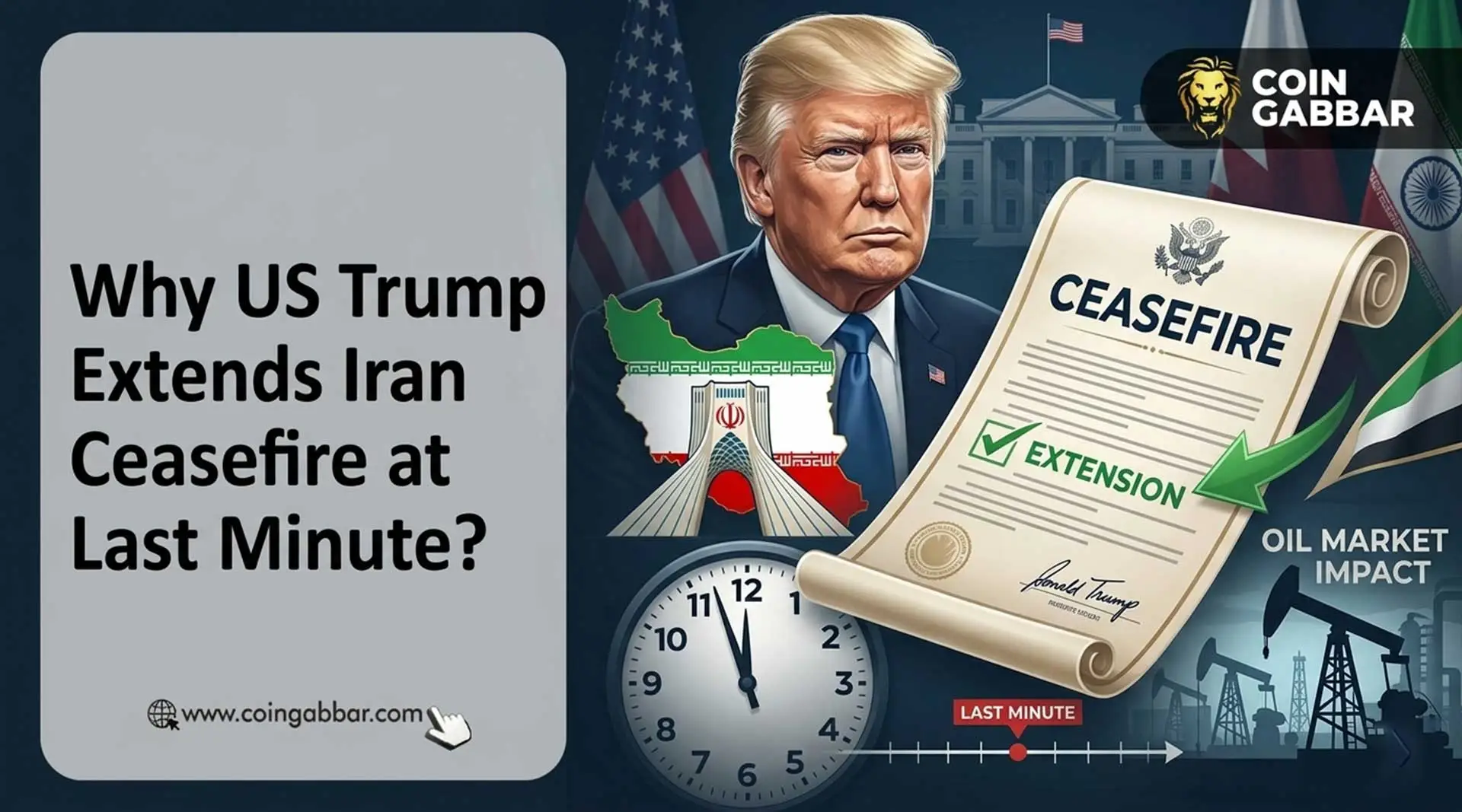
President Donald Trump said late Tuesday that he was extending the ceasefire with Iran, delaying a deadline that had been set to expire within hours. In a Truth Social post, Trump said Pakistan had asked for more time. He added that the U.S. would hold back from another strike until Iran’s leaders and representatives present a unified proposal, while the blockade of Iranian ports and shores remains in force.
Pakistan’s request shifted the timeline at the last minute
The change came after Trump had signaled earlier in the day that he did not want another extension. By evening, that position changed and diplomacy was given a new window. Pakistan Prime Minister Shehbaz Sharif publicly thanked Trump and said he still hoped talks in Islamabad could produce a broader peace agreement. Reuters, as cited in the source material, said the original two-week ceasefire began on April 8 after Pakistan brokered talks. The war began on February 28 and has killed thousands.
The Strait of Hormuz remains the central pressure point
After announcing the extension, Trump said Iran does not actually want the Strait of Hormuz closed because Tehran needs the route open to generate about $500 million a day. He argued that Iranian talk of closure was largely about saving face. Reports referenced in the material also said the strait had been described as blockaded.
The shipping lane carries major global energy flows. According to the source material, the Strait of Hormuz normally handles about 20% of global oil and liquefied natural gas supply. Shipping was still broadly halted on Tuesday, with only three vessels passing through in the prior 24 hours. That left traders focused on whether the route would reopen or tighten further.
Tehran rejects the move, while oil and risk assets react
Iranian officials pushed back quickly. Mahdi Mohammadi, an adviser to parliament speaker Mohammad Baqer Qalibaf, called the ceasefire extension a ploy and said Washington may be using the pause to prepare a surprise strike. Foreign Minister Abbas Araqchi said on X that the U.S. blockade amounts to an act of war.
Market moves reflected that strain. Early Wednesday, Brent crude traded near $98.27 a barrel and U.S. crude near $89.39, after both benchmarks had risen about 3% on Tuesday. U.S. stocks also slipped as investors weighed the uncertainty around the extension and the continuing blockade.
For crypto traders, the key issue is macro transmission rather than diplomacy alone. Energy shocks can hit broad risk appetite first, and that can move stocks, bonds, oil, gold, and digital assets in the same stretch. Iran has not clearly accepted the extension, Pakistan-backed talks remain unsettled, and the blockade is still active. Any change in the status of Hormuz could move oil quickly and alter sentiment across global markets, including crypto.