
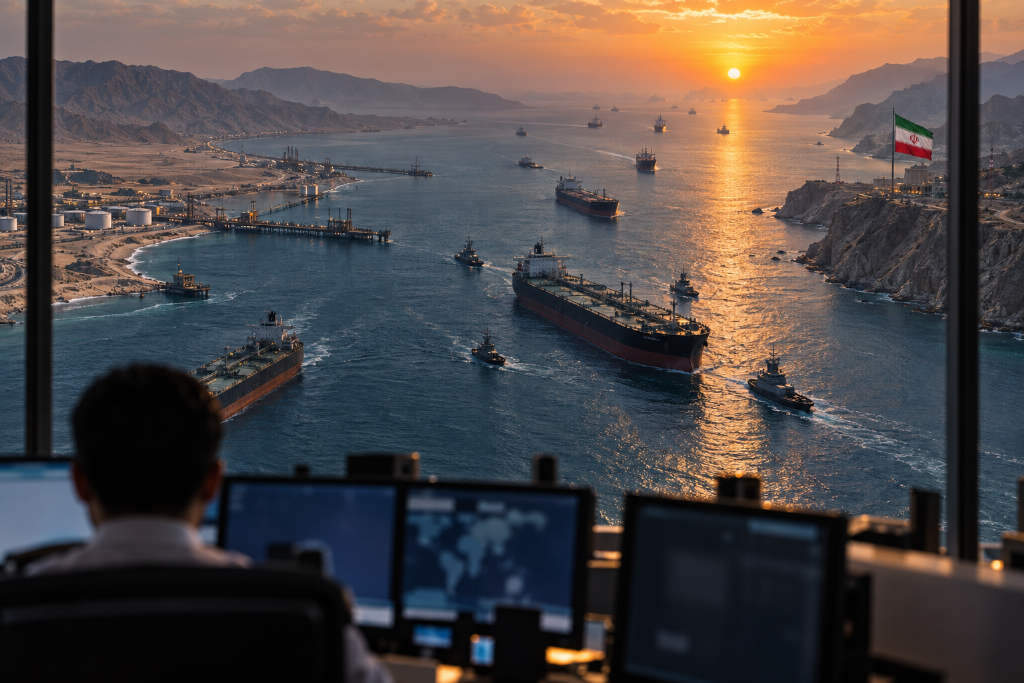
Asian markets reacted on Monday after U.S. President Donald Trump rejected Iran’s latest proposal to reopen the Strait of Hormuz. According to Bloomberg, Brent crude rose 1.3% to about $105.70 a barrel, while the yield on the 10-year U.S. Treasury increased 4 basis points to 5.20%. Government bonds in Japan and Australia with similar maturities also weakened, U.S. stock futures moved lower, and gold fell as expectations for higher rates remained in place.
Trump also said he was taking a diesel export ban "very seriously."
Iran holds its line as oil and yields move higher
Bloomberg said Iran stuck with its earlier proposal to reopen the Strait of Hormuz for seven days. After Trump rejected it, tensions in the Middle East picked up again and hit already volatile global bond markets once more. Higher oil prices added to inflation concerns and pushed Treasury yields higher.
The ABMedia report said Iran had previously set conditions for reopening the strait, and Trump had said at the time that any agreement might have to wait until after the midterm elections.
Trump did not shut the door on talks. A day after rejecting the proposal, he told Axios in a phone interview that U.S. negotiators were expected to have more contact with Iran this week.
Separately, Saudi Arabia’s crude exports through the U.S.-escorted Hormuz route rose sharply this month. Market chatter cited in the report said daily exports were up nearly 80% to around 6 million barrels, the highest level since the conflict began.
Trump says diesel export ban is under serious consideration
Another signal with implications for inflation expectations came from Trump’s comments on Sunday about diesel exports. According to financial news account Walter Bloomberg (@DeItaone), Trump said he was very seriously considering a ban on diesel exports and acknowledged that it could cause gasoline prices to rise slightly.
Asked whether the United States would attack Iran before the midterm elections, Trump said he did not want to say.
Diesel is a core fuel for freight, agriculture, and manufacturing. The report noted that Peter Schiff had previously warned that rising diesel prices were increasing the burden on businesses. A ban would aim to lower domestic diesel prices in the United States, but it could also disrupt global diesel supply and push prices higher in other regions. Trump said only that the idea was under consideration and that no decision had been made.
What it means for crypto markets
Oil and Treasury yields rising together point to continued market expectations that the Federal Reserve may keep tightening. With the 10-year U.S. Treasury yield at 5.20%, near a two-decade high, pressure remains on risk assets such as Bitcoin.
As of Monday morning Taiwan time, Bitcoin was trading at about $84,300 and Ether at about $2,680. Both were moving within 1% over the past 24 hours, with no clear price shock yet.
The report said traders would be watching three things this week: whether U.S.-Iran talks actually restart, whether a diesel export ban becomes reality, and whether U.S. jobs data due later in the week adds to expectations for more rate hikes. The Financial Times, in its week-ahead coverage, also said the employment data could put more pressure on Federal Reserve policymakers.
For crypto markets, geopolitical risk and the rate path remain the main external variables in the short term.