
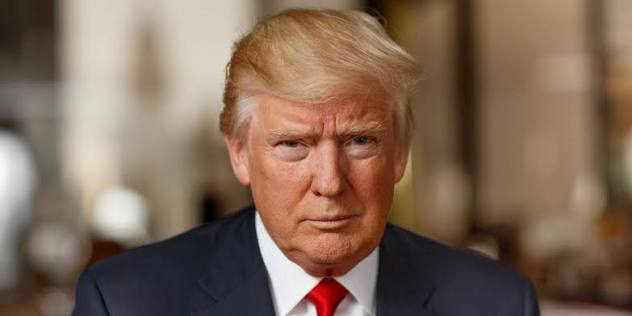
U.S. President Donald Trump warned that Iran would face "major military punishment" if the Houthis launch another attack, following what he said was an assault on two Saudi Arabian vessels the previous night.
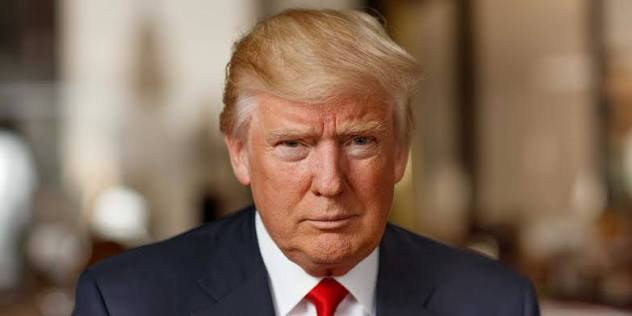
In a post on Truth Social, Trump said he was "very disappointed" by the Houthis’ actions and made clear that the United States would hold Iran directly responsible if the group strikes again. He said Washington would punish both the Houthis and Iran.
Trump says the latest attack broke a period of restraint
According to the source report, Trump said the United States had carried out a highly powerful military strike against the Houthis a year ago after the group disrupted commercial trade and attacked ships.
He said that after that operation, and especially during the period of U.S.-Iran conflict, the Houthis had behaved "very responsibly." Trump added that this period of relative calm ended when the Houthis opened fire on two Saudi vessels the previous night.
He also said he was "very disappointed" because, in his words, the Houthis had previously acted in a way that was "professional and smart."
Iran named directly in the warning
Trump used the post to set out a direct military warning tied to any future Houthi action. He said the purpose of the statement was to establish a firm position: if the Houthis attack again, the United States will assign responsibility to Iran.
He described the Houthis as a surrogate and/or proxy of Iran. If another attack takes place, he said, the U.S. response would not stop with the Houthis themselves but would also include "major military punishment" for Iran.
As framed in the report, that language points to a possible widening of the scope of any U.S. response beyond Yemen and raises the prospect of a more direct confrontation with Iran.
Geopolitical risk moves back into focus
The report says the Middle East remains a critical artery for global oil shipments and international trade, making regional stability an important macroeconomic factor.
With Trump explicitly naming Iran as a potential military target, the report says tensions around the Gulf have tightened again. It adds that if the conflict escalates in a material way, markets may begin watching for changes in international oil prices and broader safe-haven sentiment.
For risk assets including Bitcoin and other cryptocurrencies, the report says this kind of macro-level geopolitical shock is a risk signal investors should monitor in the near term.