
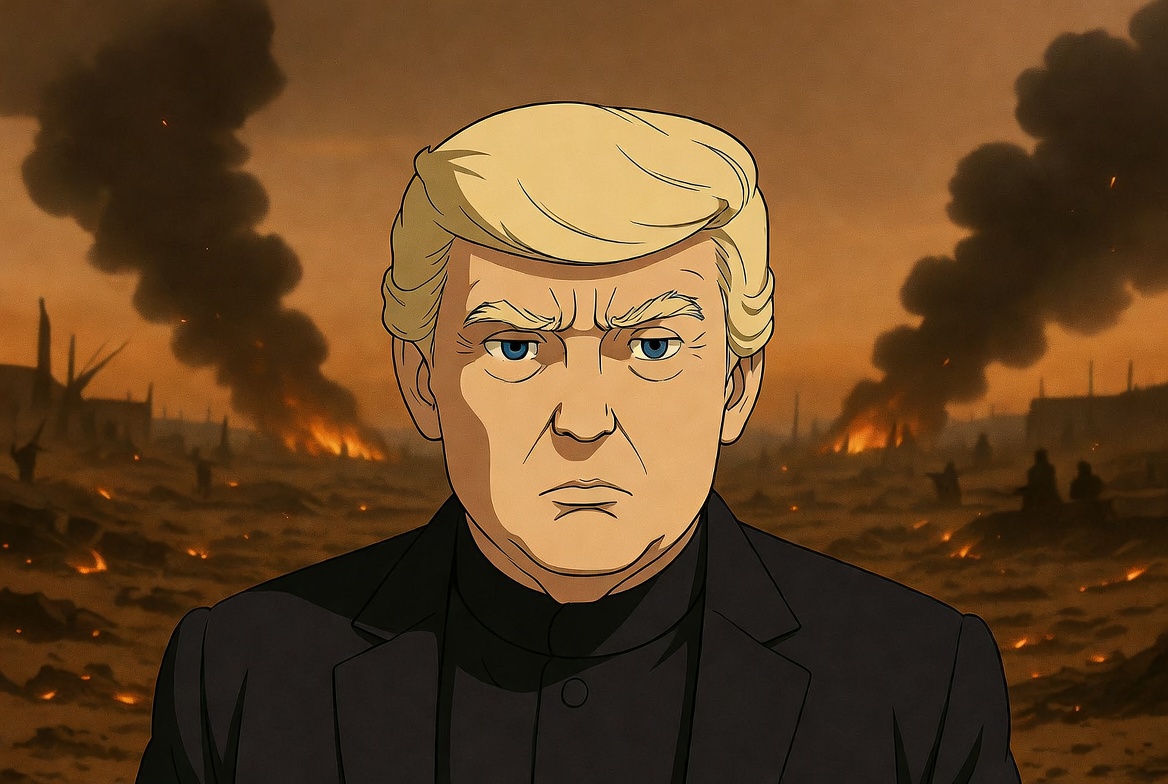
US President Donald Trump said in a Truth Social post that Washington is engaged in serious peace talks with what he called a “new, more reasonable” regime in Iran, adding that the two sides have already made major progress. In the same message, he issued a blunt warning: if an agreement is not reached in short order and the Strait of Hormuz is not reopened immediately, the US military will launch destructive attacks on Iran’s core energy infrastructure.
Oil wells, power plants, and Kharg Island named as targets
Trump said potential targets would include all of Iran’s power plants, oil wells, and Kharg Island, the country’s largest crude export terminal. He also said desalination facilities could be included. According to his post, these are strategic sites the US military has so far “deliberately not touched.” He framed such strikes as the final step that would bring US military action in Iran to an end, describing the objective as blowing up and flattening those assets.
Trump links the threat to 47 years of “terror rule”
Explaining the rationale for possible escalation, Trump said it would serve as retaliation for what he described as 47 years of “terror rule” under the old regime, which he accused of killing many American soldiers and innocent civilians. His wording also suggested that Washington is now publicly tying diplomacy to the prospect of political change inside Iran.
Energy transit and risk assets move back into focus
The remarks put the Strait of Hormuz at the center of market attention again. As a crucial energy corridor, any change in its operating status can affect expectations for global crude flows. The source material notes that Trump’s threat could send shockwaves through WTI and Brent crude pricing and weigh on broader risk assets.
For crypto markets, the near-term watchpoints are clear: whether Hormuz is reopened, and whether rising safe-haven demand shifts capital flows around Bitcoin (BTC) and other assets. Trump’s latest statement combined reported diplomatic progress with an explicit military ultimatum, leaving geopolitical risk elevated.