
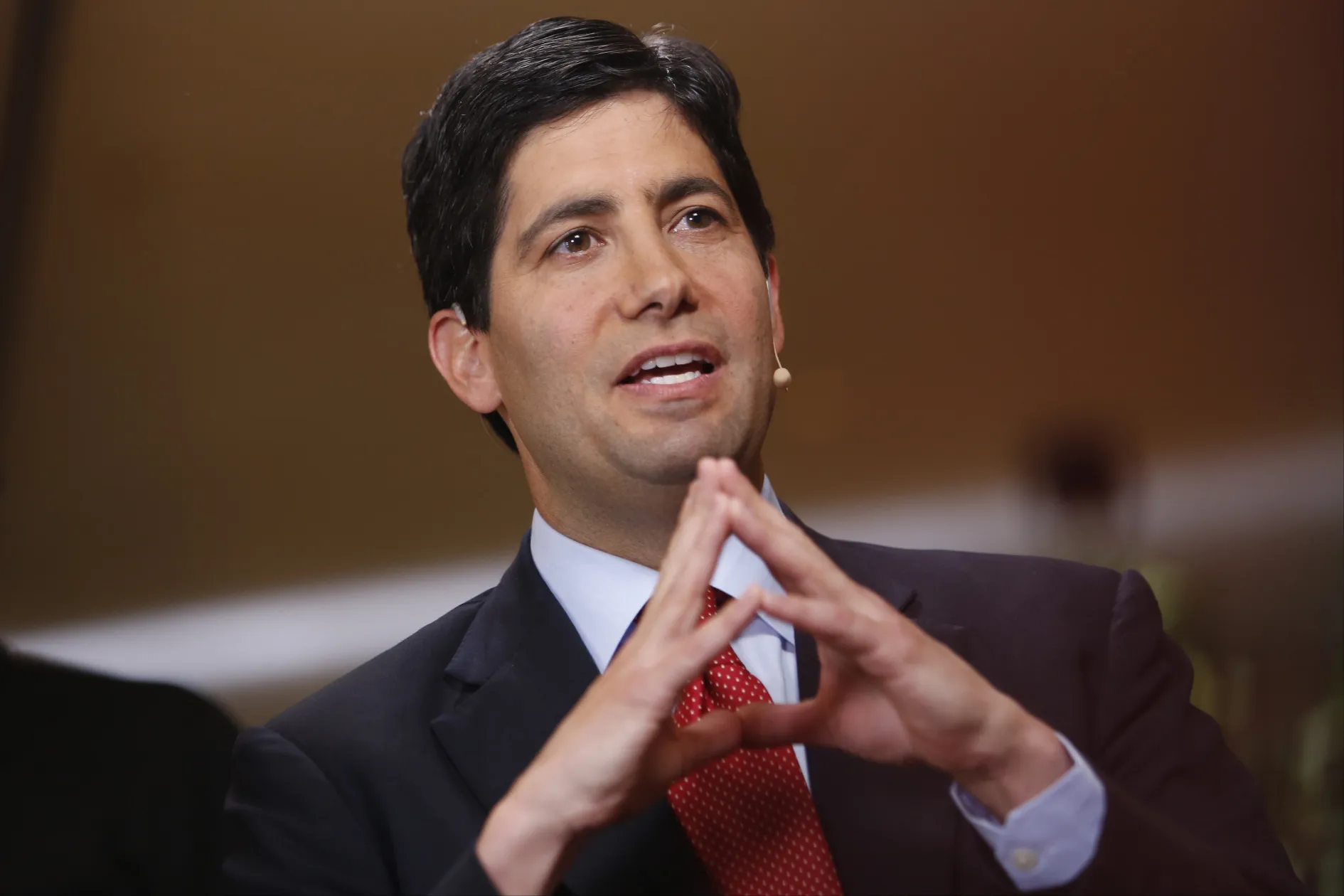
President Donald Trump has formally nominated Kevin Warsh to become the next chair of the Federal Reserve, replacing Jerome Powell when Powell’s term ends in May 2026. The move ends months of speculation over Fed succession and has quickly shifted market attention back to the path of U.S. interest rates.
Warsh emerges after months of speculation
Trump announced the nomination on January 30, 2026. Warsh had also been considered during Trump’s first term in 2017, before Powell was ultimately chosen. Trump has repeatedly criticized Powell over the pace of rate cuts, arguing that the Fed did not move fast enough to support the White House’s economic stimulus and growth agenda.
According to White House information cited in the report, the selection followed several rounds of screening. Other contenders included National Economic Council Director Kevin Hassett, current Fed Governor Christopher Waller, and senior executives from BlackRock, with Warsh winning out in the end.
Trump highlights Warsh’s academic and policy background
In a post on Truth Social, Trump said he has known Warsh for many years and has no doubt about his abilities, adding that Warsh could become “one of the greatest Chairmen in the history of the Fed.” Trump said Warsh is currently a distinguished visiting fellow in economics at Stanford’s Hoover Institution, a lecturer at Stanford Graduate School of Business, and a partner with Stanley Druckenmiller at Duquesne Family Office LLC.
Warsh previously served on the Federal Reserve Board from 2006 to 2011 and became the youngest Fed governor in history at age 35, according to the report. Before joining the Fed, he worked from 2002 to 2006 as special assistant to the president for economic policy and executive secretary of the National Economic Council, and earlier held roles in mergers and acquisitions at Morgan Stanley in New York.
June 2026 cut odds move higher
Market expectations for monetary policy shifted modestly after the nomination. Data from the CME FedWatch tool showed that traders now see the probability of a rate cut at the June 2026 FOMC meeting as close to 50%, slightly higher than before Warsh was nominated. The adjustment was limited, but it showed that traders are already recalibrating policy expectations around the incoming leadership change.
Senate confirmation still stands ahead
Warsh still needs to be confirmed by the U.S. Senate. The report said his chances are viewed as relatively high with Republicans controlling the chamber, though hearings are expected to focus on the Fed’s independence and on whether the central bank could face greater policy pressure from the White House in the future.