
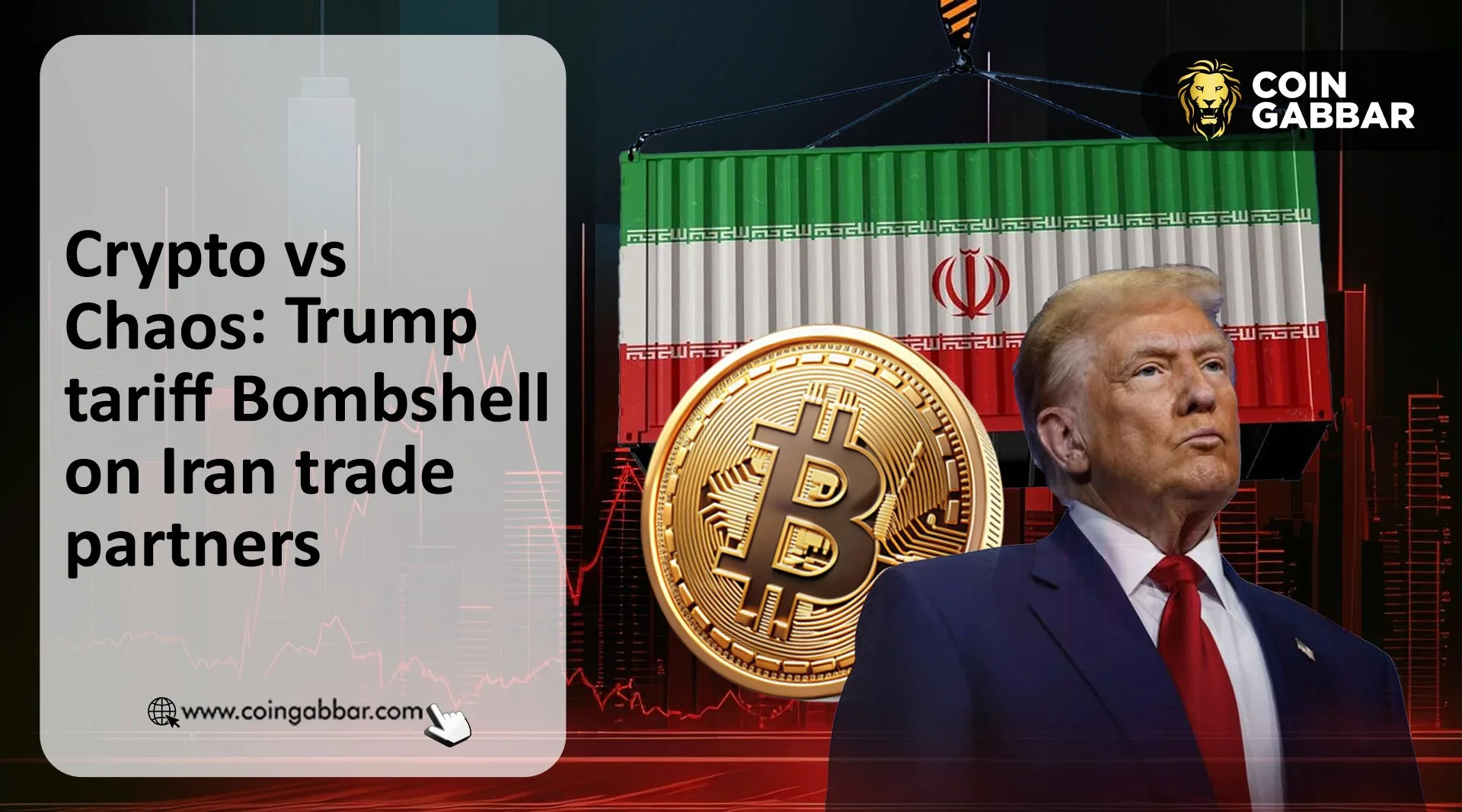
President Donald Trump signed an executive order this week authorizing the U.S. government to impose extra tariffs of up to 25% on countries that do business with Iran. The order allows U.S. trade officials to apply added duties to imports from nations that directly or indirectly buy goods or services from Tehran. The White House described the move as necessary to protect U.S. national security, foreign policy, and economic interests, while critics said it could widen trade conflict and add to global instability.
The order reaches beyond direct trade with Tehran
The measure is part of a broader U.S. push to isolate Iran economically and pressure its partners to cut commercial ties. Based on the source material, the scope is not limited to governments or firms with direct transactions. It also covers countries involved in indirect purchases of Iranian goods or services, making the potential reach much broader. That detail has put global trade participants on alert as they wait to see how any enforcement would be carried out.
Long-running U.S.-Iran friction remains the backdrop
Tensions between Washington and Tehran have stretched across decades. The source traces the dispute back to Iran’s 1979 revolution, with later conflicts tied to Tehran’s nuclear ambitions, regional influence, and support for groups the U.S. considers hostile. Washington has already used sanctions against Iran’s oil, banking, and energy sectors, citing suspected nuclear weapons work, its ballistic missile program, and support for proxy forces in the Middle East. This new order keeps that pressure campaign in place, but uses tariffs as an added tool.
Why crypto traders are watching the announcement
The source says the tariff threat is already rippling across financial markets, including digital assets. During periods of geopolitical stress, some investors move toward alternatives such as Bitcoin and other cryptocurrencies that sit outside traditional financial rails. At the same time, crypto remains highly sensitive to broader macro pressure. If major economies respond with countermeasures, price swings could grow sharper. The article also notes that Iran has increased its use of cryptocurrencies as it faces restrictions in international banking channels, drawing attention from U.S. regulators focused on sanctions enforcement and illicit finance.
Crypto market data turned higher after the news
According to CoinMarketCap data cited in the source, the global crypto market capitalization rose to nearly $2.34 trillion over the past 24 hours, while daily trading volume stayed above $204.89 billion. Bitcoin was up about 5.7% on the day, and Ethereum gained close to 7.8%. Those moves pointed to a degree of stabilization after recent uncertainty, even though the tariff proposal is aimed at trade partners rather than crypto networks themselves.