
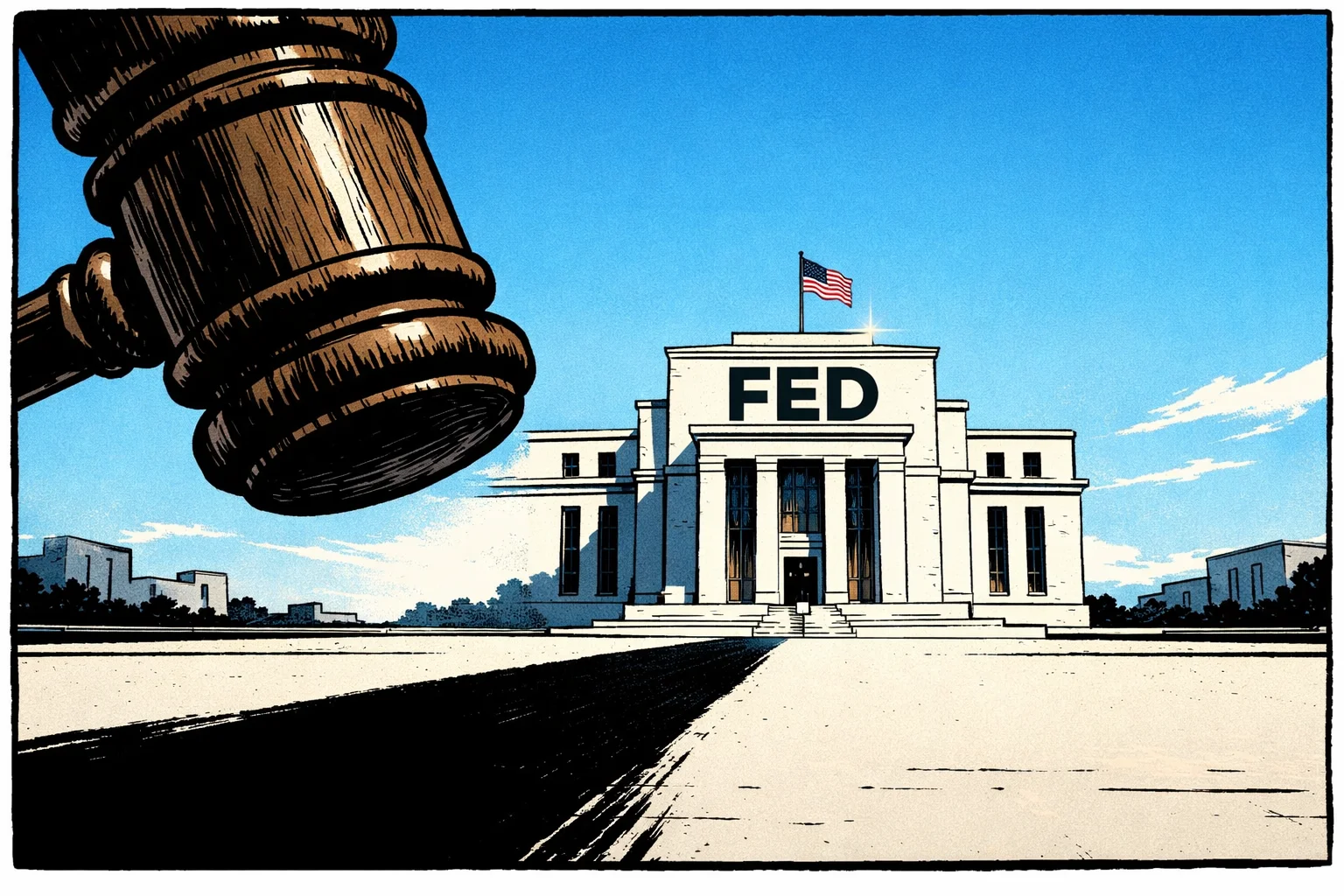
President Donald Trump on January 30 formally nominated former Federal Reserve Governor Kevin Warsh to succeed Jerome Powell as Chair of the Federal Reserve, a move that immediately stirred political turmoil in Washington. Senator Elizabeth Warren, the top Democrat on the Senate Banking Committee, publicly urged a halt to the confirmation process until the investigations into Powell are concluded, warning that the Fed's independence faces an unprecedented political attack.
Trump's Pick: High Praise and Unusual Criteria
Trump described Warsh on his social media platform as "one of the greatest ever Fed chair candidates" and added a characteristic remark about his "looks and skills meeting the central casting standard." Warsh served as a Fed governor from 2006 to 2011, bringing deep experience in financial markets and policy. The nomination still requires Senate confirmation.
Warren Fires Back: Political Witch Hunt
In a statement released soon after the announcement, Warren said no Republican who truly values Fed independence should support advancing Warsh's nomination until the Trump administration ends its investigations into Powell and Fed Governor Lisa Cook. She called the probes a "political witch hunt" targeting Fed leadership.
Warren noted that Trump has openly said anyone who disagrees with him cannot become Fed chair, and suggested Warsh has passed Trump's "loyalty test." She also criticized Warsh's policy stance during the 2008 financial crisis, arguing he prioritized helping Wall Street institutions over millions of unemployed Americans. Warren questioned whether Warsh could truly lead the Fed independently without White House influence.
Market in Focus: Monetary Policy and Institutional Trust at Stake
With the confirmation timeline uncertain, markets are closely watching the political standoff. Analysts say the Fed chair pick not only shapes future monetary policy but also affects global confidence in the independence and stability of the U.S. central bank. Whether Warsh's nomination can pass the Senate will be a key indicator for the near-term political and economic landscape.