
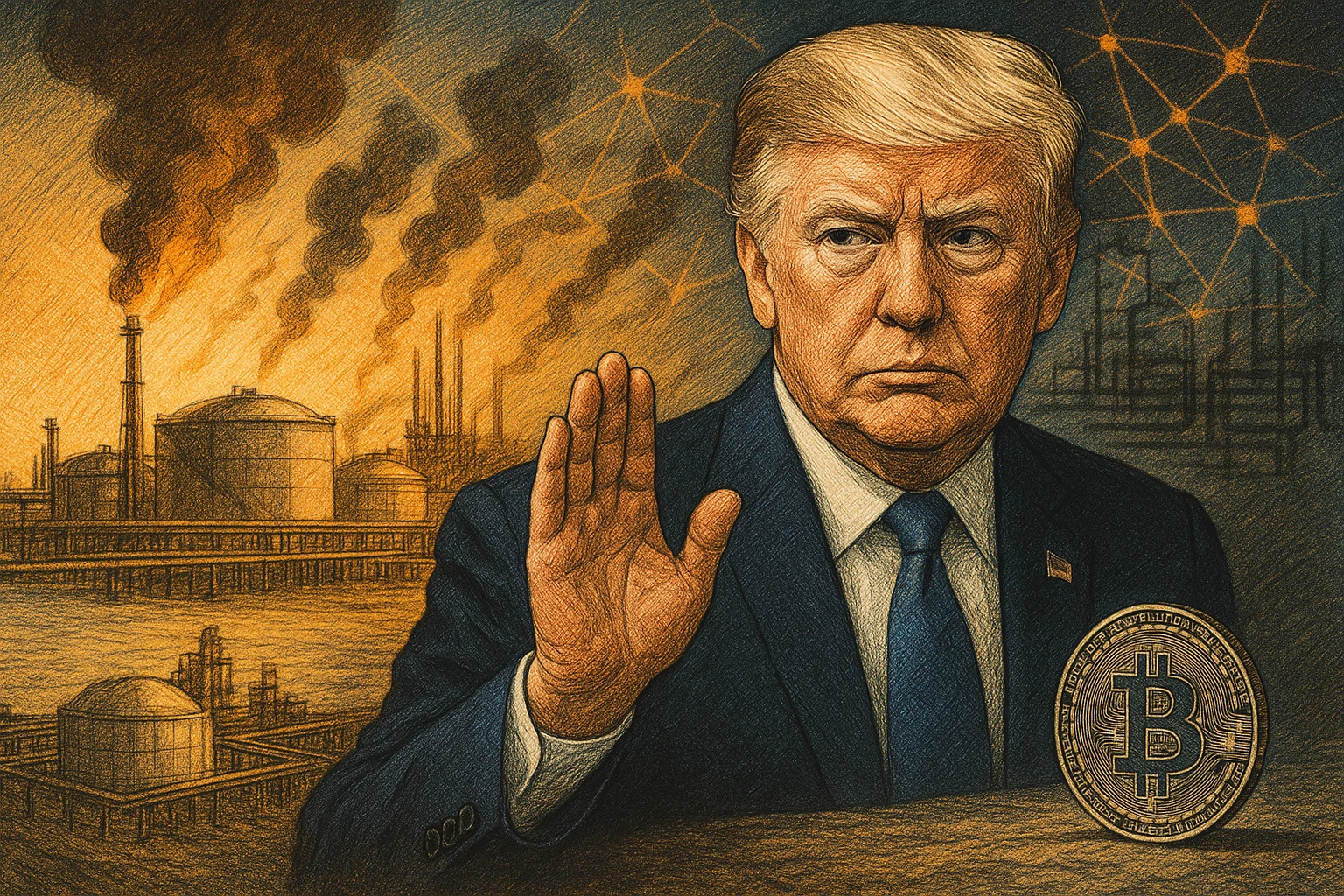
The latest escalation in the U.S.-Iran conflict has put Kharg Island back at the center of market attention. Over the weekend, Donald Trump told reporters that Iran’s retaliation after U.S. strikes had been greater than expected, adding that “nobody thought they would hit Gulf countries.” The remark pointed to a clear misread of Tehran’s willingness to respond.
Kharg Island seen as the most sensitive pressure point
Trump’s comments on Kharg Island drew the strongest reaction. On social media, he said U.S. forces had heavily bombed the island but had not destroyed its oil infrastructure, then added that “those pipelines will have problems sooner or later.” Kharg Island, located in the northern Persian Gulf, handles about 90% of Iran’s crude exports and is widely viewed as the backbone of the country’s oil trade.
JPMorgan estimated that if Kharg Island were to fall under U.S.-Israeli control, Iran’s oil production would be cut in half. Brent crude has already reflected that risk. During the current round of confrontation, it briefly touched $112 per barrel.
Iran threatens broader energy retaliation
Iran’s armed forces spokesperson responded with a direct warning: if the U.S. attacks Kharg Island, the oil and gas facilities of all countries involved in the attack will become targets for Iran. That statement widened the scope of potential retaliation beyond the immediate battlefield and tied energy infrastructure to any future military move.
Iranian President Pezeshkian repeated that Tehran did not start the war and said resisting aggression is its legitimate right. He also criticized the use of U.S. military bases in the region against Iran and said discussion of ending the war is meaningless unless Iran receives guarantees that its territory will no longer be attacked.
Split over Hormuz escort mission as Bitcoin holds above $71,000
Divisions also emerged among U.S. partners over security in the Strait of Hormuz. German Chancellor Friedrich Merz said Germany would not join escort operations in the strait and would not take part in the conflict in the Middle East. Trump then called on Japan, South Korea, and other European countries to share responsibility for protecting navigation through the waterway.
The Strait of Hormuz carries about 20% of global oil trade, making any disruption a direct threat to international energy flows. Against that backdrop, the source article noted that Bitcoin remained above $71,000, holding its ground even as geopolitical tension continued to ripple across oil and broader risk markets.