
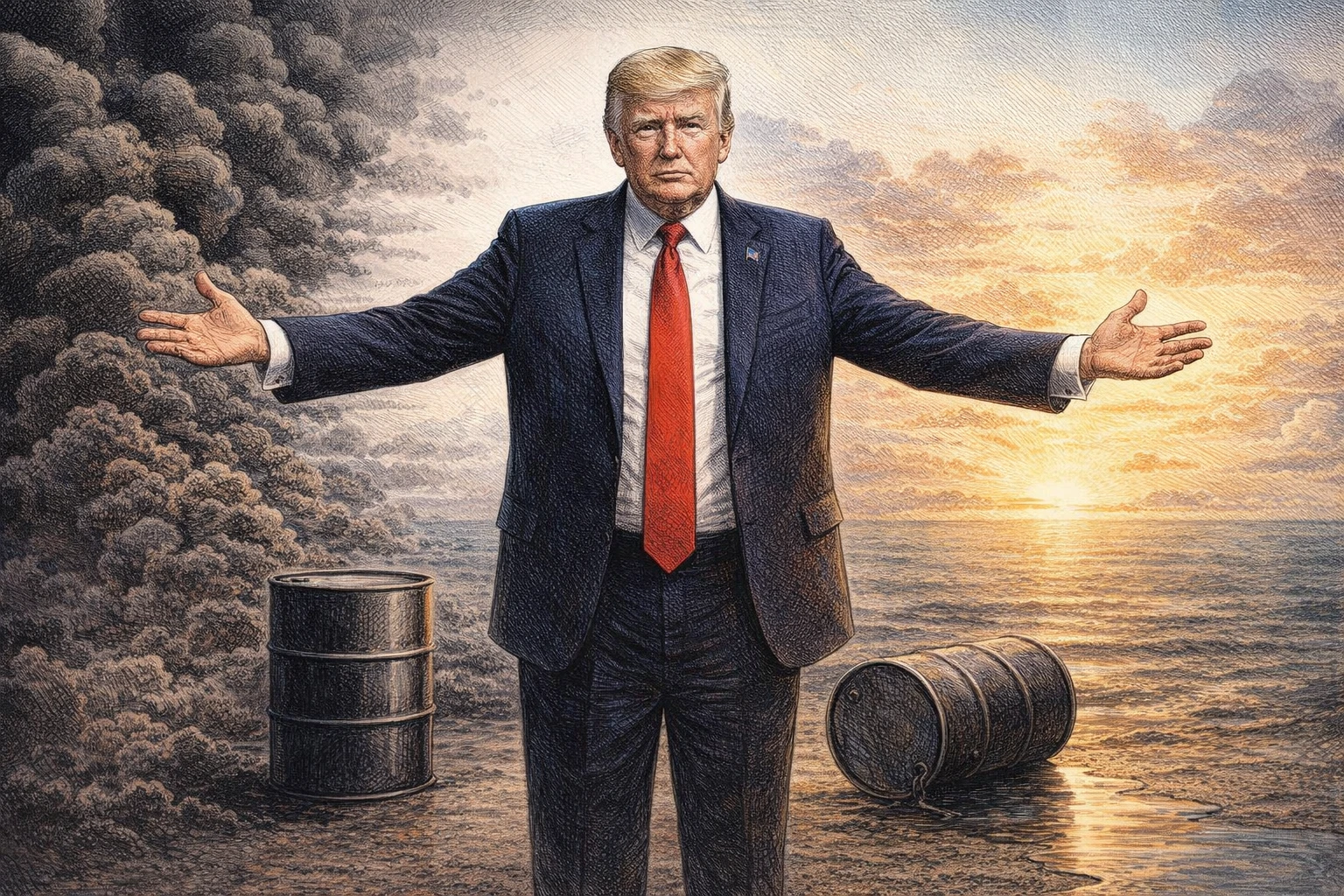
Trump said the United States had ended its war with Iran, adding that Tehran agreed it would never possess nuclear weapons. Speaking at a telephone rally in Georgia on June 12, he said that demand accounted for 95% of the agreement and described the understanding between the two sides as “very strong.”
The announcement followed a compressed 36-hour stretch of escalation: a White House Situation Room meeting, US airstrikes on targets inside Iran, Iranian retaliation, a declared closure of the Strait of Hormuz, and then a shift toward claims that a deal had been reached. The pace was abrupt. Public messaging changed within hours.
Late-May talks stalled after new US conditions
According to Axios, Trump had been close to a preliminary agreement with Iran by late May. After a May 29 White House Situation Room meeting, the US added two new conditions: Iran had to begin diluting its enriched uranium stockpile within 60 days, and it had to pledge not to charge transit fees to vessels passing through the Strait of Hormuz.
In return, the US agreed that nuclear material could remain in Iran for processing under supervision from the International Atomic Energy Agency, or IAEA. Iranian Foreign Minister Araghchi told mediators that Tehran needed four to five days to respond, but the wait stretched to nearly two weeks.
US launched strikes on June 10 night
On the afternoon of June 10, Trump convened a Situation Room meeting to discuss a new round of attacks on Iran. Later that night, US Central Command carried out airstrikes on multiple targets inside the country.
Iranian media reported explosions in several areas during the early hours that followed. Coastal areas in the south were hit, and Tehran’s air defense systems were activated. The report said the US Marine Corps, Air Force and Navy used precision-guided weapons against Iranian military reconnaissance sites, communications systems and air defense positions.
Iran responded on several fronts and shut Hormuz
Iran moved quickly on June 11. Based on the source material, Iranian drones struck the US Fifth Fleet in Bahrain, with Patriot radar facilities listed among the targets. Iran also announced the closure of the Strait of Hormuz in the early morning, barring oil tankers and commercial ships from passage and warning that any vessel attempting to cross would be attacked.
At sea, Iranian missiles and drones also targeted US naval vessels near the strait. Rezaei, a military adviser to Iran’s supreme leader, said Trump believed bombs could pull the US out of a quagmire and that Washington would have to choose between accepting Iran’s terms and losing international dignity. At the same time, a source tied to Iran’s negotiating team denied reports that talks with the US were underway.
Trump later hinted a deal was in place
By the evening of June 11, Trump had posted a series of messages on social media. He first said the US had spoken directly with Iranian officials, then said Washington would take a hard line and mentioned taking Kharg Island to fully control the oil and gas market.
Hours later, he canceled further strikes on Iran and suggested on Truth Social that an agreement had already been reached. On June 12, he publicly declared the war over.
Hormuz disruption pushed energy concerns higher
The Strait of Hormuz is one of the world’s most important oil transit routes. The source says roughly 1 out of every 5 barrels of global crude passes through it. After the closure announcement, oil prices climbed.
The same source says Taiwan imports about 250,000 barrels of crude per day, most of it from the Middle East. It also cites US May CPI at 4.2% year over year, a three-year high, with energy prices identified as one of the drivers. Any disruption in Hormuz puts direct pressure on transport flows and fuel costs.