
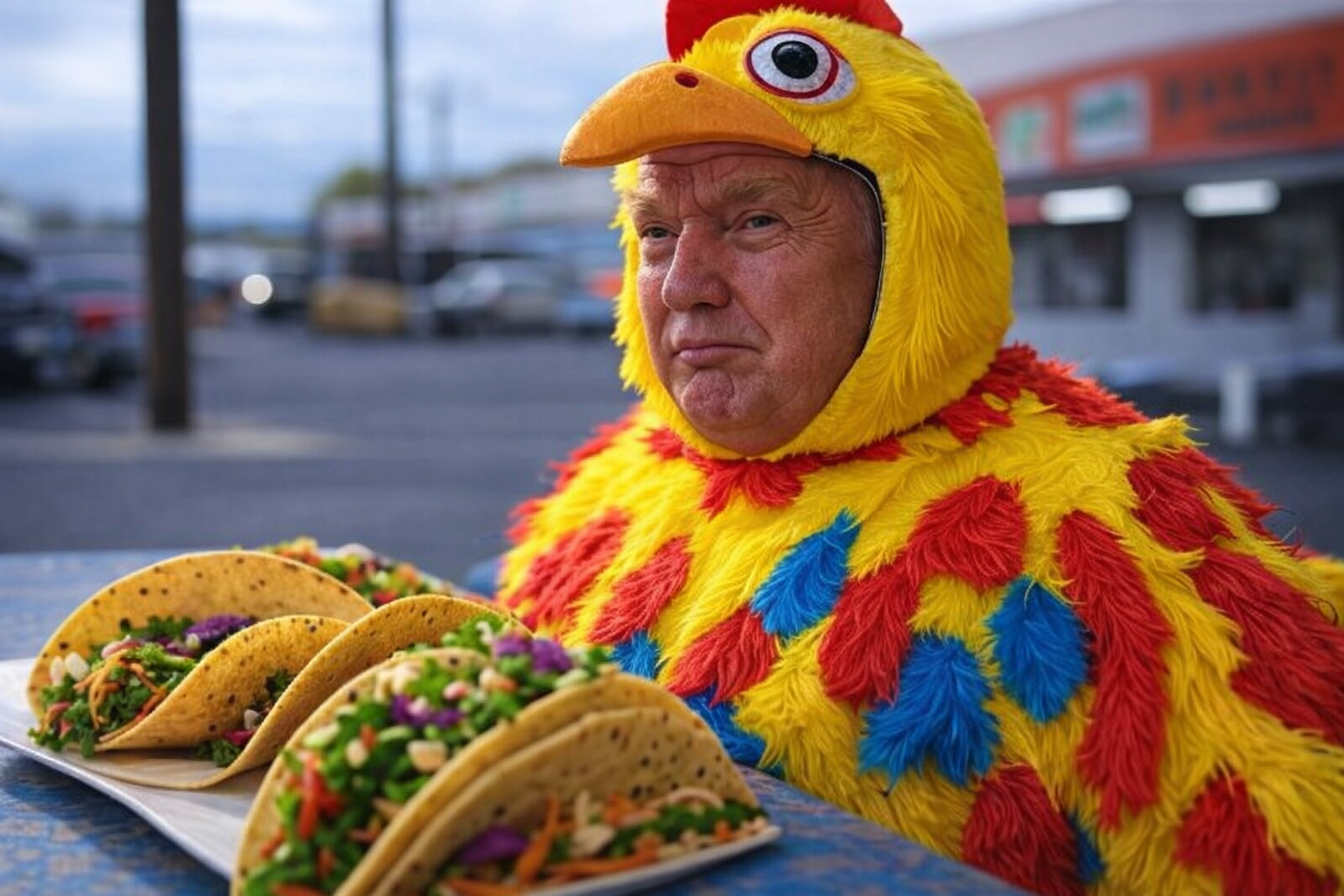
Donald Trump's negotiating style has a new acronym: TACO, short for 'Trump Always Chickens Out.' Coined in mid-2025, the term captures his recurring pattern of launching extreme tariff threats, triggering market panic, and then backing down just before the deadline. The latest example came in January 2026, when Trump threatened 10% tariffs on eight NATO members on Jan 17, only to rescind them four days later at the World Economic Forum in Davos, claiming a 'framework agreement' on Greenland and Arctic security.
The Five-Act Playbook
Financial Times journalists documented the TACO cycle across multiple events. Liberation Day Tariffs (Apr 2025): a global tariff blitz caused supply chain chaos; shelved after one week, markets bounced. Firing Fed Chair Powell (Apr 2025): public demand to remove him, then 'distancing' days later. 50% EU Tariffs (May–Jun 2025): delayed implementation, European stocks surged. US-China trade talks (May 2025): partial tariff rollback in exchange for concessions. NATO-Greenland Tariffs (Jan 2026): from threat to cancellation in four days, with vague agreement details.
Each round follows a rigid sequence: state an extreme position (e.g., 'buy Greenland' or '145% tariffs on China'), gauge market and political reaction, find a face-saving 'framework' or 'conceptual consensus,' then declare victory. The core philosophy: extreme pressure is the opening bid; real gains come from the opponent's fear of the worst.
Why It (Sort of) Works—and the Hidden Costs
The strategy leverages market fragility. Investors now buy the dip on tariff threats, expecting a retreat. This anticipation blunts the actual damage, while the threat alone forces counterparties to concede. Yet costs climb: credibility erodes as everyone sees the bluff; legal risk looms as the Supreme Court reviews IEEPA tariff authority—if ruled unconstitutional, billions in refunds may be due; economic uncertainty scrambles supply chain planning, ultimately hitting consumers. Governments are advised to treat each threat seriously but not panic, maintain flexibility, and signal unity to raise the price of overreach.