
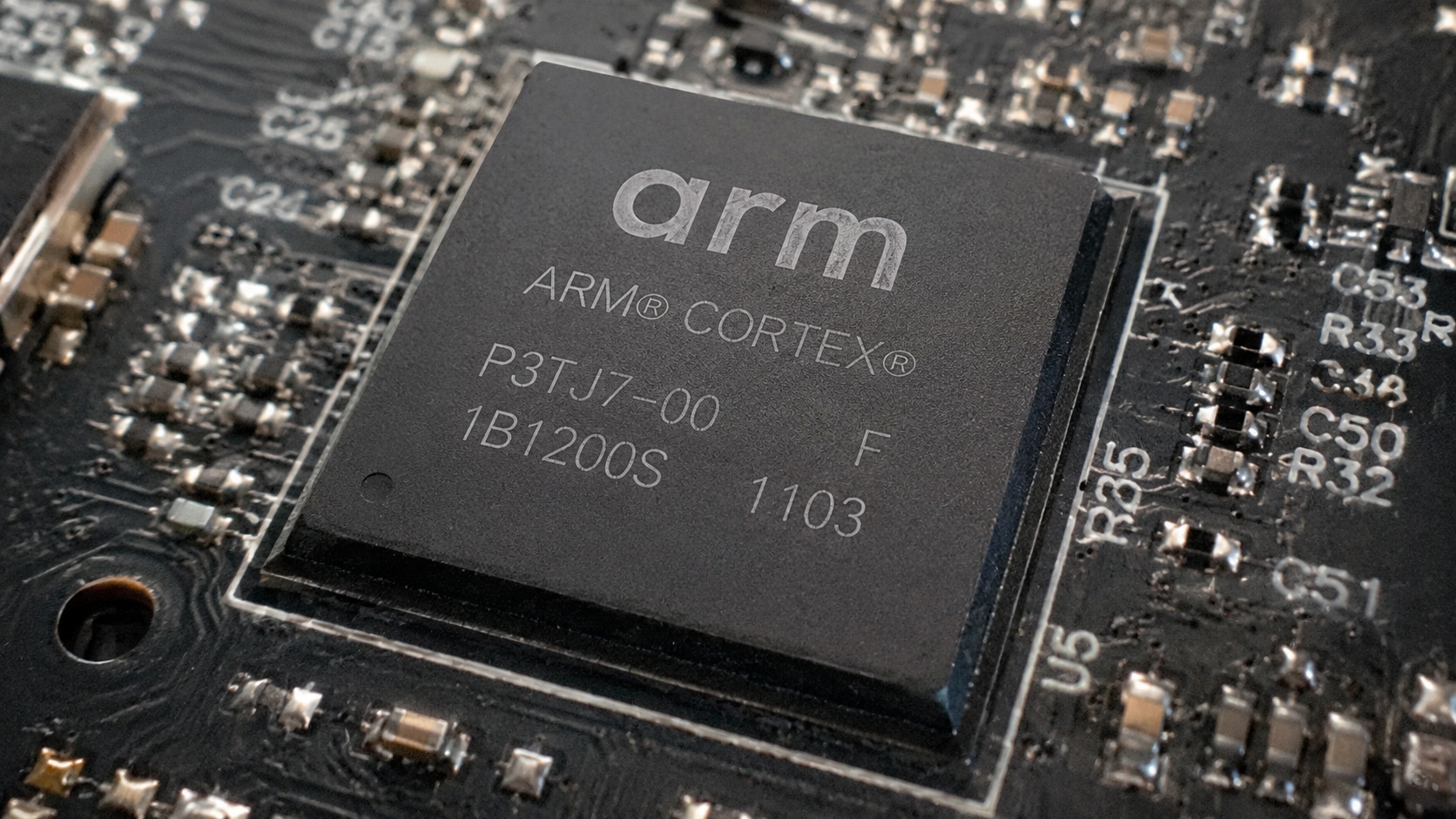
UBS and TD Cowen both raised their price targets for Arm on the same day, each by more than 80%, while keeping buy ratings in place. UBS lifted its target from $260 to $470, and TD Cowen moved from $265 to $475. The common thesis is straightforward: agentic AI may change how work is split between CPUs and GPUs in data centers, and Arm’s upside now hinges increasingly on the revenue potential of its in-house CPU business.
Analysts see agentic AI expanding the role of CPUs
AI spending has largely been tied to GPU demand in recent years, but both firms argue that agentic AI introduces a different workload mix. In their view, GPUs remain central to heavy “thinking” tasks, while the “doing” phase — calling tools, coordinating steps, and interacting through APIs — puts more value on low latency and power efficiency. That is where CPUs, and particularly Arm’s architecture, enter the discussion.
TD Cowen analyst Sankar said Arm’s internal goal of reaching $15 billion in AGI CPU revenue by FY31 is achievable. UBS offered a slightly lower projection, but still raised its estimate for Arm’s in-house CPU-related revenue in 2030 from $13 billion to about $14 billion. On UBS numbers, that would equal roughly 8% of the server CPU market by 2030.
Valuation debate centers on Arm’s in-house CPU opportunity
UBS said the main debate around Arm’s stock is no longer limited to its licensing model. The bigger question is how much value investors should assign to its in-house or standalone CPU business. The bank argues that Arm architecture has already gained a foothold in cloud companies’ AI infrastructure buildout, helped by its strengths in efficiency and low-latency performance, two features seen as increasingly important for large-scale AI inference workloads.
UBS estimates the server CPU market could expand from about $30 billion in 2025 to about $170 billion in 2030. It also projects that Arm architecture could capture around 70% of a potential market of 20 million AI server head nodes by 2030. Those long-dated assumptions are now a major part of the stock’s valuation story.
Stock fell over the past week even as targets moved higher
Arm shares were trading around $357. The stock is down about 12.5% over the past week, yet still up roughly 235% year to date, giving the company a market value of about $381 billion. The contrast between a short-term pullback and rising price targets shows that analysts are placing more weight on the 2030 revenue curve than on near-term volatility.
Arm itself has taken a more cautious line on timing. The company has said its chip business will not have a material financial impact until fiscal 2028. That leaves the new $470 to $475 targets tied to a business that may only begin contributing meaningfully several years from now, with the market watching whether Arm’s guidance in the current fiscal year starts to align with those expectations.