
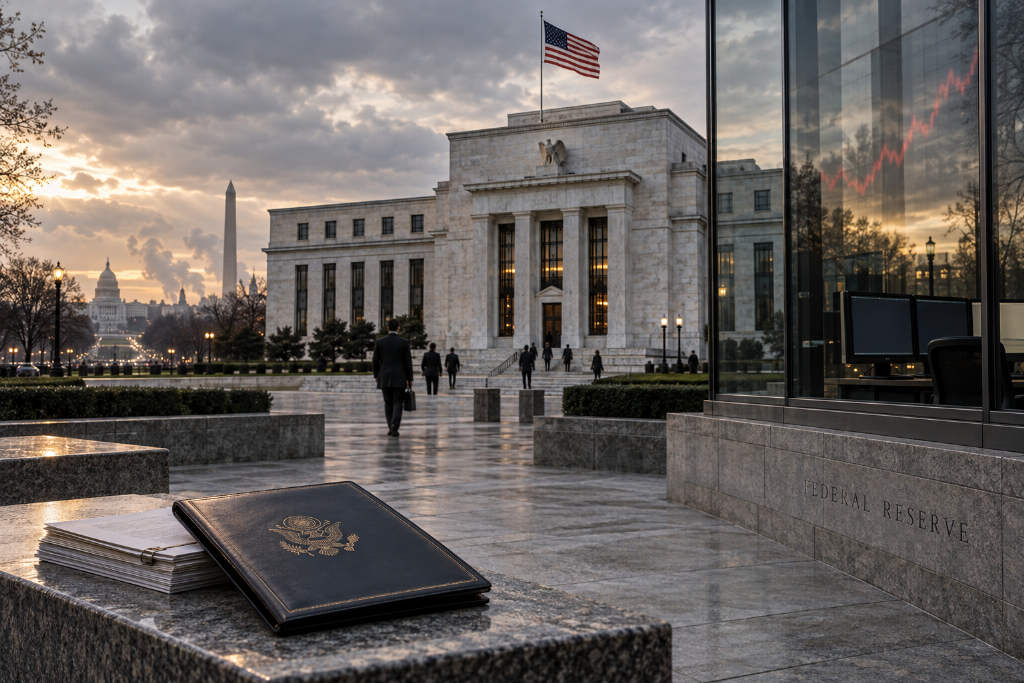
The yield on the U.S. 10-year Treasury climbed 5 basis points intraday on Tuesday, Sept. 15, to 5.04%, its highest level since 2007, before ending the session at 5.00%. According to ABMedia, the latest global bond sell-off has been driven by inflation pressure from higher energy prices and by heavy corporate borrowing linked to investment in artificial intelligence, or AI.
The report said geopolitical tensions have fueled concern about crude oil supply, while larger bond issuance by governments dealing with wider fiscal deficits has added supply-demand strain to long-dated sovereign debt. Markets are now watching the upcoming Federal Open Market Committee, or FOMC, rate decision closely, with investors broadly expecting the Federal Reserve to restart rate hikes. If policymakers do not deliver a clear tightening signal, long-term borrowing costs could move higher.
Energy prices and geopolitical risk push up inflation expectations
ABMedia said tensions in the Middle East have raised the risk of disruptions across global crude oil supply chains, pushing up oil prices and energy costs. Higher crude prices have directly added to inflation pressure and altered market expectations for long-term price stability.
With the real economy still showing resilience, continued disruption to energy supply could cause long-term inflation expectations to de-anchor. Investors, seeking compensation for inflation risk in longer-dated bonds, have tended to demand a higher term premium, which has helped lift benchmark Treasury yields.
Fiscal deficits and increased issuance reshape Treasury supply and demand
Beyond inflation concerns, governments have continued to increase sovereign debt issuance to fund fiscal deficits and roll over maturing obligations. At the same time, major central banks are no longer buying government bonds through quantitative easing, or QE, and structural demand from traditional buyers such as foreign official institutions has also slowed.
The report also pointed to a 20-year U.S. Treasury auction, which showed weaker-than-expected demand even with the awarded yield at an elevated level. In an oversupplied market, Treasury pricing is relying more heavily on price-sensitive investors, leaving bond prices under pressure.
Fed decision is the key near-term variable
As Treasury yields rise, the coming Federal Reserve policy meeting has become the key short-term focus. Market participants broadly expect policymakers to increase short-term borrowing costs. ABMedia said that if the Fed unexpectedly leaves rates unchanged or sends a dovish signal, that could weaken its anti-inflation credibility.
Without firm policy guidance, the market may demand even higher long-term Treasury yields to reflect inflation risk, which would then feed into discount rates and valuation models across global financial assets.
What a 5% benchmark means across assets
The U.S. 10-year Treasury yield is a core benchmark for global borrowing costs, affecting mortgages, corporate loans, and many forms of consumer credit. ABMedia said the 5% level is widely viewed as an important psychological threshold. If yields remain above that mark, financing costs for the real economy would rise materially.
A risk-free rate near 5% could also pull part of the capital allocation away from risk assets and toward fixed income, putting competitive pressure on equity valuations. The report said those spillover effects are worth continued tracking.