
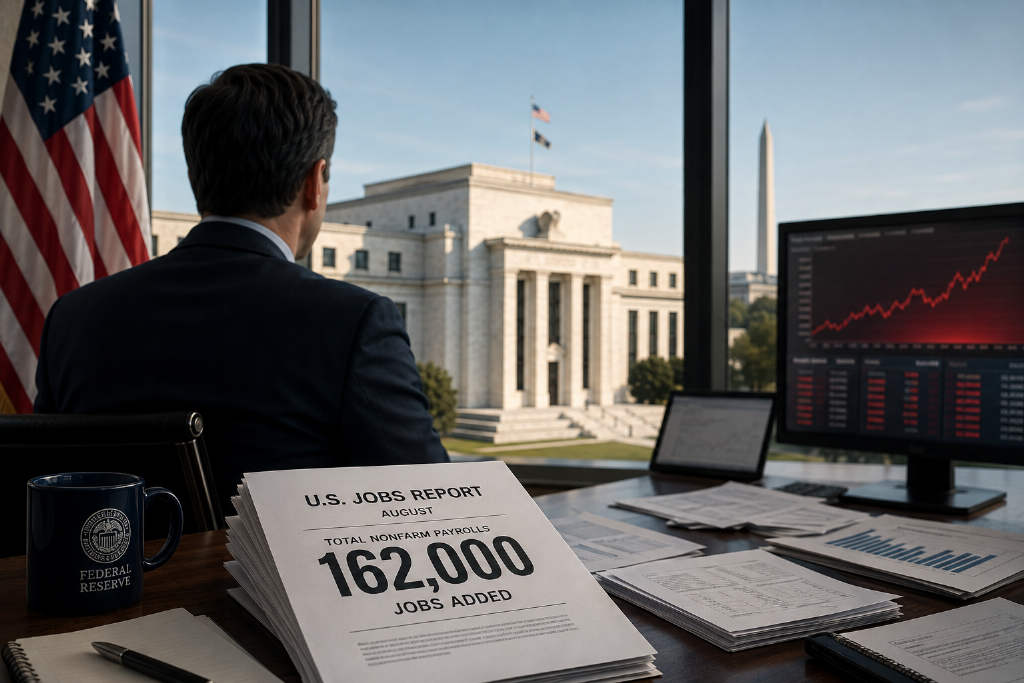
U.S. August nonfarm payrolls surged to 162,000, far exceeding the consensus estimate of 56,000, and prior months were revised up by a combined 55,000. However, analysts cautioned that after stripping out temporary factors such as leisure and hospitality job rebounds and government education hiring, the underlying employment growth was only about 60,000, indicating that the labor market is not as robust as the headline number suggests.
The unemployment rate stayed at 4.1% in August, while the labor force participation rate rose to 61.6%. The broader U6 unemployment rate edged down to 7.7% from 7.9%, suggesting that the returning labor supply was still absorbed by demand, improving employment quality. But average hourly earnings growth slowed to 3.1% year over year, down from 3.2% in July and below the 3.4% CPI inflation rate, signaling that the labor market is not overheating.
According to GF Securities, the August payroll data dispelled both the "employment collapse" and "renewed overheating" narratives, but objectively raised the odds of a rate hike this year, as labor market resilience reduces concerns about further tightening. Whether the Fed will raise rates in September still hinges on the upcoming August inflation data.
Market reaction: The FedWatch tool showed the implied probability of a September rate hike rose to 58.6% from 50%. The 2-year and 10-year Treasury yields increased by 4 bps and 1 bps to 4.37% and 4.78%, respectively. Major U.S. stock indexes edged lower, but the AI hardware sector rebounded, with the Philadelphia Semiconductor Index (SOXX) gaining 3%.