
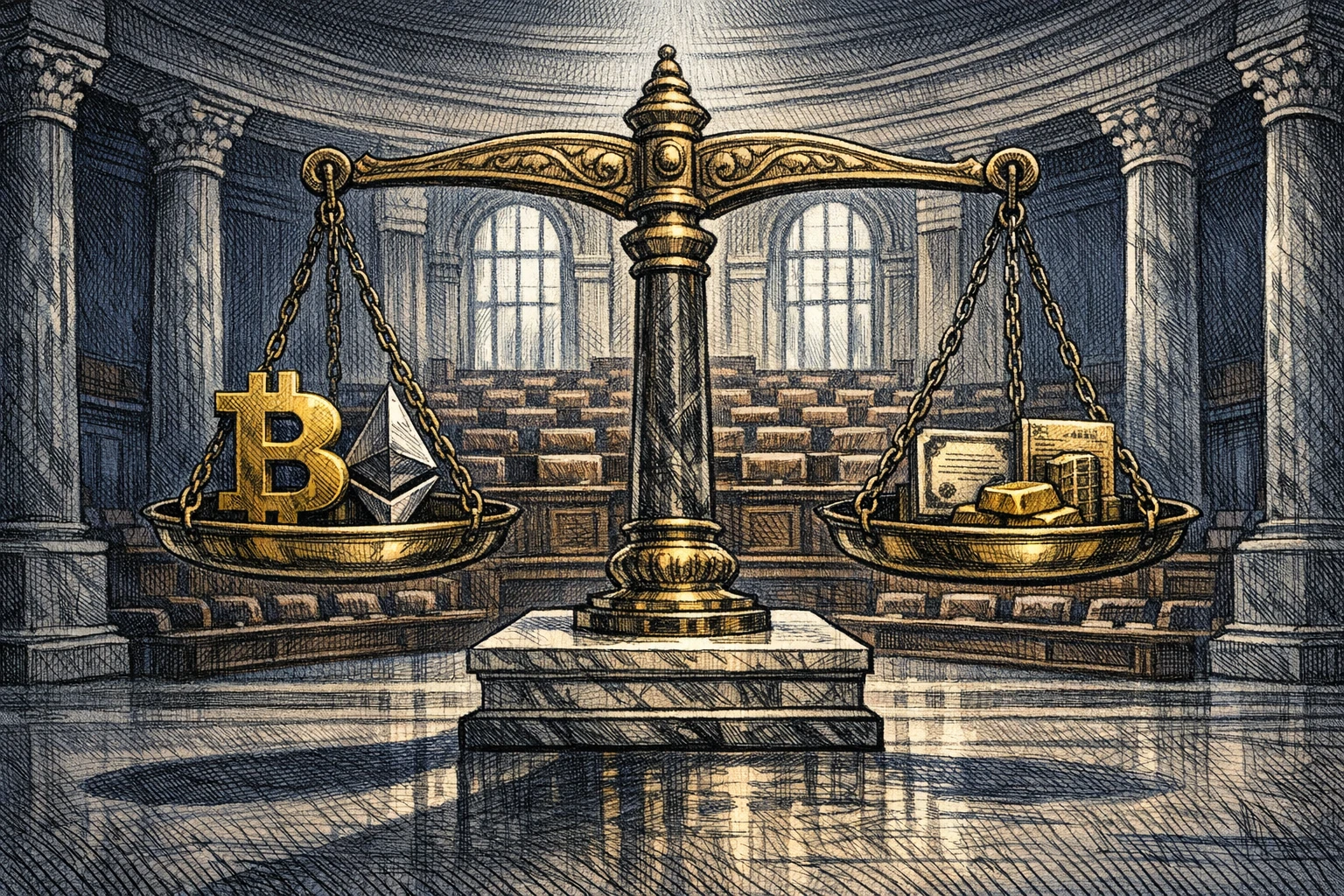
A bipartisan pair of US House representatives — Democrat Steven Horsford of Nevada and Republican Max Miller of Ohio — has released a discussion draft of the Digital Asset Protection, Accountability, Regulatory, Innovation, Tax, and Yield (PARITY) Act. The bill seeks to bring the tax treatment of digital assets like Bitcoin and Ethereum in line with stocks and commodities, addressing long-standing compliance gaps in the crypto industry.
Three Core Provisions: Small Stablecoin Exemption, Deferred Taxation, Wash-Sale Rules
Three key measures stand out. First, the bill proposes a $200 de minimis exemption for transactions in regulated USD-pegged stablecoins, removing the tax reporting burden on low-value everyday payments. Second, miners and stakers would be allowed to defer taxation on block rewards for up to five years, relieving the pressure of paying taxes on unrealized gains at the time of receipt. Third, wash-sale rules and constructive sale rules — historically applied to securities — would be extended to digital assets. The bill also clarifies tax treatment for crypto lending and allows professional traders to use mark-to-market accounting.
Additional Clauses: Charitable Donations and Foreign Investor Certainty
The draft also modernizes rules for digital asset charitable donations and provides tax clarity for foreign investors trading in the US. The bill remains a discussion draft and has not yet been formally introduced in Congress.
Industry Split: Digital Chamber Welcomes, BPI Calls It 'Picking Winners and Losers'
Reaction from the crypto sector has been mixed. The Digital Chamber praised the draft as a positive step for tax reform. However, the Bitcoin Policy Institute (BPI) criticized the bill for excluding Bitcoin miners from some relief provisions, stating: "This is not PARITY — it's picking winners and losers." BPI urged lawmakers to include Bitcoin miners to truly reflect equal treatment.