
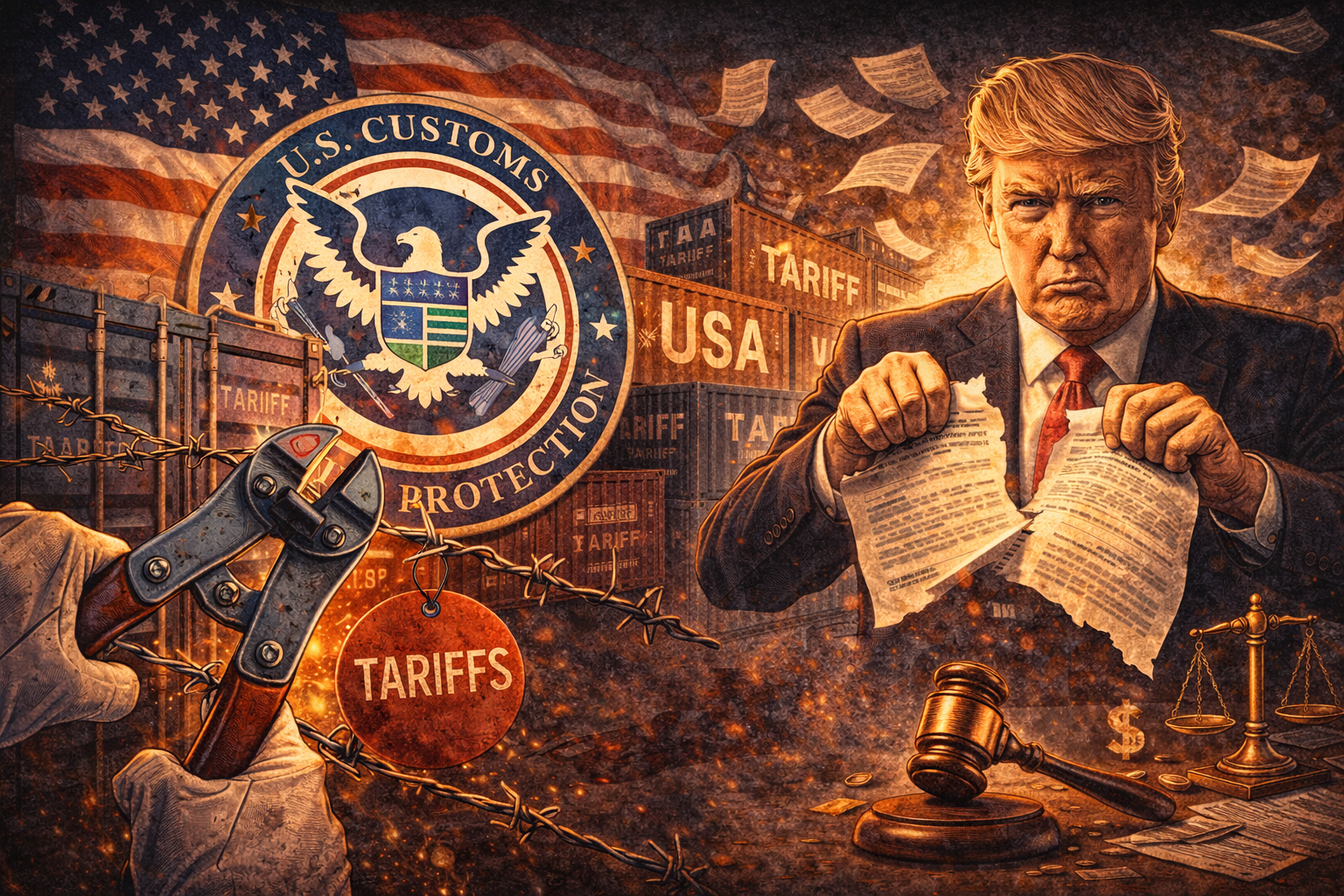
The U.S. Customs and Border Protection (CBP) announced it will cease collecting retaliatory tariffs imposed under the International Emergency Economic Powers Act (IEEPA) at 12:01 a.m. ET on February 24. This follows the Supreme Court's 6-3 ruling on February 20 that deemed the tariffs unconstitutional. CBP did not explain the three-day delay, but the Wharton School at the University of Pennsylvania estimates IEEPA tariffs generate over $500 million in gross revenue daily, meaning at least $1.5 billion was collected after the legal basis was struck down.
$175 Billion Refund Dilemma: Importers Must Sue
The larger issue is the fate of duties already collected. As of December, the federal government had collected about $134 billion from over 300,000 importers, with the total projected to exceed $175 billion. The Supreme Court's ruling did not address refunds, and a subsequent executive order from Trump only said collection "should cease as soon as possible." This leaves the refund question to the U.S. Court of International Trade—importers must file lawsuits to recover overpaid duties. Even if refunds are granted, costs already passed on to consumers will not be automatically returned.
150-Day Countdown: Tariff War Shifts to Legal Guerrilla Tactics
With IEEPA blocked, Trump's tariff strategy is moving from executive orders to legal guerrilla warfare. Section 122 tariffs are already in play, and if they expire after 150 days without congressional extension, markets fear Trump will find another legal basis to continue his tariff campaign. The uncertainty around tariff policy is only deepening.