
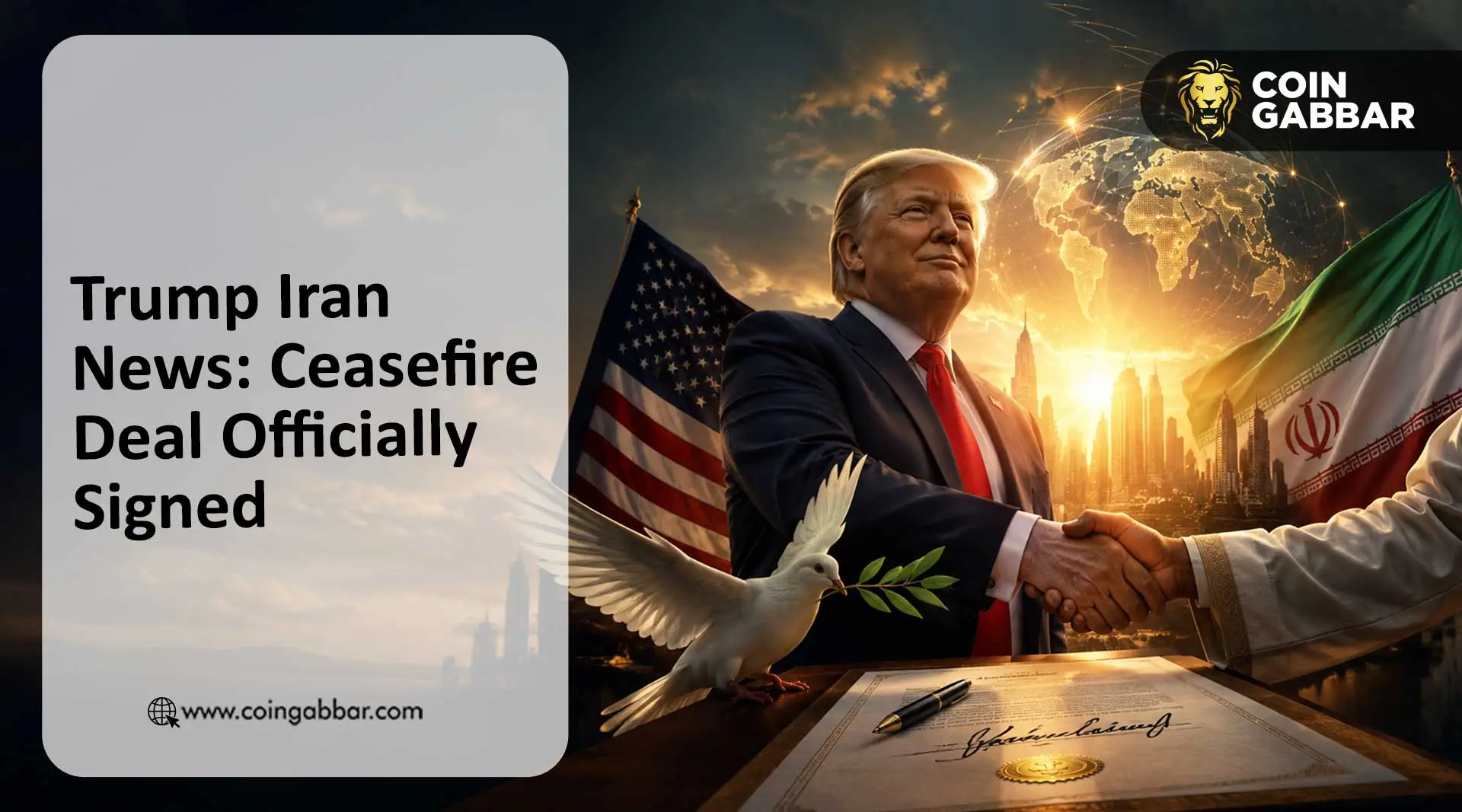
The US and Iran have reached a new ceasefire framework officially referred to as the Islamabad Agreement, built around a 60-day trial period rather than a permanent settlement. The source says the deal was signed by US Vice President JD Vance at a ceremony in Geneva, with mediation from Qatar and Pakistan.
The structure is phased. Both sides are given a limited window to show compliance and good faith before any broader arrangement is considered. It is a short timetable, but the scope of the agreement is wide.
Nuclear terms stop short of a final settlement
According to the published terms, Iran commits to never acquiring a nuclear weapon. Highly enriched uranium is to be down-blended inside Iran under UN supervision. Any additional nuclear steps are not part of a final package yet and depend on a second-stage agreement.
That leaves this document as a working framework rather than a finished settlement. The core obligations are listed, but the deeper nuclear architecture remains unresolved.
Hormuz reopening and temporary sanctions relief
On shipping and energy, the US is set to remove its blockade immediately, and the reopening clause for the Strait of Hormuz takes effect with no shipping tolls. The source says pre-war shipping levels are expected to return within 30 days.
On sanctions, oil restrictions are lifted for 60 days. Any relief beyond that depends on Iranian compliance and what the source describes as demonstrated good faith. Frozen Iranian assets are also set to be released in tranches rather than in a lump-sum transfer.
Middle East ceasefire language and the first market reaction
The framework also includes a ceasefire across the broader Middle East, including Lebanon. The source frames the shift as a move away from military pressure and toward economic leverage. Before the agreement, the US had been enforcing a naval blockade in the Strait of Hormuz, one of the world’s key oil shipping routes, putting pressure on Iran’s export economy.
Markets reacted quickly. Oil prices fell sharply after the announcement as the reopening of Hormuz removed part of the supply-risk premium. Crypto moved the other way, with Bitcoin rising on the news. The source links that move to capital rotating back into speculative assets when geopolitical tensions ease.
The next 60 days remain the real test
The current deal is not presented as a final resolution. The source is explicit that this is a 60-day window, and the ceasefire depends on Iranian compliance. The broader nuclear framework is still tied to a second agreement.
For markets, the clearest signals in the near term may remain oil and Bitcoin. If negotiations stall, volatility can return quickly.