
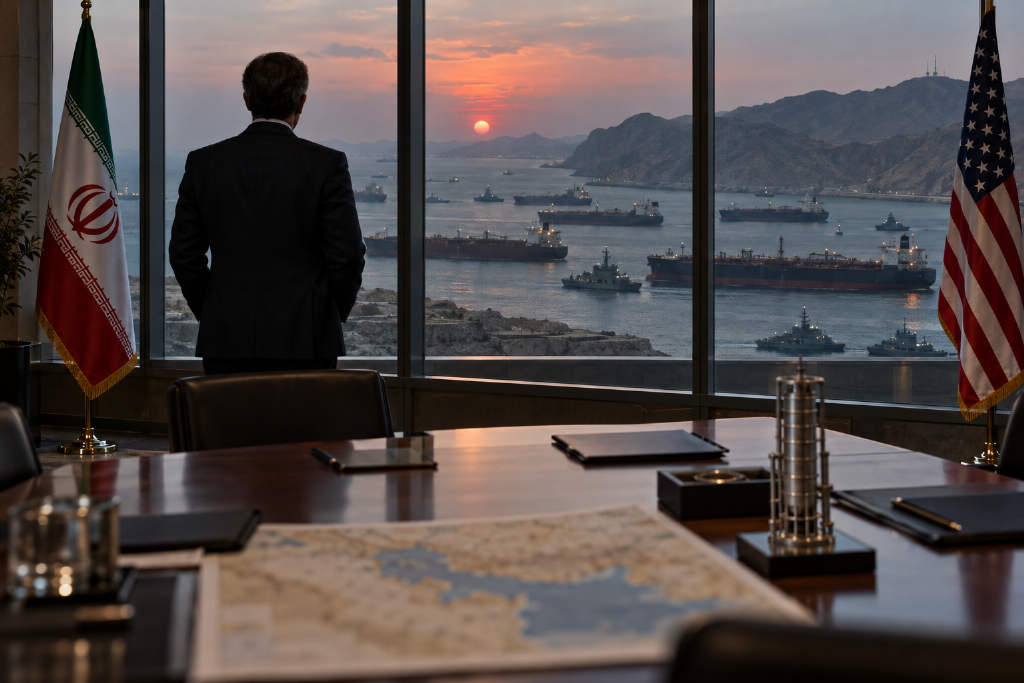
Iranian officials are privately pessimistic about reaching an agreement with Washington before the Nov. 3 U.S. midterm elections, according to a Sept. 29 report from BlockBeats citing people familiar with the matter.
Those officials said negotiations on ending hostilities and reopening the Strait of Hormuz have produced little substantive progress. In their view, the chance of escalation may be higher after the midterm vote. Iran still says it is willing to pursue a diplomatic solution, but it does not believe the Trump administration would honor any agreement. Trump had also previously expressed doubt that a deal could be reached before the election.
Hormuz and the nuclear file remain the core disputes
The central disagreements in the current talks are the Strait of Hormuz and Iran’s nuclear program. The U.S. government has told mediators that Iran must make a firm commitment to reopen the strait and make concessions on the nuclear issue.
One U.S. official said Washington would not reach an agreement with Iran before the nuclear issue is resolved. The same official said Trump was willing to offer sanctions relief and release part of Iran’s frozen funds in exchange for concrete progress by Tehran on the nuclear front.
Trump later publicly denied related reports from Axios and other media outlets. He said he had not offered Iran sanctions waivers or the unfreezing of assets, and called for the reports to be retracted.
Qatar continues mediation efforts
Qatar is continuing its mediation around a revised version of the seven-day proposal that Iran had previously put forward. Iran’s semi-official ISNA news agency confirmed that Iranian Foreign Minister Araghchi met with mediators in New York, but U.S. representatives did not attend.
Araghchi said Iran had communicated to the United States and the international community the conditions it believes must be met to reopen the Strait of Hormuz. He also said Iran discussed with Qatar a proposal that is being prepared for submission to the United States. After receiving a response from Washington, Qatar would pass it to Iran through what he described as appropriate channels.
Araghchi then returned to Tehran as originally planned rather than staying in New York to wait for a U.S. response.
June memorandum briefly supported a ceasefire
A memorandum of understanding signed by the United States and Iran in June had briefly helped produce a ceasefire and allowed more vessels to pass through the Strait of Hormuz. That arrangement collapsed in less than two weeks, and traffic through the strait remains well below prewar levels.
Iran maintains that the United States must lift the maritime blockade and oil sanctions before the talks can make progress.
As market expectations for a U.S.-Iran agreement faded, Brent crude futures rose 2% on Monday to about $106.20 a barrel.