
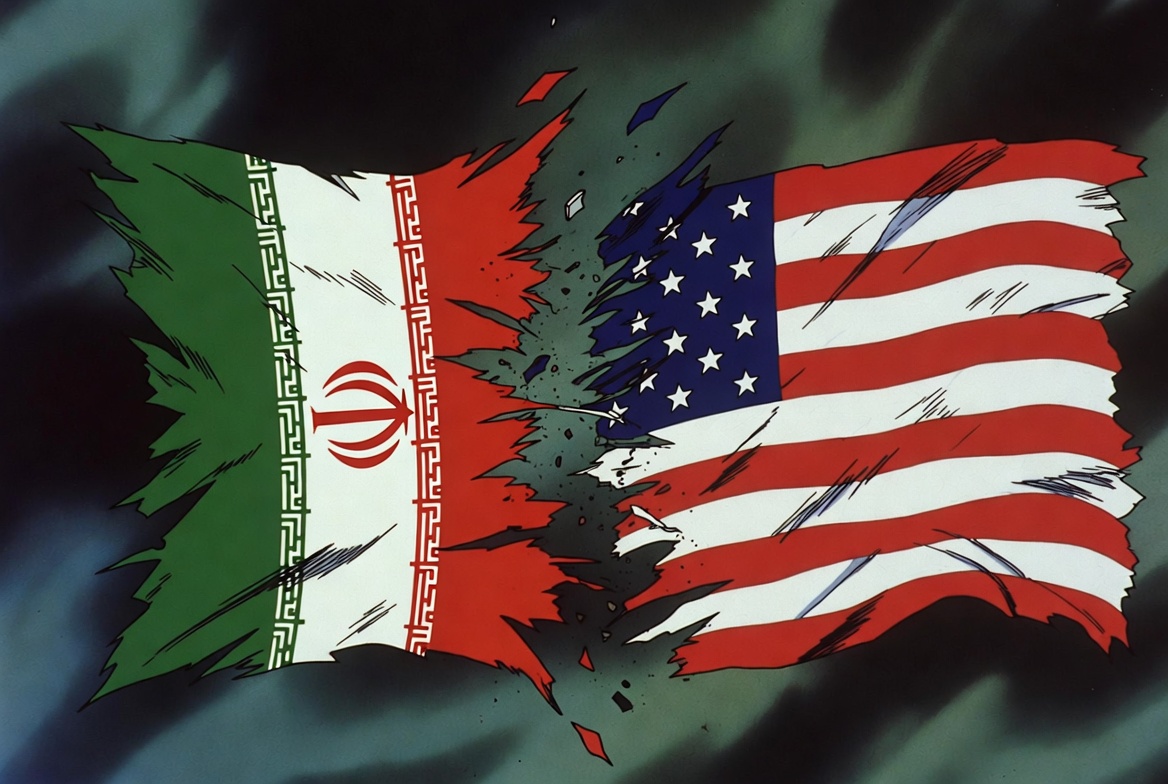
The Middle East peace process hit a major roadblock. According to foreign media reports, the United States has formally rejected Iran's preliminary ceasefire draft, which sought to stop attacks on the Strait of Hormuz in exchange for lifting port blockades. Facing Washington's tough stance, Tehran has not abandoned diplomatic efforts and is preparing to submit a revised proposal through Pakistani mediators within days.
Tough Internal Talks in Iran, Revised Proposal May Come in Days
Citing sources, financial news account Walter Bloomberg (@DeItaone) reported that Iran's foreign minister, after a trip to Moscow, is now in Tehran holding intensive consultations with the country's top leadership. However, sources describe the communication as very difficult and slow. The entire negotiation process remains highly fluid, with the final outcome hinging on how many concessions Iran is willing to make in the revised terms. Pakistan, serving as a communication bridge, is expected to receive the updated document soon.
The White House previously said negotiations had entered a diplomatic phase, but the rejection of the initial draft shows a gap remains. Iran considers the US conditions too harsh, with core disagreements centering on the Strait of Hormuz transit rights and the mechanism of sanction relief.
Trump Says Iran in Collapsing State, Needs Help to Keep Strait Open
US President Trump once again made headlines with blunt remarks. He publicly stated that Iran is in a collapsing state, crippled by internal instability and economic pressure, and is seeking external help to keep the world's most vital oil chokepoint – the Strait of Hormuz – open. This comment further fueled market concerns about crude supply disruptions, following a $5 spike in US crude futures after reports of Tehran's air defense system activation.
The US special envoy has already flown to Pakistan for a second round of talks with Iran. Analysts note that both sides are keeping diplomatic channels open despite the rejection, indicating neither is ready to walk away. Iran stresses the revised proposal will be more pragmatic but will not compromise national sovereignty or maritime rights.
Separately, a scam involving fake Iranians demanding Bitcoin for Strait passage has surfaced, with some tankers reportedly defrauded. While unrelated to official talks, it highlights the real-world impact of tensions on shipping. Overall, the US-Iran standoff remains volatile, and the revised Iranian proposal in the coming days will be closely watched by markets.