
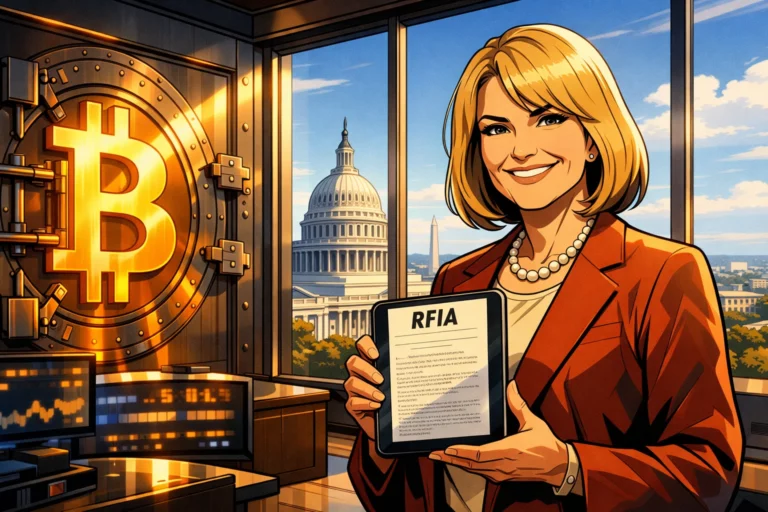
U.S. Senator Cynthia Lummis (R-WY) posted on X on July 23, previewing her planned "Responsible Financial Innovation Act of 2026" (RFIA 2026), which would allow major banks to offer digital asset custody, staking, and payment services under appropriate supervision. The move signals accelerated efforts by U.S. lawmakers to fold digital assets into the mainstream financial system.
Lummis stated in her post that digital assets have become an indispensable part of the U.S. financial system. Allowing them to operate within a regulated banking framework would boost consumer protection and unlock the industry's growth potential. She stressed the bill's core principle is "innovation under regulation," not laissez-faire market development.
Bank Custody, Staking, Payments: Core Provisions of RFIA 2026
RFIA 2026 is a new legislative proposal Lummis announced in late 2025, building on earlier versions co-sponsored with Democratic Senator Kirsten Gillibrand in 2022 and 2023. Although those bills did not pass, they laid groundwork for a comprehensive digital asset regulatory framework. The updated version adjusts to current market conditions and regulatory needs, aiming to complement the Clarity Act—already passed by the House—to close persistent regulatory gray areas.
A key provision clarifies whether a digital asset is a security or a commodity, assigning oversight to the SEC and CFTC respectively, resolving long-standing jurisdictional disputes between the industry and regulators. Additionally, the bill permits large banks to engage in digital asset businesses—including custody, staking, and payment services—under strict oversight and compliance requirements, formally incorporating crypto assets into the traditional banking system. Lawmakers believe this will enhance consumer protections, deter financial crime, and attract more institutional capital.
Stablecoin Reserves and AML Requirements Under Consideration
Based on publicly available details, RFIA 2026 may also require stablecoins to maintain 100% reserves, along with anti-money laundering and risk management rules, aiming to balance innovation and financial stability. The bill remains at the proposal stage and has not yet been formally introduced in Congress or assigned a legislative number. Lummis said she will actively push the bill in 2026, hoping to complete a key piece of the federal-level digital asset regulatory framework before her Senate term ends.
If enacted, the legislation is widely expected to become the first comprehensive cryptocurrency regulatory law in the U.S., with far-reaching implications for the long-term adoption and development of Bitcoin and other digital assets.