
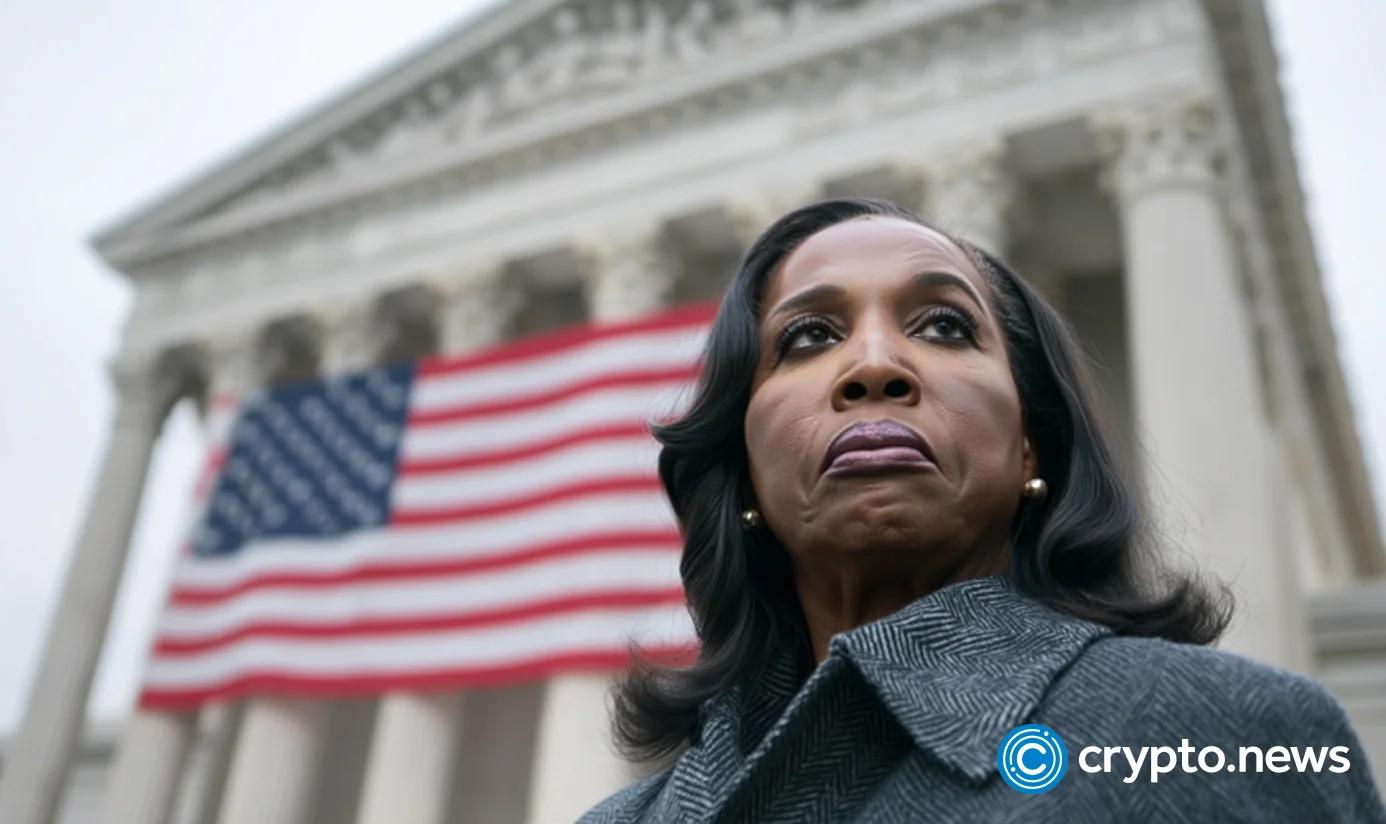
The U.S. Supreme Court has blocked President Donald Trump’s effort to remove Federal Reserve Governor Lisa Cook in a 5-4 ruling, keeping her on the Board while the case continues. The justices did not decide whether Cook can ultimately be removed for cause. They said the dispute must first be evaluated under the proper legal standards rather than letting a president dismiss a Fed governor without judicial review.
That leaves the Federal Reserve Board’s current balance intact for now. It also means Trump still does not have a majority of governors at a time when he has kept pressing for lower interest rates.
Roberts says the Court is addressing process, not the final outcome
Writing for the majority, Chief Justice John Roberts said accepting the administration’s position would effectively allow a president to remove a Federal Reserve governor at any time and for any reason. In his view, that would reduce statutory for-cause protections to something close to at-will employment.
Roberts also made clear that the Court was not ruling on whether Trump may eventually have valid legal grounds to remove Cook. He wrote that the answer will depend in part on the underlying facts, and those facts have not yet been found or analyzed under the relevant legal framework. The ruling is narrow in one sense. It sets the standard for review and sends the fight back into the legal process.
Cook stays in place as the legal battle moves forward
According to the decision, Trump had sought to dismiss Cook over allegations of mortgage fraud. The Court rejected that push at this stage, saying lower courts must handle the dispute under the correct standards before any final answer is reached on removal.
Trump responded on Truth Social soon after the ruling, arguing that the Supreme Court had sent the case back on procedural grounds rather than deciding the merits. He wrote, “We will take appropriate action immediately to make sure that someone who has committed wrongdoing will not be making vital decisions concerning the Welfare of the United States of America!”
Rate politics remain tied to the Board’s voting math
The ruling lands while Trump continues to call for lower rates. The report notes that although he appointed Kevin Warsh to succeed former Fed Chair Jerome Powell, Trump had said he would not pressure Warsh on monetary policy and would leave interest-rate decisions to the Federal Reserve.
Warsh echoed that position during his Senate confirmation hearing in April. He told the Senate Banking Committee that Trump had never asked him to predetermine, commit to, or decide any interest-rate action before taking office, and said he would never agree to such a request.
Even under Warsh’s leadership, the Fed kept rates unchanged at its June FOMC meeting and maintained a cautious stance on inflation. The report presents that as evidence that policy is still being driven by economic conditions, not White House preferences. With Cook remaining on the Board, Trump still lacks the majority needed to reshape the Fed’s policy direction through appointments alone, leaving future rate decisions dependent on votes inside the central bank.
Inflation remains central to the outlook
The decision comes as inflation stays at the center of policy debate. The report says the Fed left rates unchanged in June even as many officials released relatively hawkish economic projections. It also cites the latest Personal Consumption Expenditures inflation reading at 4.1%, the highest since 2023.
Against that backdrop, Bank of America has forecast three rate hikes starting later this year, while Polymarket currently assigns a 53% probability that the Federal Reserve raises rates before year-end. The case over Cook’s seat is now more than a legal fight over institutional protections; it also matters for how markets read the Fed’s internal balance heading into future rate votes.