
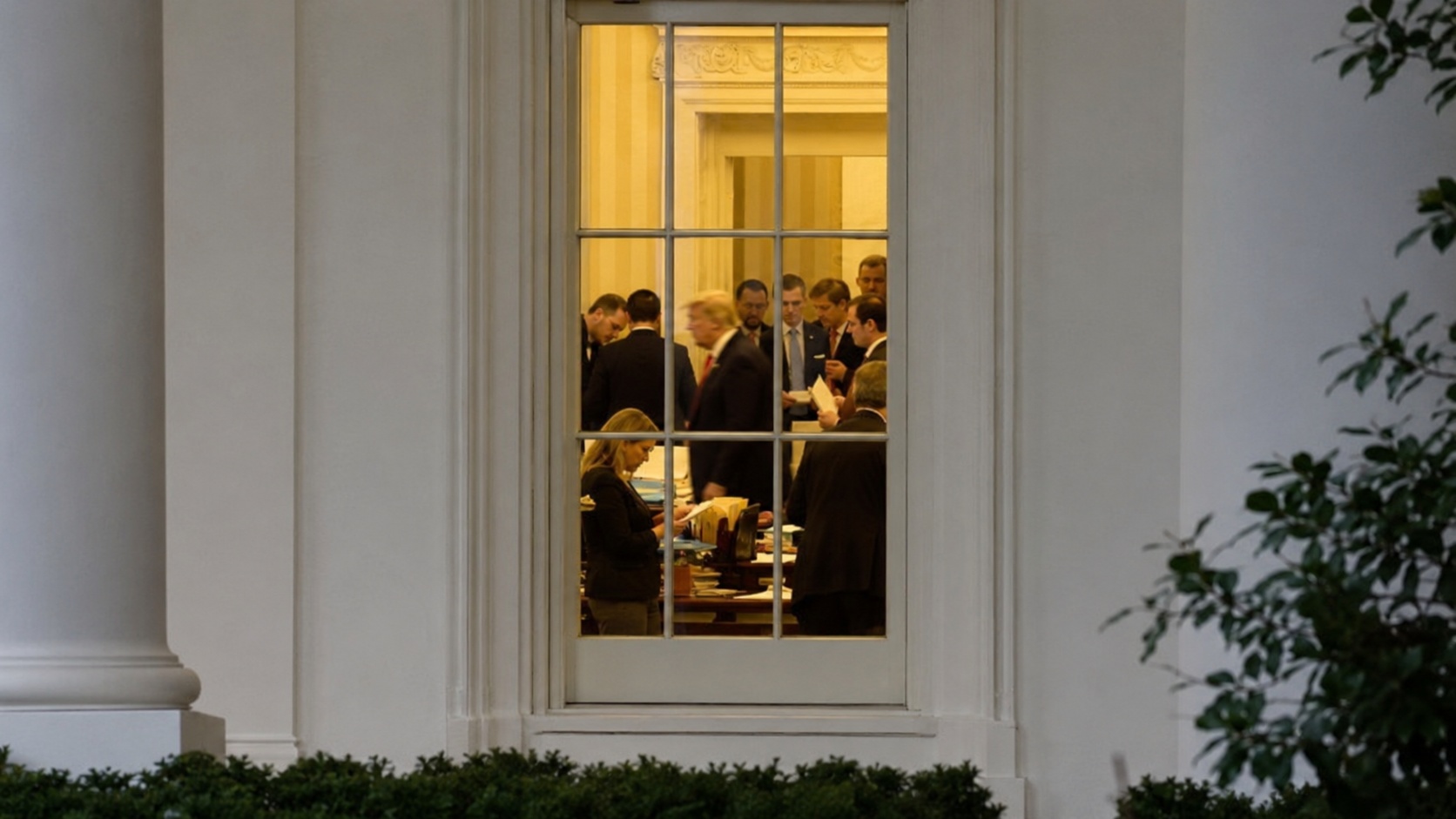
The United States is nearing a decision point on a possible new military strike against Iran. Sources said the Trump administration has activated an emergency military deployment process, and some US forces stationed in the Middle East have begun urgent repositioning. As of that afternoon, the final “GO / NO-GO” decision had still not been made.
The potential operation has already spilled into the White House’s private schedule. Trump said on social media that he would miss his son Donald Trump Jr.’s wedding this weekend because of “special circumstances related to government affairs.” A planned Memorial Day weekend trip to his golf property in New Jersey was also dropped, with Trump instead returning to the White House.
Pentagon recalls updated as Middle East troop posture shifts
Military activity cited in the report showed the Department of Defense and the US intelligence community canceling weekend leave for some officials and updating emergency recall lists for overseas bases. At the same time, some American units deployed in the Middle East were rotating out of combat areas in stages. The pattern was not a simple buildup. It showed simultaneous movement in and out, pointing to a balancing act between operational readiness and regional risk control.
The report said US-Iran tensions remained elevated in 2026. Pressure from the Trump administration has included oil sanctions, military deployments, and strategic realignment involving US partners in the Middle East. The scope and timing of any strike remain under active discussion inside the White House.
Markets react to conflict expectations through oil and safe-haven flows
Geopolitical tension has already begun to affect market pricing. According to the report, any escalation in the Persian Gulf could disrupt global energy supply chains. Because the Gulf is one of the world’s major oil-producing regions, expectations of conflict could push Brent crude higher. Demand for the US dollar index and gold may also rise as investors move toward defensive assets.
Equities are also exposed to short-term swings. A growing Middle East risk premium could increase volatility in the S&P 500, especially in energy and defensive sectors. The report also pointed back to the 2019 to 2020 US-Iran crisis, noting that Taiwan’s stock market reaction suggested even major semiconductor names were not fully insulated from the broader spillover effects.