
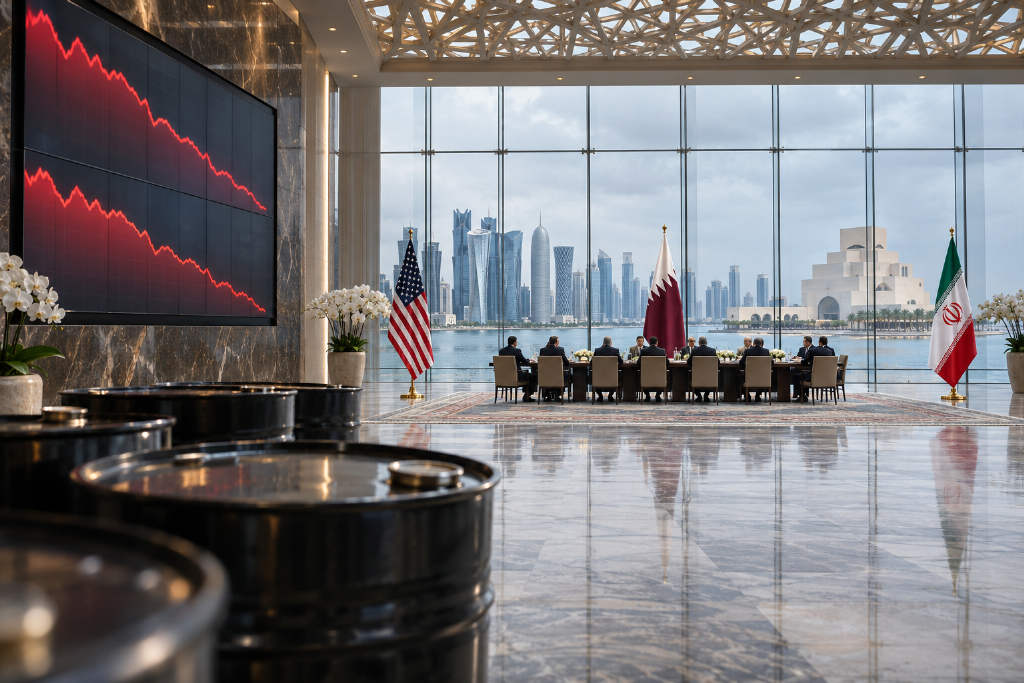
U.S. Vice President JD Vance said on Nov. 2 that talks between the United States and Iran had "made some progress," adding that he and Donald Trump felt "pretty good" about reaching a deal and had not given Iran a final deadline before any return to military action.
Vance made the remarks to reporters at Joint Base Andrews. He said he had spoken with Trump an hour earlier. In his account, Iran remained "a little unpredictable," and Trump was still keeping both military and non-military options available. But when reporters asked whether Trump was considering resuming attacks on Iran after the midterm elections, Vance replied: "No."
Iran says the government has authority to negotiate
On the same day, Iranian President Masoud Pezeshkian said the country’s supreme leader had granted the government authority to negotiate. Iranian negotiators had also just spent three consecutive days in talks with Qatari mediators.
The authorization claim came through Iran’s state media outlet IRNA, which cited Pezeshkian as saying the government had been given a degree of authority by the supreme leader.
Oil posts a one-day drop of more than 7%
Oil prices fell sharply on Nov. 2 as the market reacted to signs of progress in the talks.
- December WTI fell 7.36% to settle at $96.46, dropping below $100.
- January Brent fell 7.63% to close at $104.77.
What Iran said about the terms
An Iranian Foreign Ministry spokesperson said Monday that a seven-day plan proposed in September to reopen the Strait of Hormuz had been compressed into a version that could be carried out within two days, provided Iran’s demands were met.
Al Jazeera said the spokesperson did not say Tehran had changed its conditions, and did not say Washington had accepted the proposal. Iran’s conditions include lifting the U.S. naval blockade on Iranian ports, removing sanctions, guaranteeing an end to strikes, and securing a region-wide ceasefire.
Institutions remain cautious on where oil goes next
Trump said oil could "go down a lot further," but institutional views were less optimistic.
Goldman Sachs had raised its forecasts a day before the sell-off, lifting its December Brent target to $105 from $90 and its WTI target to $94 from $81. Brent’s Monday close landed near that revised target.
Sultan Al Jaber, chief executive of Abu Dhabi National Oil Company, said disruptions to shipping through Hormuz had already removed nearly 1 billion barrels from global inventories. TD Securities said the risk premium was unlikely to disappear completely while the conflict remained unresolved and attacks involving tankers and the Houthis continued.
That leaves the next move tied to the terms of any deal. If a draft agreement is reached and shipping resumes, the premium could keep fading, though the inventory gap may limit the downside. If talks collapse and tanker attacks increase, oil prices could climb again.



