
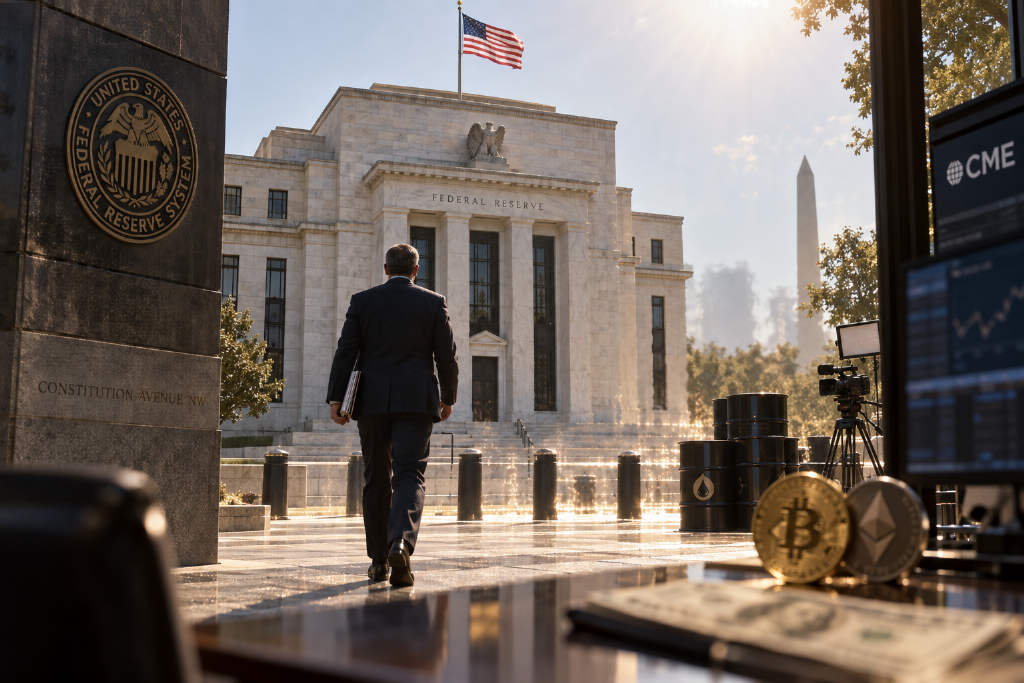
Federal Reserve Chair Kevin Warsh will preside over his first policy meeting on Sept. 15-16, and market pricing is already heavily tilted toward a 25 basis-point rate increase that would bring the federal funds rate to a 3.75% to 4.00% range.
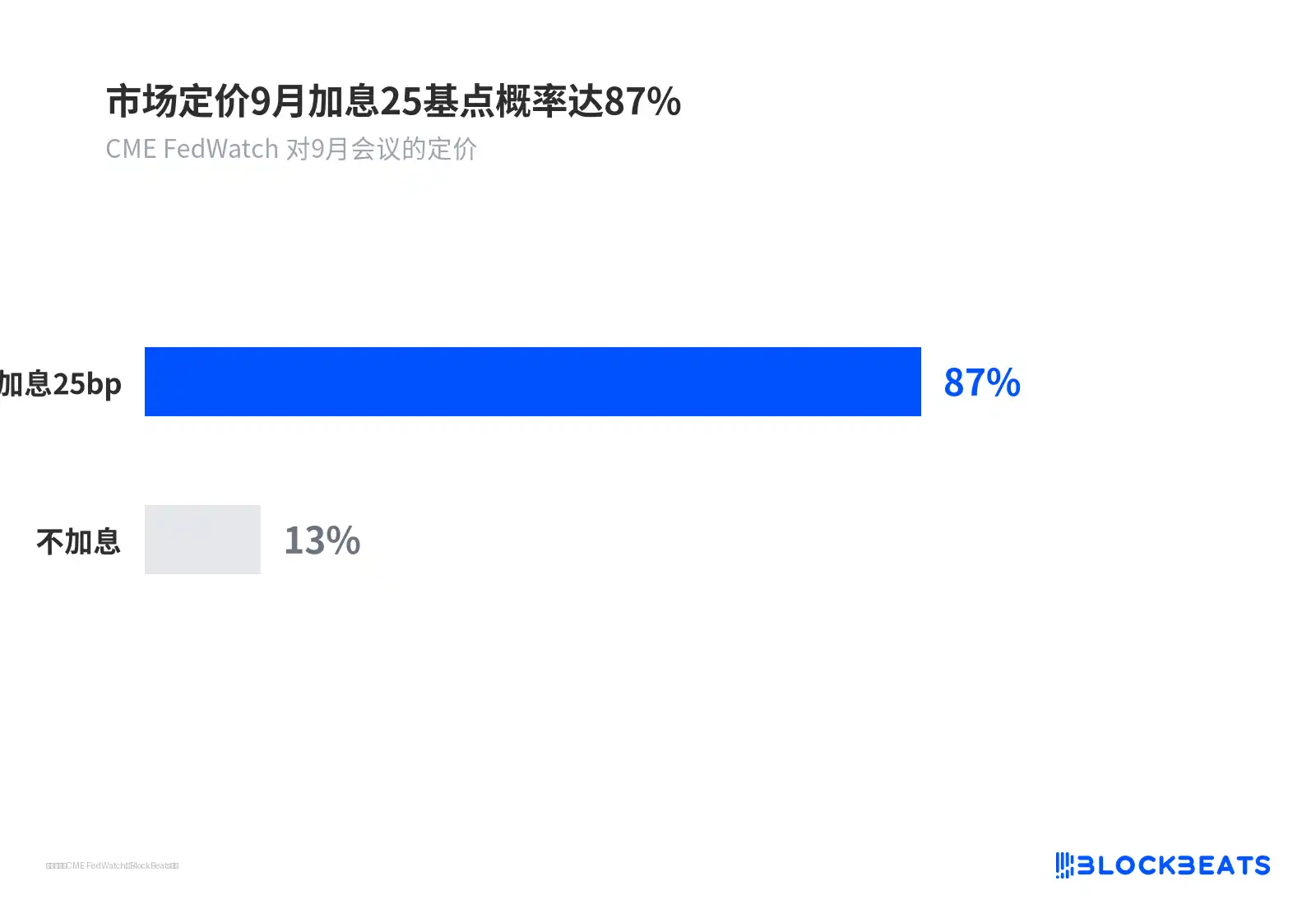
The report points to CME FedWatch as the clearest real-time gauge of that expectation. The tool converts trading activity into probabilities for a hike, a cut, or no change at the next meeting. Right now, the implied probability of a 25 basis-point move in September stands at about 87%.
Inflation and oil have pushed hike expectations close to 90%
Warsh, who was sworn in this May, has long been seen as a hawk. At the Jackson Hole gathering in August, he put responsibility for persistently high inflation back on the Federal Reserve itself and said he would not ease up before there was clear and sufficient evidence that inflation was moving lower.
That stance clashes directly with Trump’s public preference for lower borrowing costs. Trump has repeatedly said the United States should have the lowest interest rates in the world and that the Fed should support economic growth rather than focus only on inflation. White House economic adviser Kevin Hassett, according to the report, said the president was “not happy” about rate hikes but respected the Fed’s independence.
Inflation above the Fed’s 2% target has lasted for about 65 months. The report argues that the latest repricing toward a September hike did not come from pressure out of the White House. It came first from inflation data and energy prices.
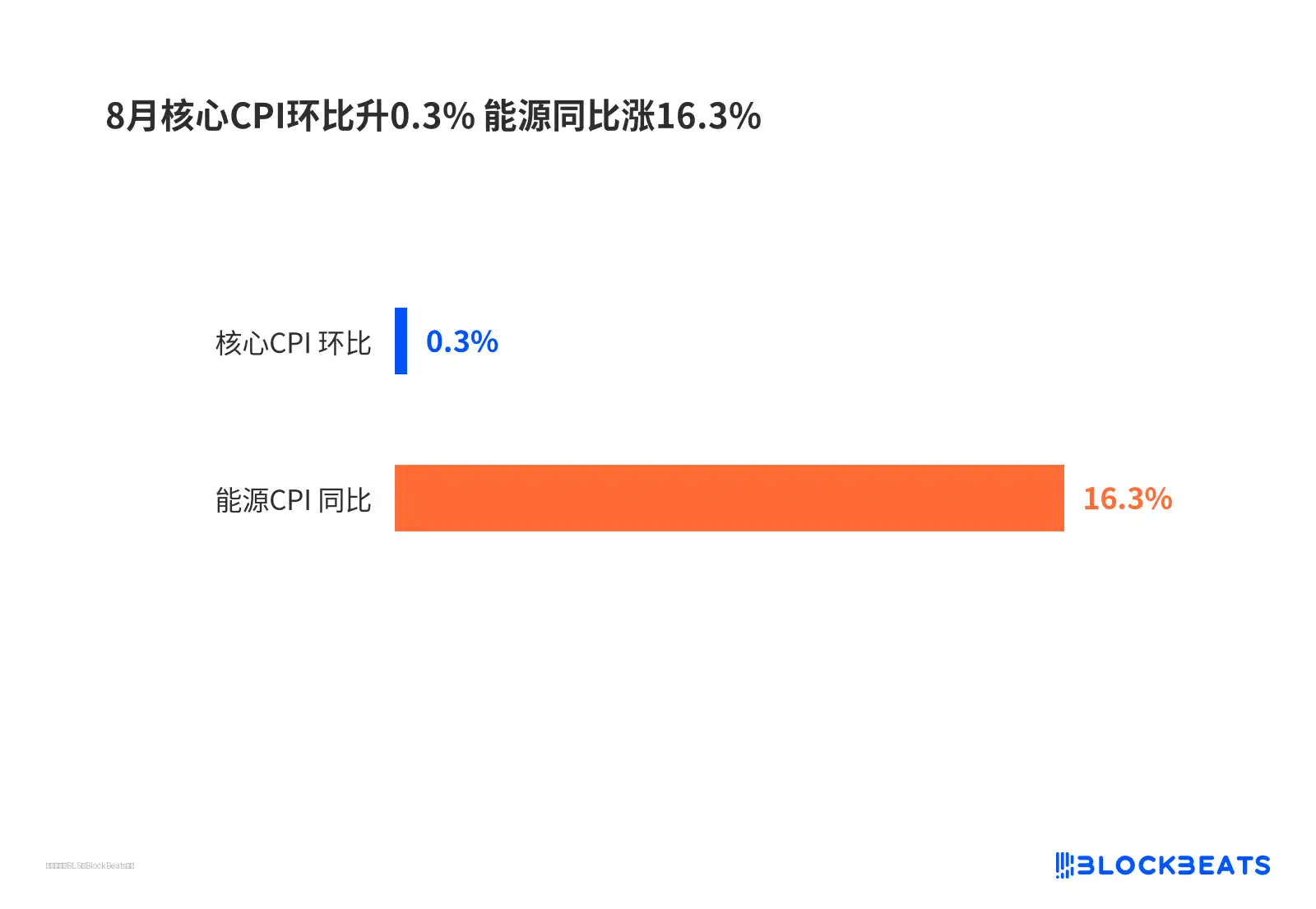
August core CPI rose 0.3% month over month, above expectations, while the energy component climbed 16.3% from a year earlier. With conflict in the Middle East escalating and shipping in the Strait of Hormuz disrupted, Brent crude moved close to $107, feeding directly into broader price pressure. Core inflation was also firm, a sign that the strain was spreading beyond gasoline and into a wider set of goods and services.
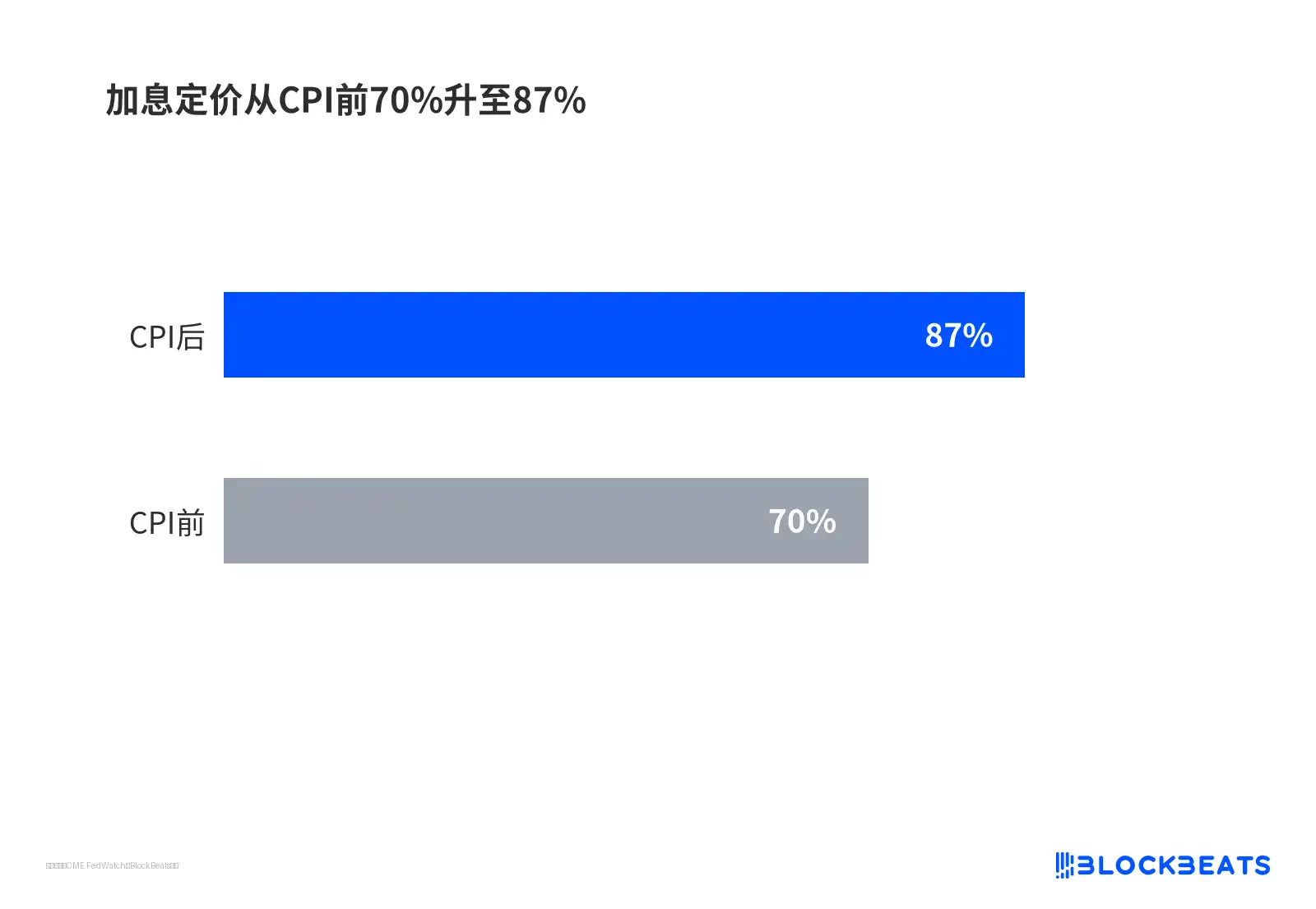
The bond market reacted first. The 10-year U.S. Treasury yield moved above 5%, and futures pricing for a September hike rose from roughly 70% before the CPI release to around 87% afterward.
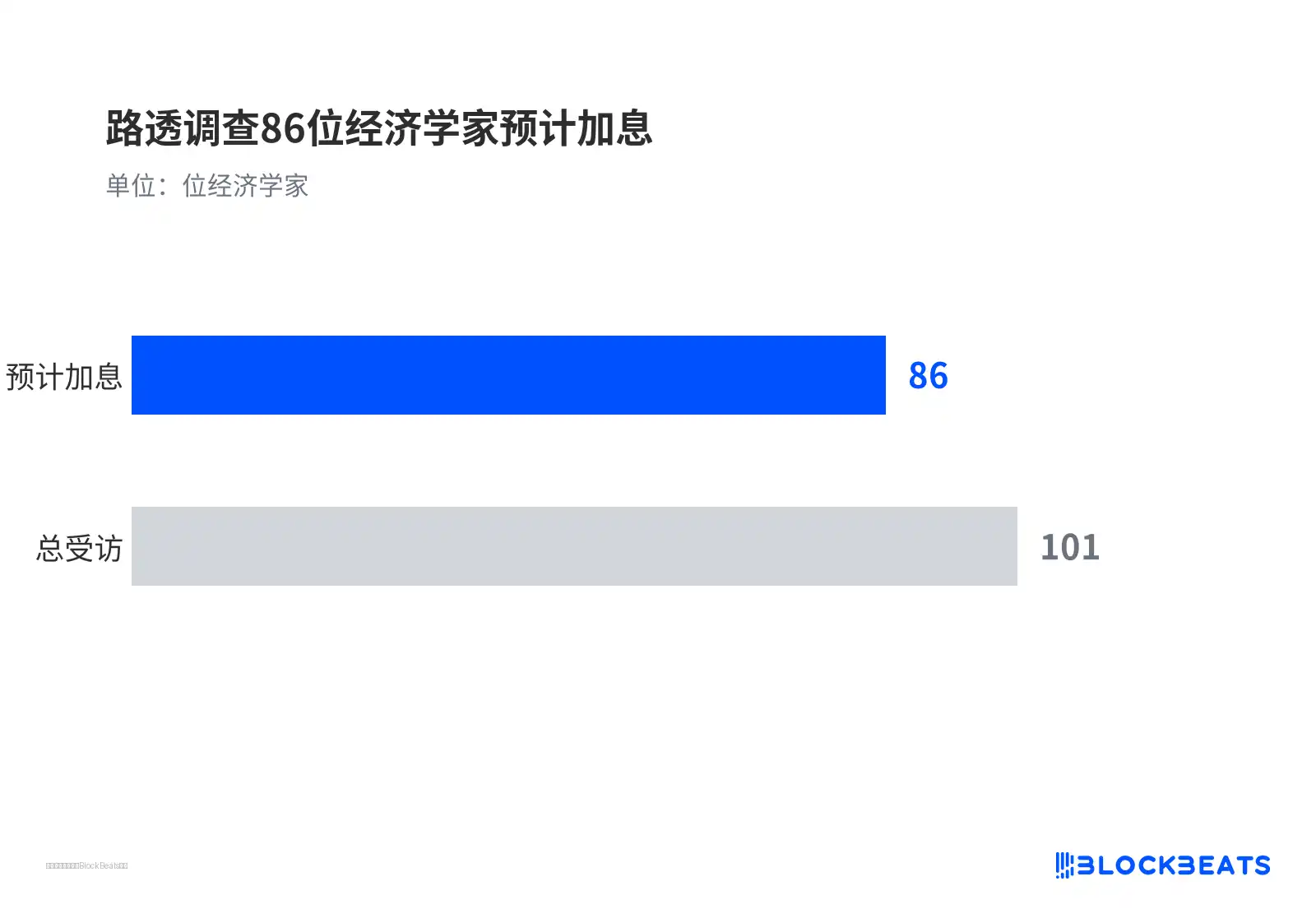
A Reuters survey of 101 economists found that 86 expect a 25 basis-point increase at this meeting. Some respondents also expect at least one more hike before the first quarter of next year. Goldman Sachs and JPMorgan changed their calls after the data, moving from no-change forecasts to expecting a rate increase. The report notes that a simultaneous turn by market pricing, bank forecasts, and economist surveys has been unusual over the past two years.
Fed independence is part of the test
The issue at this meeting is not only whether rates go up. The bigger question is how Warsh answers a sharper one: whether his decisions are driven by incoming data or by the White House.
Warsh served as a Federal Reserve governor from 2006 to 2011. He was nominated by Trump in January 2026 and confirmed in May by a 54-45 Senate vote. According to the report, Trump told him at the time to “do your own thing.” Markets are now testing what that statement is worth.
The mechanism of the conflict is straightforward in the report’s telling. Trump wants lower rates to support growth and the midterm elections. Warsh has said he needs evidence that inflation is moving down before backing away from a restrictive stance. If he follows the 87% market pricing and raises rates at his first meeting, that would signal the nomination did not come with a policy promise. If he stays on hold, investors would quickly question the credibility of his hawkish rhetoric.
The report also notes that, in legal terms, the president cannot directly command the Fed on rate decisions. Public pressure and personnel nominations are the tools available to the White House. Some Democratic senators had already questioned whether Warsh could become a White House “puppet,” giving this first meeting extra significance as a credibility test.
After the decision, traders will look to the dot plot and price action
A rate increase does not automatically mean risk assets fall on impact, but higher discount rates tend to hit the most richly valued assets first.
For crypto markets, higher real rates squeeze both liquidity and risk appetite. The report says bitcoin and ether have been especially sensitive to rate expectations in this cycle.
U.S. equities present a more complicated picture. The report says strategists at Goldman Sachs and Morgan Stanley believe corporate earnings can still support the indexes, but yields above 5% create valuation pressure on their own. That leaves institutions split between the view that earnings can absorb the hit and the view that rates are simply too high. The article adds that these remain assumptions, not established outcomes.
The first hard signal after the meeting will be the dot plot, the anonymous rate-path projections submitted by individual committee members. If it points to more hikes in 2027, the market’s terminal-rate pricing could move higher again. If it suggests this is a one-off move, that would indicate the committee is still waiting for more evidence. Discussion before the meeting about how deep any internal split might be remains speculation for now, according to the report.
The White House message is another variable. If the line that the president is “not happy” but respects Fed independence remains in place, markets may keep treating it as public rhetoric rather than direct policy interference.
Price action across assets will then show whether the 87% probability was fully absorbed. If bitcoin and the S&P 500 post only limited declines after a hike, that would suggest the move had already been priced in. If volatility is sharp instead, the report says some positioning adjustments may still be unfinished and pricing could swing back.