
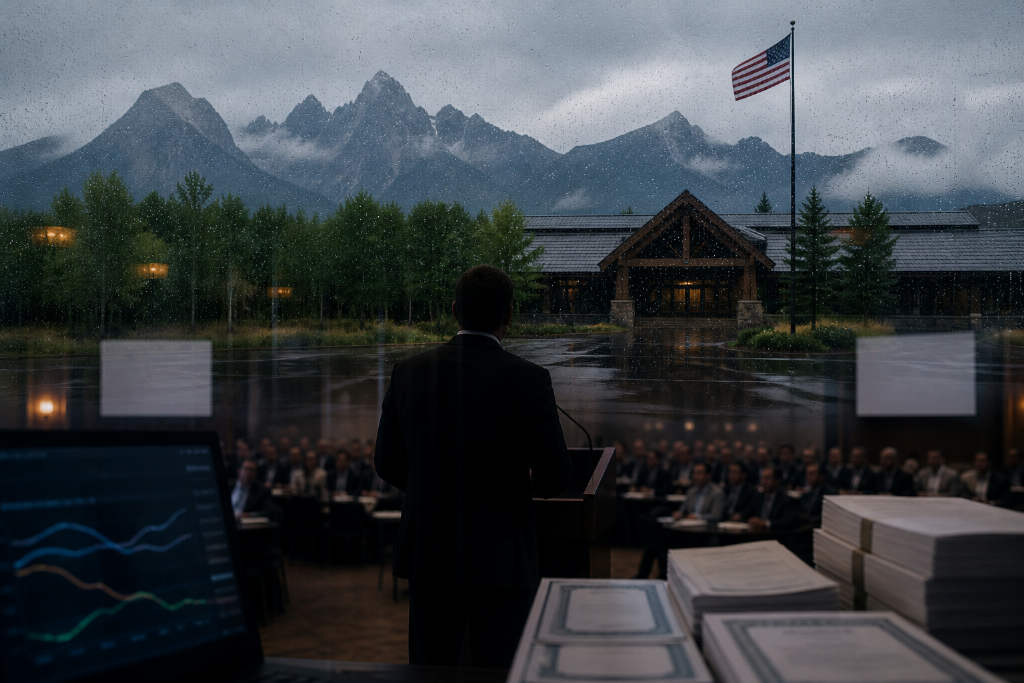
Markets are closely watching Federal Reserve Chair Kevin Warsh ahead of his speech at the Jackson Hole symposium on Friday.
With yields on long-dated U.S. Treasuries continuing to climb, the market broadly expects Warsh may lean dovish in an effort to ease bond-market concerns over inflation and fiscal risk.
Investors want a concrete inflation response
Mark Cabana, head of U.S. rates strategy at Bank of America, said markets have gradually become less sensitive to Warsh’s earlier verbal emphasis on fighting inflation. Investors, he said, are now looking for a tangible policy path to address inflation rather than statements alone.
Treasury-Fed policy coordination is under scrutiny
At the same time, Treasury Secretary Bessent has recently increased buybacks of long-term Treasuries and funded government needs through greater issuance of short-term debt, a combination that the report said shows a degree of disagreement between the Treasury and the Federal Reserve over bond-market management.
According to the report, shifting financing pressure to the short end effectively places U.S. fiscal costs on a bet that rates will fall in the future. If Warsh can help pave the way for rate cuts by controlling inflation and raising productivity, a short-term debt funding model could reduce government interest costs. If long-term yields stay elevated, however, fiscal pressure on the United States could intensify.
Balance-sheet policy is also in view
Markets also expect the Federal Reserve could make adjustments to liquidity management and balance-sheet policy.
Michael Cloherty, head of U.S. rates strategy at CIBC, said quantitative tightening could begin as early as late 2027, provided regulatory changes reduce banks’ need for reserves. The Federal Reserve currently still holds about $1.6 trillion in long-term Treasuries.
Warsh’s remarks at Jackson Hole on long-term yields, inflation and the path of balance-sheet runoff may become an important signal for judging how closely the Federal Reserve and the Treasury will coordinate policy going forward.