
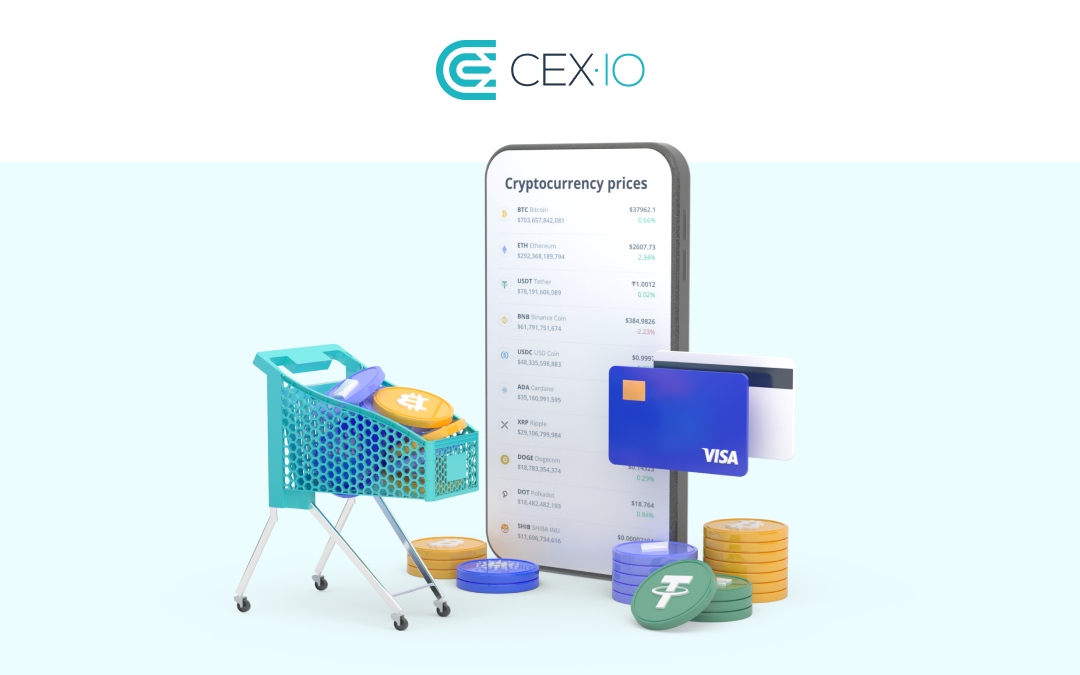
The spot market is the most commonly used trading venue in cryptocurrency. In this market, assets like Bitcoin or Ethereum are exchanged for immediate delivery: you pay fiat or stablecoins and instantly receive the corresponding amount of tokens. This contrasts with futures or forward markets, where contracts are traded — promises to deliver the underlying asset at a specified future date — rather than the asset itself.
Spot Price: Real-Time Market Consensus
The live price displayed on an exchange screen is the spot price, representing the actual price at which you can buy or sell an asset right now. In large, liquid markets with high trading volume, thousands of participants submit buy and sell orders simultaneously, causing the price to change in milliseconds. When buy orders outnumber sell orders, demand exceeds supply and prices tend to rise; the opposite pushes prices down.
24/7 Availability: A Unique Crypto Advantage
Traditional financial markets (stocks, bonds, commodities) operate only during business hours in their respective jurisdictions. Cryptocurrency spot markets, however, are global and location‑agnostic, running 24 hours a day, 7 days a week. You can deposit funds, place orders, or withdraw tokens at any time, even in the middle of the night.
Benefits and Common Misconceptions
The primary advantage of the spot market is immediate ownership of the asset — purchased crypto is sent directly to your trading account balance. For physical goods, spot delivery can involve logistics and storage costs, but since cryptocurrencies exist only in the digital realm, settlement is merely a book entry or on‑chain transfer. Liquidity in spot markets is typically the deepest and most active, resulting in low slippage even for large trades.
Note that spot trading does not involve leverage or margin; gains and losses are purely a function of price differences. As with any digital asset investment, you should conduct your own research (DYOR) and assess your risk tolerance.