
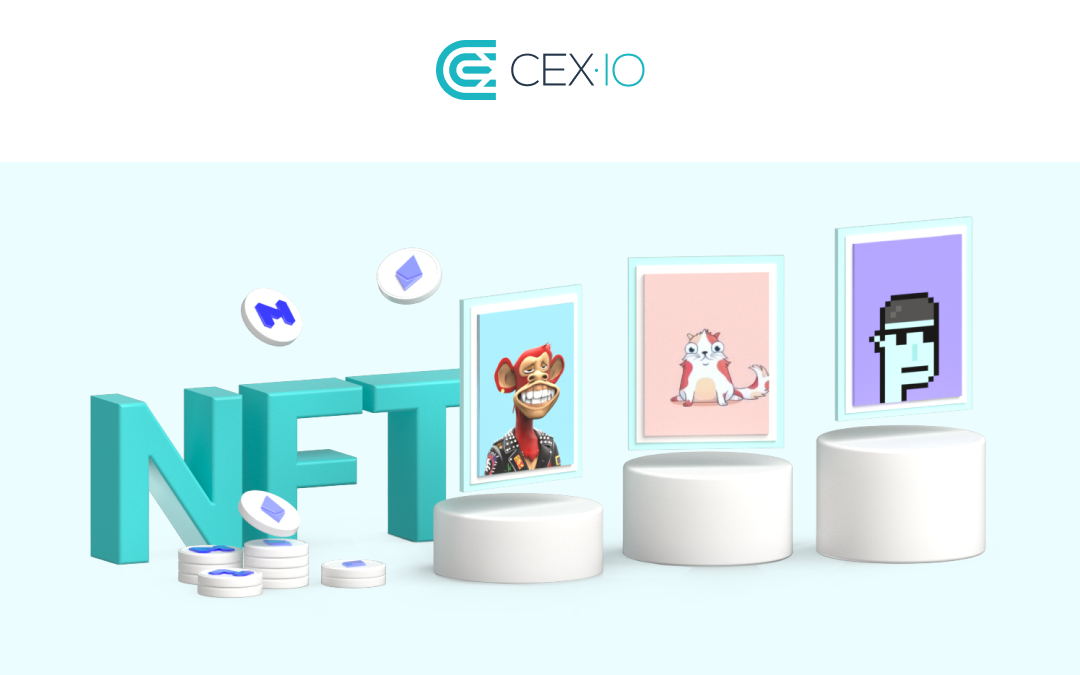
Non-fungible tokens, or NFTs, are crypto assets in which each token is unique. That sets them apart from fungible assets such as dollars or Bitcoin, where one unit is interchangeable with another of the same value. In practice, NFTs are often used as digital certificates that verify ownership of a specific digital item.
Why “non-fungible” matters
Fungibility means an asset can be swapped on a like-for-like basis because units carry the same value. Bitcoin fits that model. NFTs do not. Each token has distinct properties, so it cannot be exchanged as if it were identical to another token. The source compares this to concert tickets: two tickets may have the same price, but different seats and dates make them separate items.
That characteristic allows NFTs to represent recordings, artworks, virtual real estate, and even virtual pets. What the buyer receives is not always a physical object. Often it is a blockchain-based record tied to the asset.
The token standards behind NFTs
Many crypto users first encounter token standards through ERC-20, which is designed for fungible tokens on Ethereum. NFTs are mostly issued through ERC-721 and ERC-1155. These standards let creators use smart contracts to mint unique crypto assets. Every NFT is stored on a blockchain, which keeps a history of that token’s creation, sale, and resale.
That record is a core part of the appeal. An NFT is not merely an image file or a video clip. It functions more like a publicly verifiable certificate of authenticity that can be traced on-chain.
How Beeple sales pushed NFTs into public view
One of the best-known examples in the source is Beeple. In February 2021, a 10-second video sold for $6.6 million. Around the same time, Christie’s offered a collage made up of 5,000 digital works by Mike Winkelmann, better known as Beeple. The work opened at just $100 and sold for $69 million on March 11.
The price was only part of the story. Buyers did not receive a framed physical artwork or another tangible version of the piece. They received an NFT certifying that their edition was authentic. That shifted attention from whether digital media can be copied to how originality can be verified.
Public blockchains and resale royalties
NFTs are described in the source as digital certificates of authenticity. Examples include virtual land in Decentraland, a tweet by Mark Cuban, the original Nyan Cat meme, video art by Grimes, clips and music from EDM artists such as Deadmau5, and NBA virtual trading cards.
These tokens are typically stored on open blockchains, usually Ethereum. Anyone can track when they were created, sold, and resold. Smart contracts can also be structured so that the original artist keeps a share of every later sale. That changes the economics of secondary-market trading.
Why copied digital media can still carry value
NFTs also raise a basic question: if digital files can be copied endlessly, where does value come from? Supporters argue that collecting has never depended only on the raw material. Comic books are made from low-cost paper and ink. Rare sneakers may use the same materials as ordinary pairs. Paintings are not valued by canvas and pigment alone.
The source cites a Beeple collector who said that anyone can take a photo of the Mona Lisa, but the photo is just a copy. It lacks the history and status of the original. The same logic is applied to NFTs: value is attached not to any copy of a file, but to the original on-chain record connected to the creator and its ownership history.
What people do with NFTs
Some owners display digital art on large monitors. Others buy virtual real estate and build museums or galleries in digital worlds. Platforms such as Decentraland also let users view collections held by other participants. For many buyers, though, trading is still the main attraction. The source notes that the collector who later sold a Beeple work for $6.9 million had bought it in October 2020 for just $70,000.
Mainstream artists have also entered the segment, especially in music. The source points to Kings of Leon, which announced that its next album would be released in multiple NFT formats. Depending on the NFT, buyers could unlock perks such as limited-edition vinyl, alternate cover art, or a golden ticket to a VIP concert.