
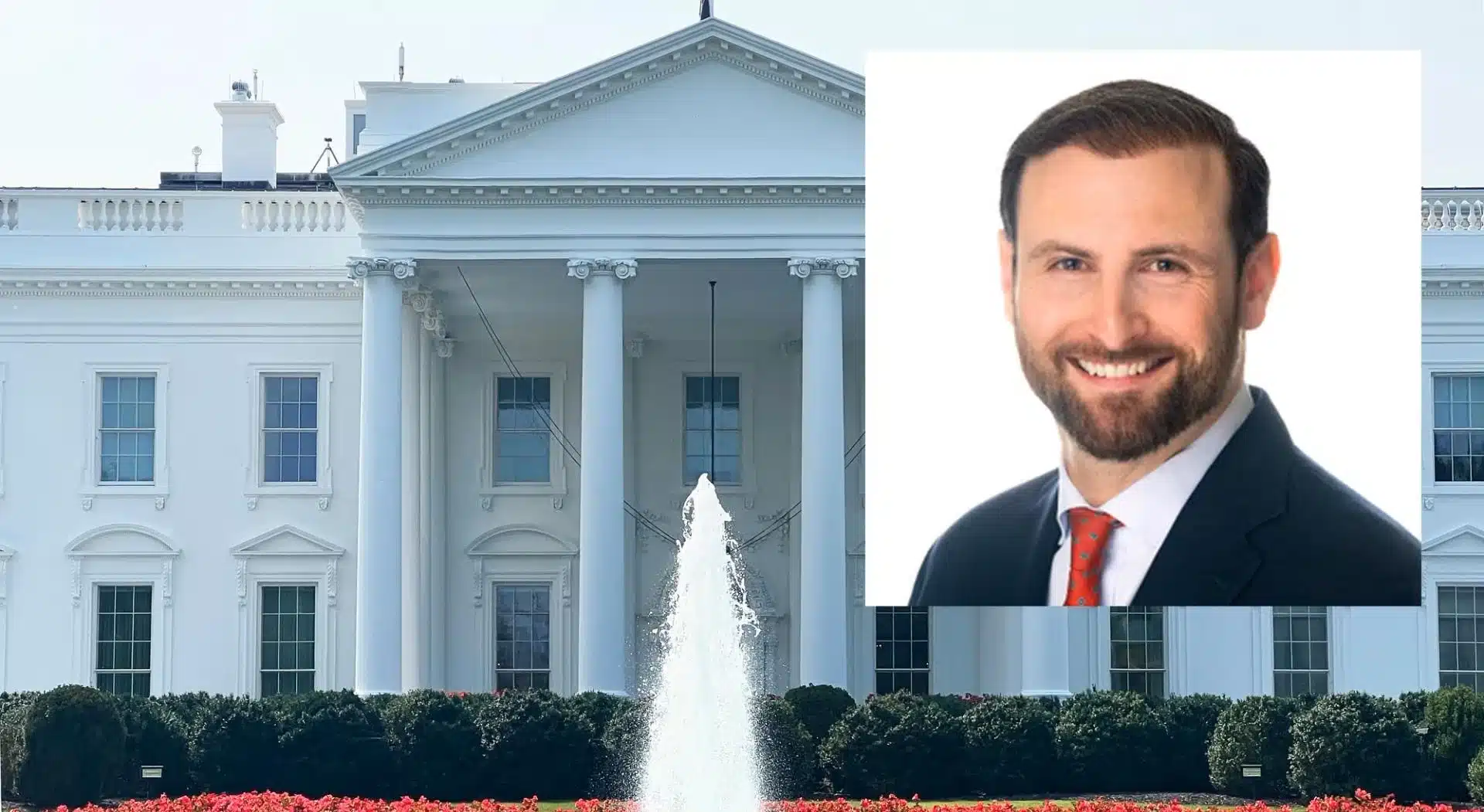
Patrick Witt, executive director of the President’s Council of Advisors for Digital Assets, said the United States is running short on time to advance its crypto market structure bill. In a post on X, he aligned himself with Coinbase CEO Brian Armstrong’s position that “no bill is better than a bad bill,” while arguing that delay carries its own risk if the current pro-crypto political window closes.
Witt said passing legislation now matters not only because the industry wants clearer rules, but because a later bill could be much stricter. He warned that if Congress fails to act and a financial crisis reshapes the political mood, Democrats could pursue punitive crypto legislation, drawing a comparison to the tougher regulatory response that followed the Dodd-Frank era.
Coinbase objections push the bill off its expected track
The latest slowdown has been driven by disagreement over the bill’s wording. Coinbase, which had been one of the notable supporters of the measure, withdrew its support after raising concerns that some provisions could narrow important parts of the crypto market. The company pointed to issues involving tokenized equities, DeFi privacy, and stablecoin yield.
Those objections helped delay the Senate Banking Committee’s markup hearing, even though the bill had earlier been seen as a candidate for faster movement through Congress. Coinbase has not stepped away from the process entirely. Armstrong said he plans to meet bank executives at the World Economic Forum in Davos to discuss the stablecoin yield issue, a point U.S. banks strongly oppose.
Jurisdiction fight between the CFTC and SEC remains central
Witt framed the bill as a way to resolve one of the most persistent problems in U.S. crypto policy: uncertainty over whether the Commodity Futures Trading Commission or the Securities and Exchange Commission has authority over specific digital assets. That split has left companies operating without a clear map of which regulator controls what.
For backers of the legislation, that ambiguity is the core problem. A market structure bill could establish a clearer legal framework and give firms more certainty as they develop products tied to digital assets. Critics of the current draft are focused on the opposite risk: language that is too restrictive could cut into areas of activity the industry sees as important to its future.
Attention turns to the Jan. 27 Senate Agriculture Committee hearing
The next major checkpoint is the Senate Agriculture Committee’s markup hearing scheduled for Jan. 27. The bill is still being negotiated, and the unresolved disputes show that consensus has not been reached. Witt’s comments make clear that, from the White House advisory side, timing now matters almost as much as substance. The industry is waiting to see whether lawmakers can produce a framework for digital assets before the current opening in Washington narrows.