
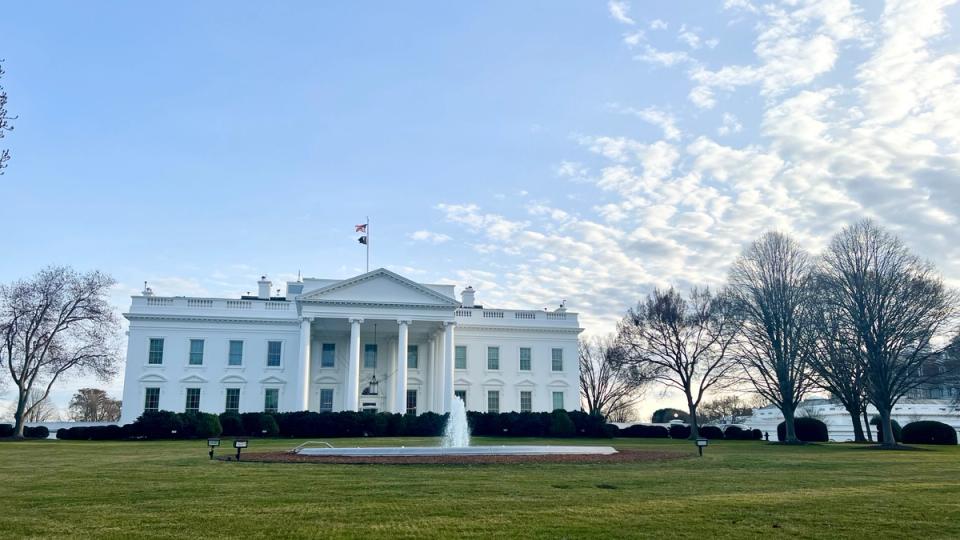
White House Steps In: Bridging Law Enforcement and Crypto Industry Divides
According to CoinDesk, the White House is expected to hold talks with representatives of law enforcement agencies who oppose parts of the CLARITY Act, in an effort to harmonize positions on combating illicit finance. The core dispute centers on Section 604, which provides regulatory clarity for blockchain developers by ensuring that software developers who do not control the relevant tools are not classified as money transmitters. This provision is seen as essential to the continued development of decentralized finance (DeFi) projects.
However, the National Sheriffs' Association and other law enforcement groups have previously written to Senate Banking Committee leadership, opposing any blanket exemption for mixers, crypto tumblers, and DeFi protocols. White House chief crypto advisor Patrick Witt has already held multiple meetings with opponents—including law enforcement officials and Wall Street bankers—to push the legislation forward in the Senate. The White House has not yet commented on the upcoming meeting.
Legislative Crossroads: 60-Vote Threshold and Lingering Controversies
Industry groups such as the Blockchain Association have defended the bill's anti-crime provisions, arguing that it adds new tools to combat illegal behavior. Meanwhile, Senator Elizabeth Warren and other political opponents continue to criticize the bill's approach to illicit finance. Senate Majority Leader John Thune stated that he is considering bringing the bill to a full floor vote in the coming weeks, while Senate Banking Committee Chairman Tim Scott posted on X that the Senate "should vote on crypto market structure legislation in July."
Passing the CLARITY Act in the Senate requires 60 votes, and discussions remain active on several fronts: the BRCA (Blockchain Regulatory Clarity Act) provisions, Commodity Futures Trading Commission (CFTC) staffing levels, and ethics rules that would prohibit senior government officials from holding cryptocurrency interests. The outcome of the White House-mediated talks could be pivotal in determining the bill's fate.